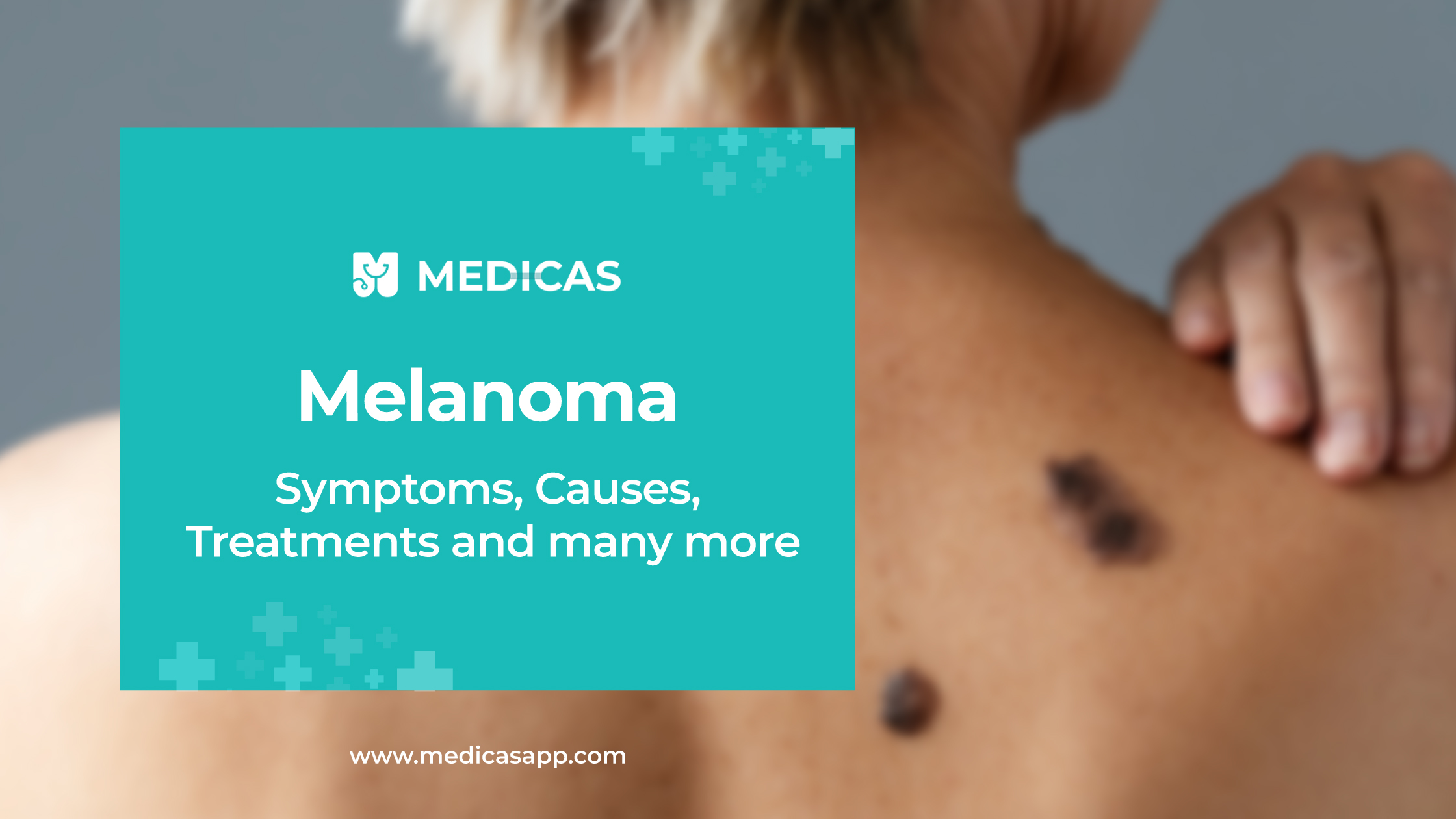
Melanoma, the most serious type of skin cancer, develops when melanocytes (the cells that produce melanin, which gives skin its color) become cancerous. While less common than basal cell carcinoma and squamous cell carcinoma, melanoma is more dangerous because it’s much more likely to spread to other parts of the body if not caught and treated early. Understanding melanoma, its risk factors, and prevention strategies are crucial for maintaining skin health. Early detection is key, so don’t delay.
Table of Contents
Common Symptoms of Melanoma
Melanoma can appear anywhere on the body, but it’s most common in areas that have had high sun exposure, such as the back, legs, arms, and face. However, it can also occur in areas that don’t receive much sun exposure, such as the soles of your feet, palms, and fingernail beds. It’s important to be familiar with your skin so that you notice any changes. Common signs and symptoms include:
- A change in an existing mole
- The development of a new pigmented or unusual-looking growth
- A mole that bleeds, itches, or becomes painful
- A sore that doesn’t heal
The “ABCDE” rule is a helpful guide for identifying potential melanomas:
- Asymmetry: One half of the mole does not match the other half.
- Border: The edges of the mole are irregular, blurred, or notched.
- Color: The mole has uneven colors or shades of brown, black, or tan, and sometimes patches of red, white, or blue.
- Diameter: The mole is usually larger than 6 millimeters (about 1/4 inch) in diameter, although melanomas can sometimes be smaller.
- Evolving: The mole is changing in size, shape, or color.
Major Causes of Melanoma
The exact cause of melanoma isn’t clear, but exposure to ultraviolet (UV) radiation from sunlight or tanning beds increases your risk of developing melanoma. UV radiation can damage the DNA of skin cells, leading to mutations that can cause cancer. However, melanoma can also develop in areas of your body that aren’t exposed to sunlight. This indicates that other factors may be involved, such as:
- Genetics: A family history of melanoma increases your risk.
- Moles: Having many moles or unusual moles (dysplastic nevi) increases your risk.
- Fair skin: Having fair skin, freckles, and light hair increases your risk.
- Weakened immune system: A weakened immune system, such as from HIV/AIDS or certain medications, increases your risk.
Ever wonder why some folks seem to tan effortlessly while others just burn? Genetics play a massive role in how our skin reacts to the sun! Knowing your family history can be a game changer.
Risks of Melanoma
The risk of melanoma varies depending on several factors. Understanding these risks can help you take proactive steps to protect yourself. Here’s a breakdown of melanoma risks:
- UV Exposure: Prolonged and intense exposure to UV radiation is a major risk factor. This includes sunlight and artificial sources like tanning beds.
- Moles: People with numerous moles (more than 50) or atypical moles (dysplastic nevi) have a higher risk.
- Family History: A family history of melanoma significantly increases your risk, suggesting a genetic component.
- Skin Type: Fair-skinned individuals with light hair and eyes are more susceptible to UV damage and melanoma.
- Weakened Immune System: Conditions or medications that suppress the immune system can increase the risk of melanoma.
- Age: While melanoma can occur at any age, the risk increases with age.
Melanoma Stages and Associated Risks
| Stage | Description | Risk Level |
|---|---|---|
| Stage 0 (In Situ) | Melanoma cells are only in the epidermis (outer layer of skin) and have not spread. | Very Low |
| Stage I | Melanoma is localized in the skin and is less than 2 mm thick. | Low to Moderate |
| Stage II | Melanoma is thicker and may have high-risk features but has not spread to nearby lymph nodes. | Moderate to High |
| Stage III | Melanoma has spread to nearby lymph nodes. | High |
| Stage IV | Melanoma has spread to distant organs, such as the lungs, liver, or brain. | Very High |
Understanding these stages and risks is essential for early detection and treatment. Regular skin exams and awareness of your risk factors are crucial.
Diagnosis of Melanoma
Diagnosing melanoma typically involves a combination of physical examination, skin biopsy, and imaging tests. Here’s a detailed look at the diagnostic process:
- Physical Exam: A dermatologist will examine your skin, noting the size, shape, color, and texture of any suspicious moles or lesions. The ABCDE criteria are often used during this exam.
- Skin Biopsy: If a mole or lesion appears suspicious, a biopsy is performed. This involves removing all or part of the growth and examining it under a microscope. There are several types of biopsies, including:
- Excisional Biopsy: The entire mole or lesion is removed.
- Incisional Biopsy: A small sample of the mole or lesion is removed.
- Punch Biopsy: A circular tool is used to remove a small, deep sample of skin.
- Shave Biopsy: A razor-like tool is used to shave off the top layer of the skin.
- Lymph Node Biopsy: If melanoma is diagnosed, a lymph node biopsy may be performed to see if the cancer has spread. This may involve a sentinel lymph node biopsy, where the first lymph node to which the cancer is likely to spread is removed and examined.
- Imaging Tests: If there is a concern that the melanoma has spread, imaging tests such as X-rays, CT scans, MRI scans, and PET scans may be used to look for tumors in other parts of the body.
Early and accurate diagnosis is critical for effective treatment and improved outcomes. Book Lab Test today if you notice any suspicious changes in your skin.
Prevention of Melanoma
Preventing melanoma involves minimizing your exposure to UV radiation and practicing good skin care habits. Here are some key prevention strategies:
- Seek Shade: Limit your time in the sun, especially between 10 a.m. and 4 p.m., when UV rays are strongest.
- Wear Sunscreen: Use a broad-spectrum sunscreen with an SPF of 30 or higher. Apply it generously and reapply every two hours, or more often if you’re swimming or sweating.
- Wear Protective Clothing: Cover your skin with long sleeves, pants, and a wide-brimmed hat when possible.
- Avoid Tanning Beds: Tanning beds emit UV radiation that can damage your skin and increase your risk of melanoma.
- Perform Regular Skin Exams: Check your skin regularly for new or changing moles or lesions. Use a mirror to check hard-to-see areas, or ask a family member or friend to help.
- See a Dermatologist: Have regular skin exams by a dermatologist, especially if you have a family history of melanoma or numerous moles.
Taking these steps can significantly reduce your risk of developing melanoma. Remember, prevention is always better than cure!
Common Treatment Options for Melanoma
Treatment options for melanoma depend on the stage of the cancer, its location, and your overall health. Common treatments include:
Lifestyle Modifications
While not a direct treatment, certain lifestyle modifications can support overall health during melanoma treatment:
- Healthy Diet: Eating a balanced diet rich in fruits, vegetables, and whole grains can help boost your immune system.
- Regular Exercise: Staying active can improve your energy levels and overall well-being.
- Stress Management: Practicing relaxation techniques such as yoga, meditation, or deep breathing can help manage stress and improve your quality of life.
- Avoid Smoking and Alcohol: These substances can weaken your immune system and interfere with treatment.
Medications for Melanoma
Medications play a crucial role in treating melanoma, especially in advanced stages:
- Surgery: Surgical removal of the melanoma is the primary treatment for early-stage melanoma. A wide excision (removing a margin of normal skin around the melanoma) is often performed to ensure all cancer cells are removed.
- Immunotherapy: These drugs help your immune system recognize and attack cancer cells. Common immunotherapy drugs include checkpoint inhibitors such as pembrolizumab, nivolumab, and ipilimumab.
- Targeted Therapy: These drugs target specific molecules (such as BRAF or MEK proteins) that are involved in the growth and spread of melanoma. Targeted therapies are often used in patients with advanced melanoma who have specific genetic mutations.
- Chemotherapy: Chemotherapy drugs kill cancer cells throughout the body. Chemotherapy is less commonly used in melanoma treatment but may be an option for patients who don’t respond to other treatments.
- Radiation Therapy: Radiation therapy uses high-energy beams to kill cancer cells. It may be used to treat melanoma that has spread to other parts of the body or to relieve symptoms.
Your doctor will work with you to develop a treatment plan that’s tailored to your specific needs. Remember to discuss any concerns or side effects with your healthcare team. You can consult a Doctor within minutes with Medicas Instant Doctor Consultation.
When to See the Doctor for Melanoma
It’s crucial to see a doctor if you notice any changes to your skin, especially if you observe any of the ABCDEs of melanoma. Additionally, consult a dermatologist if you have:
- A new mole or growth
- A mole that changes in size, shape, or color
- A mole that bleeds, itches, or becomes painful
- A sore that doesn’t heal
Early detection and treatment are key to improving outcomes for melanoma. Don’t hesitate to seek medical attention if you have any concerns about your skin. It’s always better to be safe than sorry! For peace of mind, consider an Online Doctor Consultation to discuss your concerns.
Things to Consider During Treatment/Procedure of Melanoma
Undergoing melanoma treatment can be a challenging experience. Here are some important considerations to keep in mind:
- Treatment Side Effects: Be aware of potential side effects of your treatment and discuss them with your doctor. They can provide strategies to manage side effects and improve your comfort.
- Emotional Support: Seek emotional support from family, friends, or a support group. Dealing with cancer can be emotionally taxing, and having a strong support system can make a big difference.
- Financial Considerations: Cancer treatment can be expensive. Understand your insurance coverage and explore financial assistance options if needed.
- Follow-Up Care: After treatment, it’s important to have regular follow-up appointments with your doctor to monitor for recurrence and manage any long-term side effects.
- Lifestyle Adjustments: Make necessary lifestyle adjustments to support your overall health during treatment, such as eating a healthy diet, staying active, and managing stress.
Being informed and prepared can help you navigate the treatment process with greater confidence and ease.
Disclaimer
The Medicas Health Library provides general health information for educational purposes only. It is not a substitute for professional medical advice, diagnosis, or treatment. Always seek the guidance of a qualified healthcare provider with any questions you may have regarding a medical condition or treatment. While we strive to keep content accurate and up to date, medical knowledge is constantly evolving, and individual circumstances may vary. Medicas does not assume responsibility for decisions made based on this information.
Frequently Asked Questions (FAQs)
-
What is the most common type of skin cancer?
Basal cell carcinoma is the most common type of skin cancer, followed by squamous cell carcinoma. Melanoma is less common but more dangerous.
-
Can melanoma be cured?
Yes, melanoma is highly curable when detected and treated early. The prognosis is less favorable for advanced-stage melanoma.
-
Is melanoma contagious?
No, melanoma is not contagious. It cannot be spread from person to person.
-
What is the survival rate for melanoma?
The 5-year survival rate for localized melanoma is about 99%. For melanoma that has spread to nearby lymph nodes, the 5-year survival rate is about 65%. For melanoma that has spread to distant organs, the 5-year survival rate is about 25%.
-
Can melanoma appear under fingernails or toenails?
Yes, melanoma can occur under the nails, known as subungual melanoma. It often appears as a dark streak in the nail.
-
Does sunscreen prevent melanoma?
Sunscreen helps reduce the risk of melanoma by protecting your skin from UV radiation. However, it’s important to use sunscreen correctly and combine it with other sun protection measures, such as seeking shade and wearing protective clothing.
-
Is it safe to get a mole removed for cosmetic reasons?
Yes, it is generally safe to get a mole removed for cosmetic reasons. However, it’s important to have the mole examined by a dermatologist first to ensure it’s not cancerous.
-
How often should I get a skin exam?
The frequency of skin exams depends on your risk factors. People with a family history of melanoma or numerous moles should have annual skin exams by a dermatologist. Others should perform regular self-exams and see a dermatologist if they notice any changes.
-
What is the difference between a typical mole and melanoma?
Typical moles are usually small, round, and have well-defined borders. Melanomas are often asymmetrical, have irregular borders, uneven colors, and may change in size or shape.
-
Can melanoma be caused by a single severe sunburn?
While a single severe sunburn can increase your risk, melanoma is usually the result of cumulative UV exposure over time.
-
Are there any new treatments for melanoma?
Yes, there have been significant advances in melanoma treatment in recent years, including the development of new immunotherapy and targeted therapy drugs.
-
What is the role of genetics in melanoma?
Genetics play a significant role in melanoma. People with a family history of melanoma have a higher risk of developing the disease.
-
What are the long-term effects of melanoma treatment?
The long-term effects of melanoma treatment vary depending on the type of treatment and the stage of the cancer. Some people may experience fatigue, skin changes, or other side effects.
-
Can melanoma recur after treatment?
Yes, melanoma can recur after treatment. Regular follow-up appointments with your doctor are important to monitor for recurrence.
-
What support resources are available for people with melanoma?
There are many support resources available for people with melanoma, including support groups, online forums, and counseling services.