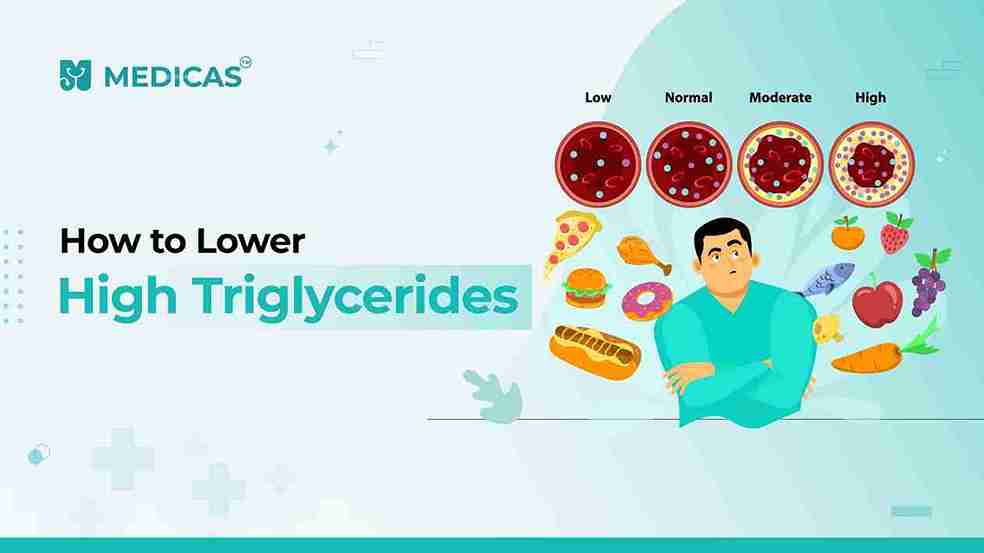
High triglycerides are more than just a “bad report” on your blood test. They are a warning sign that your heart, liver and metabolism may be under stress. Triglycerides are a type of fat in your blood, and when levels remain high for a long time, your risk of heart disease, stroke and pancreatitis increases significantly. The good news is that with the right high triglycerides treatment, including lifestyle changes and medicines where needed, most people can bring their levels under control.
As a doctor, I often see patients who believe only cholesterol matters, and they ignore triglycerides until they are very high. This article will help you understand what triglycerides are, why they rise, symptoms to watch for, and what is the best treatment for high triglycerides depending on your profile. We will also discuss options like ayurvedic treatment for high triglycerides, high triglycerides homeopathy treatment, and when to seek personalised advice.
What Are Triglycerides and Why Do They Matter
Triglycerides are a type of fat that your body uses for energy. After you eat, your body converts calories it does not immediately need into triglycerides, which are stored in fat cells. Later, hormones release these triglycerides for energy between meals.
Triglycerides matter because:
- Very high levels can cause inflammation of the pancreas
- High levels are linked to heart disease and stroke
- They often accompany other conditions like diabetes and obesity
- They can indicate that your diet or metabolism needs attention
When we talk about high triglycerides treatment, we are really talking about protecting your heart, blood vessels and pancreas from long term damage.
Causes of High Triglyceride Levels
High triglycerides usually develop over time, influenced by lifestyle, diet and underlying medical conditions. Understanding the cause is essential because that guides the most effective high blood triglycerides treatment.
Common causes include:
- Eating excessive refined carbohydrates and sugary foods
- High intake of alcohol
- Obesity or overweight
- Uncontrolled diabetes
- Hypothyroidism
- Kidney or liver disease
- Certain medicines such as steroids or some blood pressure drugs
- Genetic factors such as familial hypertriglyceridemia
If your report shows high serum triglycerides treatment should begin with identifying which of these factors apply to you. A detailed consultation and lab evaluation can help. If you have not done blood tests recently, you can Book Lab Test through Medicas to check your lipid profile, blood sugar and other relevant markers.
Symptoms and Health Risks of High Triglycerides
Most people with high triglycerides have no clear symptoms. The problem is usually discovered during routine blood tests. However, when levels become very high, especially in very high triglycerides treatment settings, symptoms and complications can appear.
Possible symptoms and risks include:
- Pain in the upper abdomen due to pancreatitis
- Nausea and vomiting
- Sudden severe abdominal pain
- Eruptive xanthomas, which are small yellowish bumps on the skin
- Increased risk of heart attack and stroke
- Higher chance of fatty liver disease
Because symptoms often appear late, regular screening is important. If you already have diabetes, obesity, high blood pressure or a history of heart disease, you should discuss testing frequency with your doctor through Online Doctor Consultation or Book Appointment with a doctor near you for an in person review.
Diagnosis: How Are High Triglycerides Detected
High triglycerides are detected through a blood test called a lipid profile. This test measures:
- Total cholesterol
- LDL cholesterol
- HDL cholesterol
- Triglycerides
In some cases, non fasting tests are used, but fasting levels give more accurate information when planning high triglycerides treatment. Your doctor may also check:
- Blood sugar and HbA1c
- Thyroid function
- Liver and kidney function
These additional tests help identify whether you need treatment for high cholesterol and triglycerides together and whether secondary causes like thyroid or liver problems are present.
Best Medical Treatments for High Triglycerides
What is the best treatment for high triglycerides depends on how high your levels are, your age, other risk factors and whether you already have heart disease or diabetes.
Medical treatment options include:
- Statins, especially if you also have high LDL and triglycerides
- Fibrates, which directly reduce triglyceride levels
- Prescription omega 3 fatty acids
- Niacin in selected cases
- Strict lifestyle modification along with medicines
If your LDL cholesterol is also high, your doctor may focus on high ldl and triglycerides treatment together, often starting with a statin. When triglycerides are very high, such as above 500 mg/dL, the priority is very high triglycerides treatment to reduce the risk of pancreatitis.
Your treatment plan may combine:
- Treatment for high cholesterol and triglycerides
- High serum triglycerides treatment using medicines and diet changes
- Monitoring of blood tests every few months
You can discuss these options with a doctor or you can also consult me directly via Medicas for a full risk assessment.
Ayurvedic Treatment for High Triglycerides
Many people search for ayurvedic treatment for high triglycerides because Ayurveda focuses on improving digestion and overall metabolic balance. While some individuals may choose to explore Ayurvedic options such as dietary herbs, spices or traditional formulations, it is important to understand that scientific evidence for their effectiveness in significantly lowering triglycerides is still limited.
From an allopathic standpoint, Ayurveda can sometimes be used as a supportive lifestyle approach, but it should not replace medically proven treatments, especially in people who have very high triglycerides or those who are at risk of heart disease or pancreatitis. If you choose to explore Ayurveda, ensure that you do so only after a recommendation from your physician and continue regular monitoring of your lipid profile and stay under the guidance of your primary physician even during treatments.
Homeopathy Treatment for High Triglycerides
High triglycerides homeopathy treatment is another area where patients often express interest. Homeopathy takes a holistic approach, focusing on individual symptoms and emotional patterns. However, from a medical and scientific perspective, there is not enough clinical evidence to support homeopathy as a primary treatment for high triglycerides.
If someone wishes to use homeopathy, it should be viewed as a complementary practice rather than a substitute for medical therapy. For individuals with high LDL and triglycerides, very high triglycerides or metabolic risk factors, delaying evidence based treatment can be harmful. It is important to follow your doctor’s recommended high triglycerides treatment plan and use homeopathy only as an optional add on, if you choose to do so, after discussing safety and interactions with your healthcare provider.
Dietary and Lifestyle Changes for Managing Triglycerides
For most people, lifestyle measures are the foundation of low cholesterol high triglycerides treatment. Even when medicines are needed, diet and activity changes remain crucial.
Key dietary strategies include:
- Reducing refined carbohydrates such as white rice, white bread, sweets and sugary drinks
- Limiting alcohol intake or avoiding it completely
- Choosing healthy fats from nuts, seeds, olive oil and fatty fish
- Increasing fibre intake through vegetables, fruits and whole grains
- Avoiding trans fats found in packaged snacks and fast food
- Controlling portion sizes and overall calorie intake
Important lifestyle steps include:
- Walking at least 30 to 45 minutes most days of the week
- Including strength training two to three times a week
- Achieving gradual and sustained weight loss if overweight
- Getting enough sleep and managing stress levels
Many patients ask if walking alone is enough. Walking is very helpful, and regular physical activity can significantly reduce triglyceride levels over time. However, for some people, especially in very high triglycerides treatment situations, walking must be combined with diet changes and medicines for best results.
If you are unsure how to structure your diet and exercise plan, you can Book appointment with a nutritionist to get a practical, personalised plan.
When to Seek Medical Help
You should seek medical attention for high triglycerides if:
- Your triglycerides are above normal on more than one test
- You have a family history of early heart disease
- You already have diabetes, high blood pressure or obesity
- You have had chest pain, breathlessness or stroke symptoms
- You have very high triglycerides, especially above 500 mg/dL
- Your doctor has advised treatment but levels are still not controlled
In such cases, timely high triglycerides treatment can prevent serious complications. You can start by using Online Doctor Consultation if you want to discuss your reports quickly from home. For in person evaluation and ECG or cardiac examination, you can Book appointment at a nearby clinic through Medicas.
Conclusion
High triglycerides are a clear signal from your body that something in your metabolism, diet or lifestyle needs attention. The right high triglycerides treatment usually includes a combination of diet changes, exercise and medicines where necessary. Options like ayurvedic treatment for high triglycerides and high triglycerides homeopathy treatment may be used as supportive measures but should not replace essential medical care in high risk cases.
If your lipid report shows low cholesterol high triglycerides, high LDL and triglycerides or very high levels, do not ignore it. Early action can protect your heart, pancreas and overall health for years to come. You can Book Lab Test to recheck your values, use Online Doctor Consultation to understand your risk and Book appointment to begin a structured treatment plan.
Disclaimer
Medical Advice: The information provided in this blog post is for educational purposes only and should not be considered as a substitute for professional medical advice, diagnosis, or treatment. Always consult with a qualified healthcare professional for personalized guidance regarding your specific medical condition.
Accuracy of Information: While we strive to provide accurate and up-to-date information, the field of medicine and viral fevers is constantly evolving. The content in this blog post may not reflect the most current research or medical guidelines. Therefore, it is advisable to cross-check any information provided with reliable sources or consult a healthcare professional.
Individual Variations: The symptoms, causes, treatment options, and preventive measures discussed in this blog post are general in nature and may not apply to everyone. It is important to remember that each individual’s situation is unique, and personalized medical advice should be sought when making healthcare decisions.
External Links: This blog post may contain links to external websites or resources for additional information. However, we do not endorse or have control over the content of these third-party websites. Accessing these links is done at your own risk, and we are not responsible for any consequences or damages that may arise from visiting these external sources.
Results May Vary: The effectiveness of treatment options or preventive measures mentioned in this blog post may vary from person to person. What works for one individual may not work the same way for another. It is essential to consult with a healthcare professional for personalised advice tailored to your specific needs