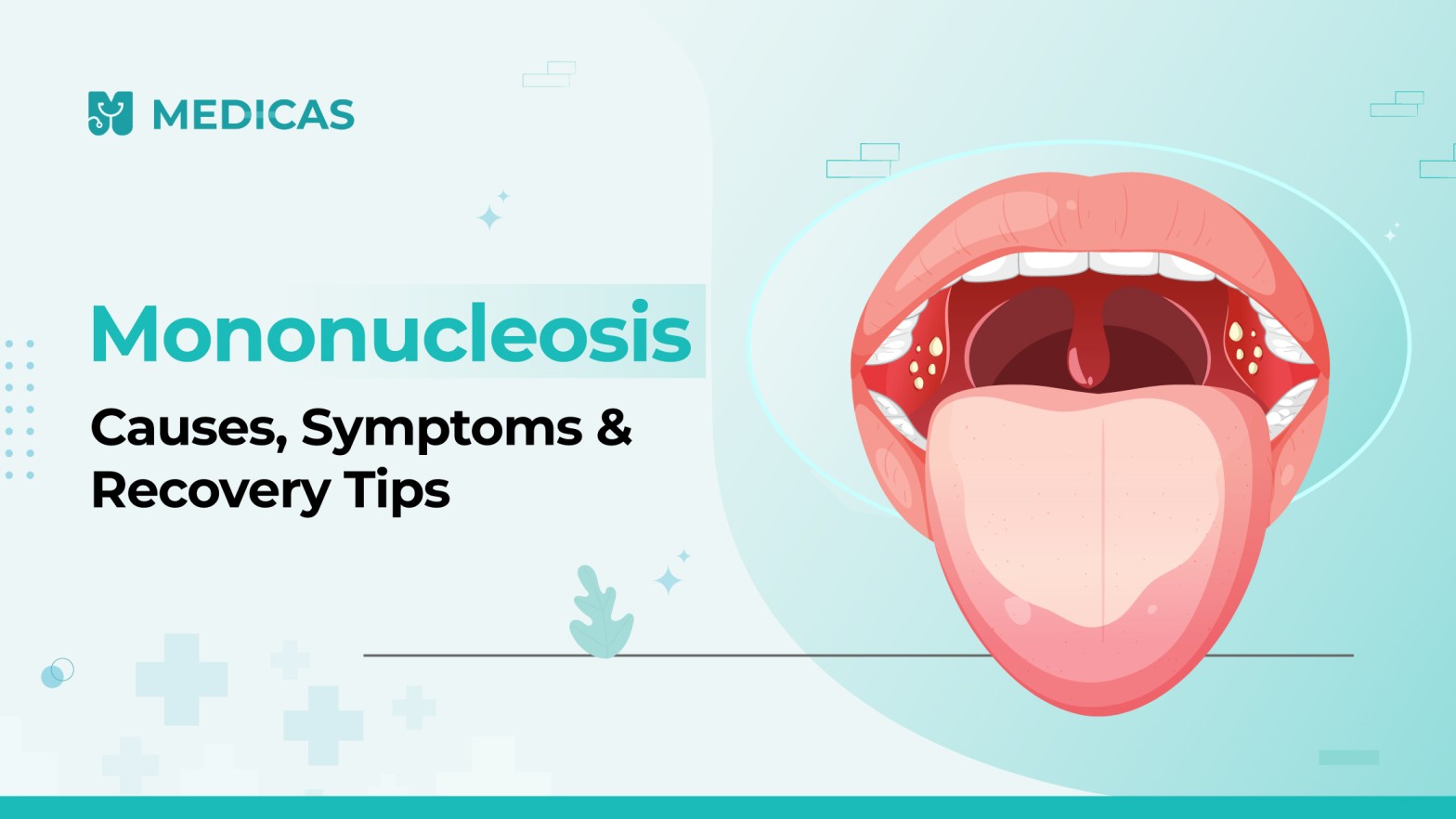
Mononucleosis, often referred to as “mono,” is a viral infection that’s quite common, especially among teenagers and young adults. Knowing about mononucleosis symptoms, causes, and how to manage it can help you recover faster and prevent complications. Let’s dive deep into understanding what is mono disease, its various aspects, and effective recovery strategies. Understanding the basics of infectious mononucleosis virus is key to tackling this illness effectively. This article will guide you through everything you need to know about mono.
What is Mononucleosis (Mono Disease)?
Mononucleosis, commonly known as mono, is an infectious illness typically caused by the Epstein-Barr virus (EBV). It’s characterized by several noticeable symptoms. What is mono disease? Simply put, it is a viral infection that leads to fatigue, fever, sore throat, and swollen lymph nodes. While anyone can get mono, it is most prevalent among teenagers and young adults. Understanding the disease is crucial for effective management and recovery. If you are experiencing mononucleosis symptoms, seeking prompt medical advice is essential.
Understanding the Infectious Mononucleosis Virus
The primary culprit behind mononucleosis is the Epstein-Barr virus (EBV), a member of the herpes virus family. Infectious mononucleosis virus spreads mainly through saliva, which is why mono is often called the “kissing disease.” Once EBV enters the body, it infects B cells, a type of white blood cell. This infection triggers the immune system, leading to the classic symptoms of mono. Understanding how the virus works helps in managing the infection and preventing its spread. Prompt diagnosis helps to address the mononucleosis causes effectively.
Common Signs and Symptoms of Mononucleosis
Recognizing the mononucleosis symptoms is vital for early diagnosis and treatment. Common signs include:
- Extreme fatigue
- Sore throat (often severe)
- Fever
- Swollen lymph nodes in the neck and armpits
- Headache
- Skin rash
- Swollen tonsils
These symptoms can vary in intensity from person to person. Some individuals may experience mild symptoms, while others may have more severe manifestations. It’s important to consult a healthcare professional if you suspect you have mono. You can get an Online Doctor Consultation to understand your symptoms and how to manage them effectively.
Causes and Risk Factors of Mononucleosis
Mononucleosis causes primarily revolve around the Epstein-Barr virus (EBV). However, understanding the risk factors can help in prevention:
- Close Contact: Activities like kissing, sharing utensils, or close physical contact increase the risk.
- Age: Teenagers and young adults are more susceptible.
- Weakened Immunity: Individuals with compromised immune systems are at higher risk.
The virus spreads through saliva, so avoiding direct contact with the saliva of an infected person can reduce the risk. While it’s hard to completely avoid exposure, being mindful of these factors can help minimize your chances of contracting mono. Early diagnosis is vital and you can easily Book Lab Test to confirm.
How Long Does Mononucleosis Last?
Mononucleosis how long does it last is a common question among those affected. Typically, mono lasts for 2 to 4 weeks, but fatigue can linger for several months in some cases. The acute phase, with symptoms like fever and sore throat, usually subsides within a couple of weeks. However, the recovery timeline varies from person to person. Rest and proper care are essential to speed up recovery. While you might feel better after a few weeks, it’s important to avoid strenuous activities to prevent complications. Understanding mononucleosis how long does it last helps in managing expectations during recovery.
Also Read: Cold vs. Flu: How to Tell the Difference and When to See a Doctor
Diagnosis of Mononucleosis
Diagnosing mono usually involves a physical examination and blood tests. A doctor will check for symptoms like swollen lymph nodes, sore throat, and fatigue. Blood tests, such as the monospot test, can confirm the presence of antibodies related to the Epstein-Barr virus. Early and accurate diagnosis is crucial for effective management and to rule out other potential conditions. You can Book Lab Test for mononucleosis to confirm the diagnosis.
Mononucleosis vs. Glandular Fever: What’s the Difference?
Mononucleosis glandular fever – are they the same? Yes, mononucleosis and glandular fever are essentially the same condition. Glandular fever is simply another name for mono, often used in the UK and other parts of the world. Both terms refer to the same viral infection caused by the Epstein-Barr virus, characterized by fatigue, fever, and swollen glands. So, whether you call it mononucleosis or glandular fever, you’re talking about the same illness. Understanding that mononucleosis glandular fever are the same thing can prevent confusion when discussing the condition.
Also Read: 12 Common Types of Fever in India
Treatment Options for Mononucleosis
Unfortunately, there’s no specific cure for mononucleosis treatment. Management focuses on alleviating symptoms and supporting the body’s natural healing process. Here are some common treatment approaches:
- Rest: Getting plenty of rest is crucial.
- Hydration: Drink lots of fluids to prevent dehydration.
- Pain Relief: Over-the-counter pain relievers like ibuprofen or acetaminophen can help with fever and sore throat.
- Gargling: Warm salt water gargles can soothe a sore throat.
Antibiotics are ineffective against mono since it’s a viral infection. In rare cases, corticosteroids may be prescribed to reduce inflammation. You can get an Online Doctor Consultation to learn more about mononucleosis treatment.
Home Remedies and Lifestyle Tips for Recovery
Besides medical treatments, several home remedies and lifestyle adjustments can aid in recovery:
- Honey and Lemon: Soothes sore throat.
- Salt Water Gargles: Reduces throat pain and inflammation.
- Avoid Strenuous Activities: Prevents spleen rupture.
- Healthy Diet: Boosts the immune system.
These simple steps can significantly improve your comfort and accelerate your recovery. Remember to listen to your body and avoid pushing yourself too hard during the recovery period.
Possible Complications of Mononucleosis
While most people recover from mono without serious issues, complications can occur, though they are rare. These include:
- Spleen Rupture: Enlarged spleen is vulnerable to injury.
- Liver Problems: Hepatitis or jaundice.
- Neurological Issues: Meningitis or encephalitis (rare).
- Anemia: Decreased red blood cells.
It’s essential to be aware of these potential complications and seek prompt medical attention if you experience any unusual symptoms. Following your doctor’s advice and taking it easy during recovery can minimize the risk of these issues. You can Book appointment with a specialist to understand more on the possible complications.
Also Read: Common Causes of Dry Cough: Symptoms, Causes & Treatment
Prevention Tips for Mononucleosis
Preventing mono involves reducing the risk of exposure to the Epstein-Barr virus (EBV). Here are some helpful tips:
- Avoid Sharing: Don’t share drinks, utensils, or personal items with others.
- Practice Good Hygiene: Wash your hands frequently.
- Limit Close Contact: Avoid kissing or close contact with individuals who have mono.
While it’s challenging to completely avoid EBV, these measures can lower your risk of contracting the virus. Staying healthy and maintaining a strong immune system also help in fighting off infections.
Conclusion: Early Care and Rest are Key
Understanding mononucleosis treatment, symptoms, and prevention is crucial for managing this common viral infection effectively. Early diagnosis, proper rest, and supportive care can help alleviate symptoms and prevent potential complications. Remember to consult a healthcare professional for personalized advice and treatment options. Taking care of yourself and prioritizing rest is key to a smooth recovery.
Frequently Asked Questions (FAQs)
What is mononucleosis and how is it caused?
Mononucleosis, or mono, is a viral infection primarily caused by the Epstein-Barr virus (EBV). It spreads through saliva, which is why it’s often called the “kissing disease.” The virus infects B cells, leading to symptoms like fatigue, fever, and sore throat. Understanding mononucleosis causes is key to preventing its spread.
How long does mononucleosis typically last?
Mononucleosis how long does it last? Typically, mono lasts for 2 to 4 weeks, but fatigue can persist for several months in some cases. The acute symptoms usually subside within a couple of weeks, but full recovery varies. Rest and proper care are essential for speeding up the recovery process. The duration of mononucleosis how long does it last depends on the individual and the care they receive.
What are the most common symptoms of mononucleosis?
The most common mononucleosis symptoms include extreme fatigue, sore throat, fever, swollen lymph nodes (especially in the neck and armpits), headache, and sometimes a skin rash. Recognizing these mononucleosis symptoms early can help in seeking timely medical advice and starting appropriate management.
Is there a cure for mononucleosis or only supportive treatment?
There is no specific cure for mononucleosis. Mononucleosis treatment focuses on supportive care to alleviate symptoms. This includes rest, hydration, pain relief, and avoiding strenuous activities. The body’s immune system eventually clears the virus on its own. Management of mononucleosis treatment mainly involves addressing symptoms and preventing complications.
Disclaimer
Medical Advice: The information provided in this blog post is for educational purposes only and should not be considered as a substitute for professional medical advice, diagnosis, or treatment. Always consult with a qualified healthcare professional for personalized guidance regarding your specific medical condition.
Accuracy of Information: While we strive to provide accurate and up-to-date information, the field of medicine and viral fevers is constantly evolving. The content in this blog post may not reflect the most current research or medical guidelines. Therefore, it is advisable to cross-check any information provided with reliable sources or consult a healthcare professional.
Individual Variations: The symptoms, causes, treatment options, and preventive measures discussed in this blog post are general in nature and may not apply to everyone. It is important to remember that each individual’s situation is unique, and personalized medical advice should be sought when making healthcare decisions.
External Links: This blog post may contain links to external websites or resources for additional information. However, we do not endorse or have control over the content of these third-party websites. Accessing these links is done at your own risk, and we are not responsible for any consequences or damages that may arise from visiting these external sources.
Results May Vary: The effectiveness of treatment options or preventive measures mentioned in this blog post may vary from person to person. What works for one individual may not work the same way for another. It is essential to consult with a healthcare professional for personalized advice tailored to your specific needs