What Is Tooth Decay?
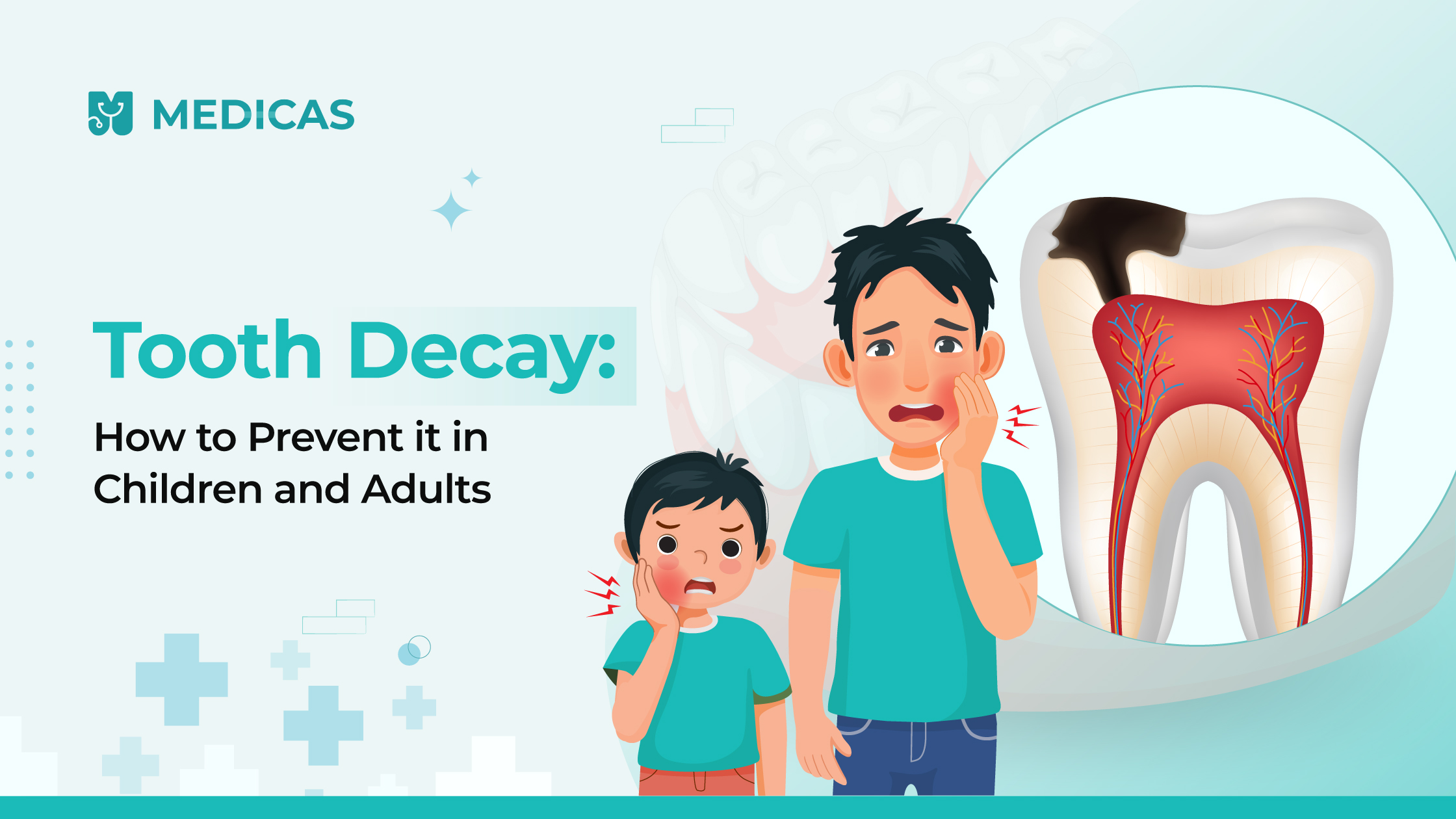
Tooth decay, also known as dental caries, is a common yet preventable oral health issue affecting people of all ages. It starts when bacteria in your mouth produce acids that erode the tooth enamel, leading to cavities. Understanding what causes tooth decay is the first step in protecting your teeth. This process is gradual, but early detection and prevention can save you from discomfort and costly dental treatments. Tooth decay can also be reversed in the very initial stages with lifestyle changes and fluoride application. So, it is important to keep an eye on your dental health.Regular dentist visits or lab tests can help in early diagnosis.Tooth Decay vs. Tooth Cavity
While the terms are often used interchangeably, tooth decay is the process, and a tooth cavity is the result. Decay refers to the gradual erosion of the tooth enamel, while a cavity is the actual hole that forms in the tooth due to this erosion. Think of it like this: tooth decay is the disease, and the tooth cavity is a symptom of that disease. Recognizing the difference helps in understanding the progression and seeking appropriate treatment. Are you experiencing symptoms of tooth cavity? Consider an Online Doctor Consultation.Tooth Decay vs. Tooth Cavity: What’s the Difference?
| Aspect | Tooth Decay | Tooth Cavity |
| Definition | A progressive process where acids erode the tooth enamel | A visible hole or pit in the tooth caused by decay |
| Cause | Bacterial acids from plaque, poor oral hygiene, diet | Result of prolonged and untreated tooth decay |
| Stage | Early to advanced stages of enamel breakdown | Later stage of decay; structural damage has occurred |
| Symptoms | Sensitivity, white spots, mild discomfort | Pain, visible hole, dark spots, food getting stuck |
| Treatment Focus | Preventive care, fluoride, improved oral hygiene | Filling, crown, root canal, or extraction (if severe) |
Common Causes of Tooth Decay
Several factors contribute to tooth decay causes. The primary culprit is poor oral hygiene. When you don’t brush and floss regularly, plaque accumulates on your teeth. This plaque contains bacteria that feed on sugars and carbohydrates, producing acids. Frequent snacking on sugary foods and drinks also increases the risk. Other causes include dry mouth, which reduces saliva’s ability to neutralize acids, and certain medical conditions. Understanding these causes can guide you toward better preventive measures. Remember, a healthy mouth starts with awareness and consistent care.Recognizing the Symptoms Early
Early detection of tooth decay symptoms is crucial for effective treatment. You might notice sensitivity to hot or cold, toothache, visible pits or stains on your teeth, or pain when biting down. Sometimes, there are no noticeable symptoms in the early stages, which is why regular dental check-ups are essential. If you experience any of these symptoms, don’t delay seeking professional dental advice. Early intervention can prevent the decay from progressing into a more serious issue. Home remedies can provide temporary relief, but consult a dentist for proper diagnosis and treatment. You can reach out to me personally for a quick dental consultation and recommendation via Medicas.How to Prevent Tooth Decay in Kids and Adults
Preventing tooth decay in kids and adults involves similar strategies, but with a few age-specific considerations. The foundation of prevention is a consistent oral hygiene routine, including brushing twice daily with fluoride toothpaste and flossing daily. Limiting sugary snacks and drinks is also vital. Regular dental check-ups and professional cleanings are essential for removing plaque and detecting early signs of decay. For kids, parental involvement in their oral hygiene routine is crucial. Educating children about the importance of oral health sets them up for a lifetime of healthy smiles.How to Prevent Tooth Decay in Children
Children are particularly susceptible to tooth decay in kids due to their developing enamel and often higher consumption of sugary snacks. Establishing good oral hygiene habits early is key. Parents should supervise brushing until the child is old enough to do it effectively themselves, usually around age 7 or 8. Fluoride toothpaste is a must, and the amount should be appropriate for their age. Regular dental visits starting from the eruption of the first tooth are crucial for monitoring and preventive care. For overall dental strength, don’t forget diet—adding more calcium-rich foods can help strengthen enamel and bones.Brushing and Flossing for Kids
Make brushing fun for kids! Use a soft-bristle toothbrush and a pea-sized amount of fluoride toothpaste. Brush for two minutes, ensuring all surfaces of the teeth are cleaned. Flossing should start as soon as the teeth touch. Use floss picks or traditional floss, teaching them to gently clean between each tooth. Positive reinforcement and making it a family activity can make brushing and flossing a pleasant experience for kids.Diet and Limiting Sugar Intake
Diet plays a significant role in preventing tooth decay. Here are a few simple things that can be done:- Limit sugary snacks and drinks, especially between meals, to reduce acid attacks on teeth.
- Offer healthy alternatives like fresh fruits, crunchy vegetables, and calcium-rich dairy products.
- Watch out for hidden sugars in packaged foods, juices, cereals, and sauces.
- Make water the primary beverage—it’s sugar-free, hydrating, and helps rinse away food particles.
- Promote a balanced diet that supports strong teeth and gums while improving overall health.
Tips to Prevent Tooth Decay in Adults
Adults also need to maintain a diligent oral hygiene routine to prevent tooth decay. While the basics remain the same, adults should also be aware of specific risk factors like dry mouth due to medications or medical conditions, gum recession, and smoking. Regular dental check-ups and professional cleanings are especially important for adults to detect and address any emerging issues promptly.Daily Oral Hygiene Routine
- Brush your teeth at least twice a day using fluoride toothpaste.
- Floss once daily to remove plaque and food particles between teeth.
- Use an antimicrobial mouthwash to reduce bacteria and freshen breath.
- Consider switching to an electric toothbrush for more thorough cleaning.
- Pay special attention to hard-to-reach areas, especially the back molars.
- Stay consistent—daily care is essential for maintaining long-term oral health.
Visiting the Dentist Regularly
Regular dental visits are essential for preventive care and early detection of any dental problems. Your dentist can identify early signs of tooth decay, provide professional cleanings to remove plaque and tartar, and offer personalized advice on how to improve your oral hygiene. Aim to visit your dentist at least twice a year, or more frequently if you have specific risk factors. You can also book an appointment with a dentist near you via Medicas.Types of Tooth Cavities and Treatment Options
Tooth cavity treatment depends on the type and severity of the cavity. There are several types of cavities, each requiring specific approaches. Understanding the different types can help you appreciate the importance of targeted treatment. The keyword ‘types of tooth cavity’ leads directly into this section.Pit and Fissure Cavities
These cavities occur on the chewing surfaces of the back teeth. They are common because these areas have natural pits and grooves that can trap food particles and bacteria. Regular brushing and fluoride treatments can help prevent these cavities. When they do occur, fillings are usually the recommended treatment.Smooth Surface Cavities
These cavities develop on the smooth sides of the teeth. They progress more slowly than pit and fissure cavities. Good oral hygiene, including regular flossing, is crucial for preventing these cavities. Fluoride treatments and sealants can also be effective.Root Cavities
Root cavities occur on the surface of the tooth root. They are more common in older adults who have gum recession. Exposed root surfaces are softer than enamel and more susceptible to decay. Fluoride toothpaste and mouthwash can help protect the roots. In some cases, gum grafting may be necessary to cover exposed roots.Fluoride Treatments and Fillings
Fluoride treatments are a cornerstone of cavity prevention. Fluoride strengthens tooth enamel, making it more resistant to acid attacks. Fillings are used to repair teeth that have been damaged by decay. The dentist will remove the decayed portion of the tooth and then fill the space with a material such as composite resin, amalgam, or gold. Both fluoride and fillings play crucial roles in maintaining oral health and preventing further decay.| Treatment | Description |
| Fluoride Treatment |
|
| Fillings |
|
When to Seek Dental Help
Don’t wait until you experience severe pain to seek dental help. Regular check-ups are essential for early detection and prevention of dental problems. If you notice any signs of tooth decay symptoms, such as sensitivity, toothache, or visible pits, schedule an appointment with your dentist as soon as possible. Early intervention can save you from more extensive and costly treatments. Early diagnosis and treatment can alleviate the symptoms of a tooth cavity. You can also book an online consultation for quick guidance.Conclusion
Preventing tooth decay is a lifelong commitment that requires consistent effort and awareness. By understanding the causes, recognizing the symptoms, and adopting effective preventive strategies, you can protect your teeth and your family’s teeth from decay. Remember, a healthy smile is a reflection of overall well-being. Prioritize oral health, and you’ll enjoy the benefits for years to come.Frequently Asked Questions (FAQs)
How can I prevent tooth decay in my child?
To prevent tooth decay in kids, ensure they brush twice daily with fluoride toothpaste, limit sugary snacks and drinks, and visit the dentist regularly. Supervise their brushing until they are old enough to do it effectively themselves, usually around age 7 or 8. Fluoride varnish applications at the dental office can also provide extra protection.What are the best ways to prevent tooth decay in adults?
The best ways to prevent tooth decay in adults include maintaining a consistent oral hygiene routine, flossing daily, using an antimicrobial mouthwash, and visiting the dentist regularly for check-ups and professional cleanings. Be mindful of risk factors like dry mouth and gum recession.Does fluoride really help prevent cavities?
Yes, fluoride is highly effective in preventing cavities. It strengthens tooth enamel, making it more resistant to acid attacks. Fluoride is available in toothpaste, mouthwash, and professional treatments. Community water fluoridation is also a safe and effective way to prevent tooth decay.How often should I take my child to the dentist?
You should take your child to the dentist as soon as their first tooth erupts, and no later than their first birthday. After that, regular check-ups are recommended every six months. Early dental visits can help detect and prevent any dental problems.Can diet affect tooth decay risk?
Yes, diet plays a significant role in tooth decay risk. Frequent consumption of sugary snacks and drinks increases the risk of decay. Encourage a balanced diet with plenty of fruits, vegetables, and dairy products. Limit sugary foods and drinks, especially between meals.Disclaimer
Medical Advice: The information provided in this blog post is for educational purposes only and should not be considered as a substitute for professional medical advice, diagnosis, or treatment. Always consult with a qualified healthcare professional for personalized guidance regarding your specific medical condition.
Accuracy of Information: While we strive to provide accurate and up-to-date information, the field of medicine and viral fevers is constantly evolving. The content in this blog post may not reflect the most current research or medical guidelines. Therefore, it is advisable to cross-check any information provided with reliable sources or consult a healthcare professional.
Individual Variations: The symptoms, causes, treatment options, and preventive measures discussed in this blog post are general in nature and may not apply to everyone. It is important to remember that each individual’s situation is unique, and personalized medical advice should be sought when making healthcare decisions.
External Links: This blog post may contain links to external websites or resources for additional information. However, we do not endorse or have control over the content of these third-party websites. Accessing these links is done at your own risk, and we are not responsible for any consequences or damages that may arise from visiting these external sources.
Results May Vary: The effectiveness of treatment options or preventive measures mentioned in this blog post may vary from person to person.