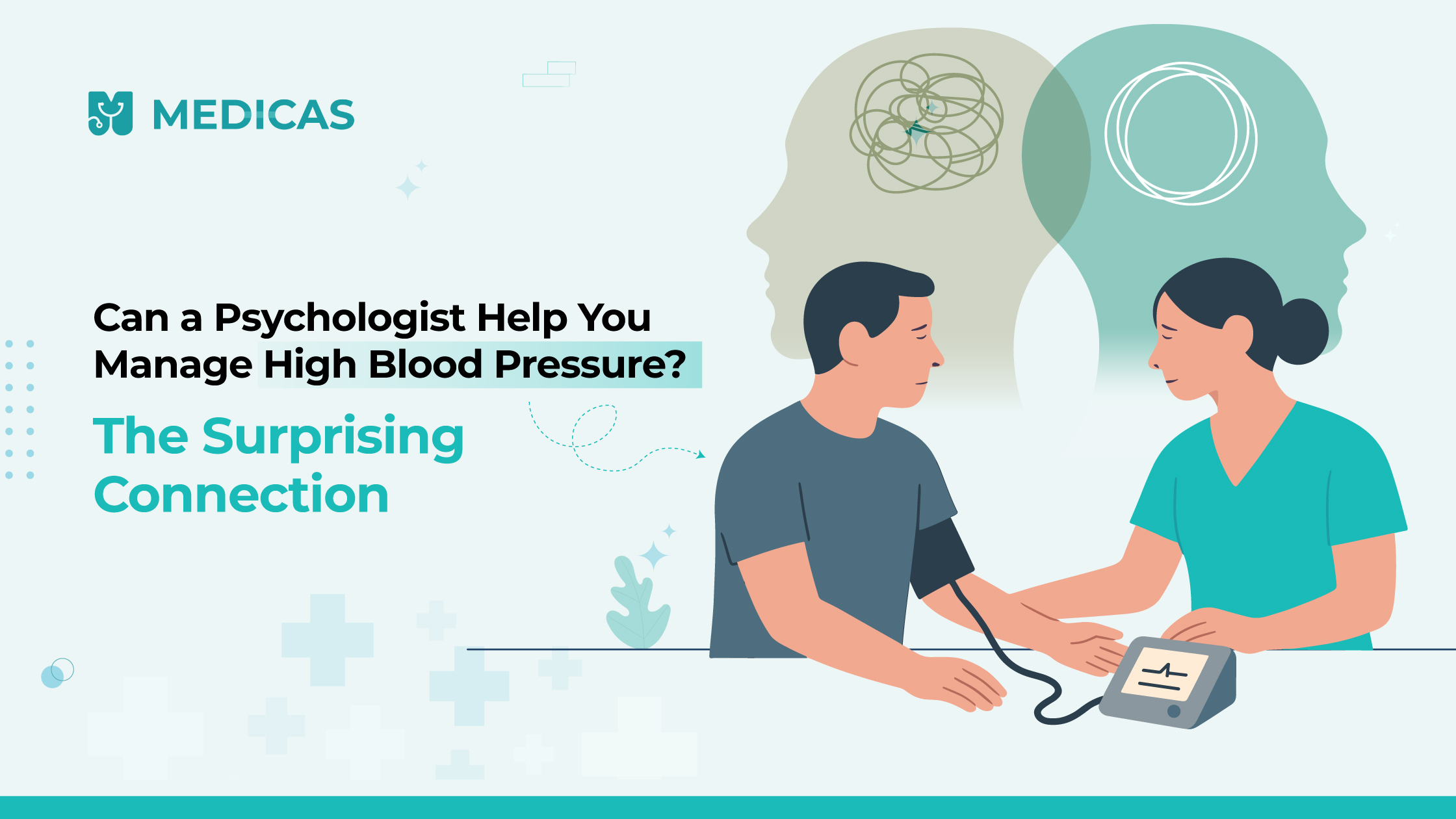
What Is High Blood Pressure (Hypertension)?
High blood pressure, also known as hypertension, is a common condition in which the force of your blood against your artery walls is high enough that it may eventually cause health problems, such as heart disease. Understanding what constitutes normal blood pressure is crucial for identifying and managing this condition effectively. Many factors contribute to high blood pressure range, including lifestyle, genetics, and even mental health. Recognizing the significance of this condition is the first step toward maintaining a healthy life. Early diagnosis can often prevent serious complications. Blood pressure is measured in millimetres of mercury (mm Hg). A reading has two numbers. The first number, called systolic blood pressure, measures the pressure in your arteries when your heart beats. The second number, called diastolic blood pressure, measures the pressure in your arteries when your heart rests between beats. According to recent guidelines, normal blood pressure is typically around 120/80 mm Hg. Readings consistently above 130/80 mm Hg indicate hypertension. People with hypertension symptoms should regularly monitor their blood pressure. Untreated high blood pressure may lead to stroke, heart attack, and kidney failure. Maintaining a healthy lifestyle can often help people control and sometimes even reverse the condition. Consider this your call to action to learn more about managing your blood pressure effectively!
The Surprising Link Between Mental Health and Blood Pressure
The connection between mental health and physical health is becoming increasingly clear, and high blood pressure is no exception. Stress, anxiety, and depression can all significantly impact your cardiovascular health. The chronic stress of modern life can lead to sustained elevations in blood pressure, increasing the risk of hypertension and other heart-related issues. Understanding this link allows for more holistic approaches to managing high blood pressure and overall well-being. When you’re stressed or anxious, your body releases hormones like cortisol and adrenaline, which can temporarily increase your heart rate and blood pressure. While these spikes are normal in response to immediate threats, prolonged exposure to these hormones can damage your arteries and increase your risk of heart disease. Furthermore, unhealthy coping mechanisms often associated with mental health issues, such as smoking, excessive alcohol consumption, and poor diet, can exacerbate hypertension. People often wonder if can stress and anxiety raise blood pressure, and the answer is definitively yes, especially when these states become chronic. Taking care of your mental well-being is not just about feeling good; it’s also about protecting your heart.
How Stress and Emotions Influence Blood Pressure
Our emotions play a crucial role in regulating our physiological responses, including blood pressure. Stress, anger, fear, and even excitement can trigger immediate changes in your blood pressure levels. However, it’s the prolonged experience of negative emotions that poses the greatest risk for developing hypertension. Learning how to manage these emotions can be a vital component in maintaining healthy blood pressure. It’s not just about avoiding stress, but rather developing resilience and effective coping strategies.
Can stress and anxiety raise blood pressure?
Absolutely. When you’re under stress, your sympathetic nervous system kicks into high gear, leading to increased heart rate and constriction of blood vessels. Over time, this can lead to chronic hypertension. Additionally, individuals experiencing chronic stress may develop unhealthy habits like overeating, reduced physical activity, and sleep disturbances, all of which can contribute to elevated blood pressure. Finding healthy outlets for stress and emotional expression, such as exercise, meditation, or talking to a therapist, can significantly mitigate these effects. Recognizing the power of emotions in influencing blood pressure is the first step toward taking control of your cardiovascular health.
What Role Does a Psychologist Play in Managing Hypertension?
A psychologist can play a significant role in helping individuals manage high blood pressure, particularly when stress and emotional factors are involved. Psychologists are trained to help people develop coping strategies, manage stress, and change behaviors that contribute to hypertension. Their expertise extends beyond just addressing symptoms; they aim to identify and treat the underlying psychological factors that impact blood pressure. Seeing a psychologist isn’t just for mental health; it’s a proactive step for heart health. Psychologists use a variety of techniques, including cognitive-behavioral therapy (CBT), mindfulness-based interventions, and relaxation techniques, to help patients reduce stress and manage their emotions. They also work with patients to identify and change unhealthy lifestyle behaviors, such as smoking, poor diet, and lack of exercise, that can contribute to hypertension. By addressing both the psychological and behavioral aspects of high blood pressure, psychologists offer a comprehensive approach to managing this condition. This collaborative approach ensures that individuals receive tailored support that addresses their unique needs and challenges. Managing high blood pressure becomes easier with the right professional help. Consult a Pyschologist near you on Medicas today.
Mind-Body Techniques That Help Lower Blood Pressure Naturally
Mind-body techniques have gained recognition as effective tools for managing high blood pressure naturally. These techniques focus on the interaction between the mind and body, harnessing the power of mental focus and relaxation to positively impact physiological processes. Practices such as meditation, yoga, deep breathing exercises, and progressive muscle relaxation have been shown to reduce stress, lower heart rate, and ultimately help lower blood pressure naturally. Integrating these practices into your daily routine can have profound benefits for your cardiovascular health. Mindfulness meditation, for example, involves focusing your attention on the present moment without judgment, which can help reduce stress and anxiety. Yoga combines physical postures, breathing techniques, and meditation to promote relaxation and improve overall well-being. Deep breathing exercises can activate the parasympathetic nervous system, which helps to slow down heart rate and lower blood pressure naturally. By consistently practicing these mind-body techniques, individuals can develop a greater sense of calm and control over their physiological responses, leading to sustainable improvements in blood pressure. Remember, small consistent efforts often lead to big results. If you are worried, you can get an Online Doctor Consultation
Cognitive Behavioral Therapy (CBT) and Hypertension
Cognitive Behavioral Therapy (CBT) is a type of psychotherapy that focuses on identifying and changing negative thought patterns and behaviors that contribute to stress and hypertension. CBT helps individuals develop coping strategies to manage stress, anxiety, and other emotional challenges that can impact blood pressure. By learning to reframe negative thoughts and adopt healthier behaviors, individuals can effectively lower blood pressure naturally. CBT provides practical tools for managing the psychological factors that influence cardiovascular health. During CBT sessions, a therapist works with the patient to identify specific triggers for stress and anxiety and develop strategies to cope with these triggers in a healthier way. This may involve techniques such as cognitive restructuring, where negative thoughts are challenged and replaced with more positive and realistic ones, and behavioral activation, where individuals engage in activities that bring them joy and reduce stress. CBT also emphasizes the importance of self-monitoring, where individuals track their thoughts, feelings, and behaviors to gain a better understanding of their patterns and triggers. By actively participating in CBT, individuals can gain greater control over their emotional responses and ultimately improve their blood pressure levels. You can also Book Lab Test and track the improvement to stay motivated.
Mindfulness and Relaxation Techniques
Mindfulness and relaxation techniques are powerful tools for reducing stress and lowering blood pressure naturally. Mindfulness involves paying attention to the present moment without judgment, which can help reduce anxiety and promote a sense of calm. Relaxation techniques, such as progressive muscle relaxation and guided imagery, focus on reducing muscle tension and promoting relaxation throughout the body. Regularly practicing these techniques can lead to significant improvements in blood pressure levels. Mindfulness meditation, for example, involves focusing on your breath or other sensations in the present moment, allowing you to observe your thoughts and feelings without getting carried away by them. Progressive muscle relaxation involves tensing and releasing different muscle groups in the body, which can help reduce muscle tension and promote relaxation. Guided imagery involves visualizing peaceful and relaxing scenes, which can help calm the mind and body. By incorporating these techniques into your daily routine, you can cultivate a greater sense of inner peace and resilience to stress, leading to sustainable improvements in blood pressure. It is important to be consistent when using these techniques to see results.
The Role of Talk Therapy in Stress Reduction
Talk therapy, also known as psychotherapy, provides a safe and supportive space for individuals to explore their thoughts, feelings, and experiences related to stress and hypertension symptoms. By talking to a trained therapist, individuals can gain insights into the underlying causes of their stress and develop healthier coping strategies. Talk therapy can be particularly beneficial for individuals who are struggling with anxiety, depression, or other emotional challenges that contribute to high blood pressure. Finding the right therapist can be a life-changing step toward better health. During talk therapy sessions, a therapist listens empathetically to the patient’s concerns and helps them to identify patterns of thinking and behavior that contribute to their stress. The therapist may also provide guidance and support as the patient explores their emotions and develops new coping strategies. Different types of talk therapy, such as cognitive-behavioral therapy (CBT) and psychodynamic therapy, may be used depending on the individual’s needs and preferences. By engaging in talk therapy, individuals can gain a greater understanding of themselves and their emotions, leading to reduced stress and improved blood pressure levels. Therapy can also help you identify the cause for the spike and prepare you to handle it. If you need any kind of help, you can always Book an appointment with directly on Medicas.
Tracking Mental Health Progress Alongside BP Levels
Monitoring your mental health progress alongside your blood pressure levels can provide valuable insights into the effectiveness of your treatment plan. By tracking both your emotional well-being and your blood pressure readings, you can identify patterns and correlations that can help you make informed decisions about your health. Keeping a journal, using mood trackers, and regularly assessing your stress levels can all be helpful tools in this process. Data doesn’t lie; use it to your advantage! For example, you may notice that your blood pressure tends to spike during periods of high stress or anxiety. This information can help you to proactively manage your stress levels and prevent future blood pressure spikes. Similarly, you may find that certain coping strategies, such as meditation or exercise, are particularly effective in reducing both your stress and your blood pressure. By tracking your progress over time, you can gain a better understanding of what works best for you and tailor your treatment plan accordingly. This comprehensive approach ensures that you are addressing both the physical and emotional aspects of high blood pressure.
| Date | Time | Blood Pressure (Systolic/Diastolic) | Stress Level (1-10) | Mood (e.g., Happy, Anxious, Sad) | Activities/Notes |
| 2024-01-01 | 8:00 AM | 140/90 | 7 | Anxious | Work deadline approaching |
| 2024-01-01 | 6:00 PM | 130/85 | 4 | Calm | Practiced meditation |
| 2024-01-02 | 8:00 AM | 135/88 | 6 | Stressed | Traffic Jam |
| 2024-01-02 | 6:00 PM | 125/80 | 3 | Relaxed | Spent time with family |
When Should You See a Psychologist for Blood Pressure Issues?
Knowing when to seek professional help is crucial for managing high blood pressure effectively. If you’re experiencing persistent stress, anxiety, or depression that seems to be impacting your blood pressure, it may be time to consult with a psychologist. Additionally, if you’ve been diagnosed with hypertension and are struggling to manage it through lifestyle changes alone, a psychologist can provide valuable support and guidance. Don’t hesitate to reach out; your mental and physical health are worth it. Consider seeking help if you notice that your blood pressure consistently spikes during stressful situations or if you’re using unhealthy coping mechanisms, such as smoking or overeating, to manage your stress. A psychologist can help you develop healthier coping strategies and address any underlying emotional issues that may be contributing to your high blood pressure. Early intervention can prevent more serious health problems down the road. Addressing issues related to hypertension symptoms early can greatly improve outcomes.
How Psychologists Can Help You Manage High Blood Pressure
Psychologists employ a variety of evidence-based techniques to help individuals manage high blood pressure. These techniques include cognitive-behavioral therapy (CBT), mindfulness-based interventions, relaxation techniques, and stress management training. By addressing the psychological factors that contribute to hypertension, psychologists empower individuals to take control of their health and improve their quality of life. Their tailored approach is critical for long-term success. Through CBT, individuals learn to identify and change negative thought patterns and behaviors that contribute to stress and anxiety. Mindfulness-based interventions help individuals to become more aware of their thoughts and feelings in the present moment, allowing them to respond to stress in a more mindful and adaptive way. Relaxation techniques, such as deep breathing exercises and progressive muscle relaxation, help to reduce muscle tension and promote a sense of calm. By working with a psychologist, individuals can develop a comprehensive toolkit for managing stress and lowering blood pressure naturally. The result is a healthier, happier you.
Conclusion
Managing high blood pressure is a multifaceted process that requires a holistic approach. By recognizing the link between mental health and cardiovascular health, individuals can take proactive steps to manage their stress, emotions, and lifestyle behaviors. Psychologists play a vital role in this process, providing evidence-based techniques and support to help individuals lower blood pressure naturally and improve their overall well-being. Remember, taking care of your mental health is an investment in your heart health. Don’t hesitate to reach out for help if you’re struggling to manage your blood pressure or your emotional well-being. Your health is important, and with the right support, you can live a long and fulfilling life.
Frequently Asked Questions (FAQs)
Can anxiety cause long-term high blood pressure?
Yes, chronic anxiety can contribute to long-term high blood pressure. When you’re constantly anxious, your body is in a state of heightened alert, which can lead to sustained elevations in blood pressure. Managing anxiety through therapy, lifestyle changes, and relaxation techniques can help mitigate this risk.
Can therapy reduce the need for blood pressure medication?
In some cases, therapy can help reduce the need for blood pressure medication, particularly when stress and emotional factors are significant contributors to hypertension. By addressing the underlying psychological issues and promoting healthier coping strategies, therapy can help lower blood pressure naturally. However, it’s important to consult with your doctor before making any changes to your medication regimen.
Is high blood pressure caused by mental illness?
High blood pressure is not directly caused by mental illness, but certain mental health conditions, such as anxiety and depression, can increase the risk of developing hypertension. Additionally, unhealthy behaviors often associated with mental illness, such as smoking and poor diet, can also contribute to high blood pressure. Addressing both mental and physical health is crucial for overall well-being.
Does depression impact blood pressure levels?
Yes, depression can impact blood pressure levels. Studies have shown that individuals with depression are more likely to develop high blood pressure compared to those without depression. Depression can lead to unhealthy lifestyle behaviors and increased stress, both of which can contribute to hypertension. Seeking treatment for depression can help improve both mental and physical health.
Can talking to a therapist help control blood pressure spikes?
Yes, talking to a therapist can be an effective way to control blood pressure spikes, particularly when stress and anxiety are triggers. Therapy provides a safe and supportive space to explore your emotions, develop coping strategies, and address any underlying psychological issues that may be contributing to your high blood pressure.
Do mindfulness and meditation lower high blood pressure?
Yes, mindfulness and meditation have been shown to lower blood pressure naturally. These practices help to reduce stress, promote relaxation, and improve overall well-being, all of which can have a positive impact on blood pressure levels. Regularly incorporating mindfulness and meditation into your daily routine can be a valuable tool for managing hypertension.
Disclaimer
Medical Advice: The information provided in this blog post is for educational purposes only and should not be considered as a substitute for professional medical advice, diagnosis, or treatment. Always consult with a qualified healthcare professional for personalized guidance regarding your specific medical condition.
Accuracy of Information: While we strive to provide accurate and up-to-date information, the field of medicine and viral fevers is constantly evolving. The content in this blog post may not reflect the most current research or medical guidelines. Therefore, it is advisable to cross-check any information provided with reliable sources or consult a healthcare professional.
Individual Variations: The symptoms, causes, treatment options, and preventive measures discussed in this blog post are general in nature and may not apply to everyone. It is important to remember that each individual’s situation is unique, and personalized medical advice should be sought when making healthcare decisions.
External Links: This blog post may contain links to external websites or resources for additional information. However, we do not endorse or have control over the content of these third-party websites. Accessing these links is done at your own risk, and we are not responsible for any consequences or damages that may arise from visiting these external sources.
Results May Vary: The effectiveness of treatment options or preventive measures mentioned in this blog post may vary from person to person. What works for one individual may not work the same way for another. It is essential to consult with a healthcare professional for personalized advice tailored to your specific needs