What is an IVF Pregnancy?
IVF, which stands for in vitro fertilization, is a procedure used to treat infertility where the eggs and sperm are fertilized in a petri dish in the course of a laboratory experiment and then implanted into the uterus. Unlike natural conception, the IVF pregnancy procedure involves multiple steps, from ovarian stimulation and egg retrieval to embryo transfer. Couples often ask how many weeks an IVF pregnancy is safe, or how to calculate pregnancy weeks after IVF. Typically, the counting begins from the date of embryo transfer rather than the last menstrual period. Understanding the process reduces anxiety and empowers couples with realistic expectations. Learn more about an infertility treatment doctor.Why Mental Health Matters in IVF and Fertility Treatments
The hormonal stimulation phase of IVF treatment can be both physically and emotionally demanding. Frequent injections, ongoing medical procedures, financial strain, and the uncertainty of waiting often contribute to stress, anxiety, and even depression. Mental health support is crucial because:- Emotional distress can disrupt hormone regulation, which may affect fertility outcomes.
- Couples often feel isolated, guilty, or pressured by societal expectations.
The IVF Pregnancy Procedure Explained
The IVF process involves several carefully monitored stages:- Ovarian Stimulation: Hormonal medications stimulate egg production.
- Egg Retrieval and Sperm Collection: Eggs are collected through a minor surgical procedure, while sperm is obtained naturally or via medical methods.
- Fertilization in the Lab: Eggs and sperm are combined, and embryos are formed.
- Embryo Transfer: Selected embryos are transferred into the uterus, where implantation may occur.
- Pregnancy Confirmation: A blood test confirms if the IVF pregnancy has been achieved.
Psychological Challenges During IVF Treatments
Couples may encounter several emotional hurdles:- Fear of treatment failure despite high expectations.
- Financial stress due to repeated cycles.
- Relationship strain from emotional highs and lows.
- Anxiety about IVF pregnancy symptoms and possible complications.
The Role of Psychologists in Fertility Care
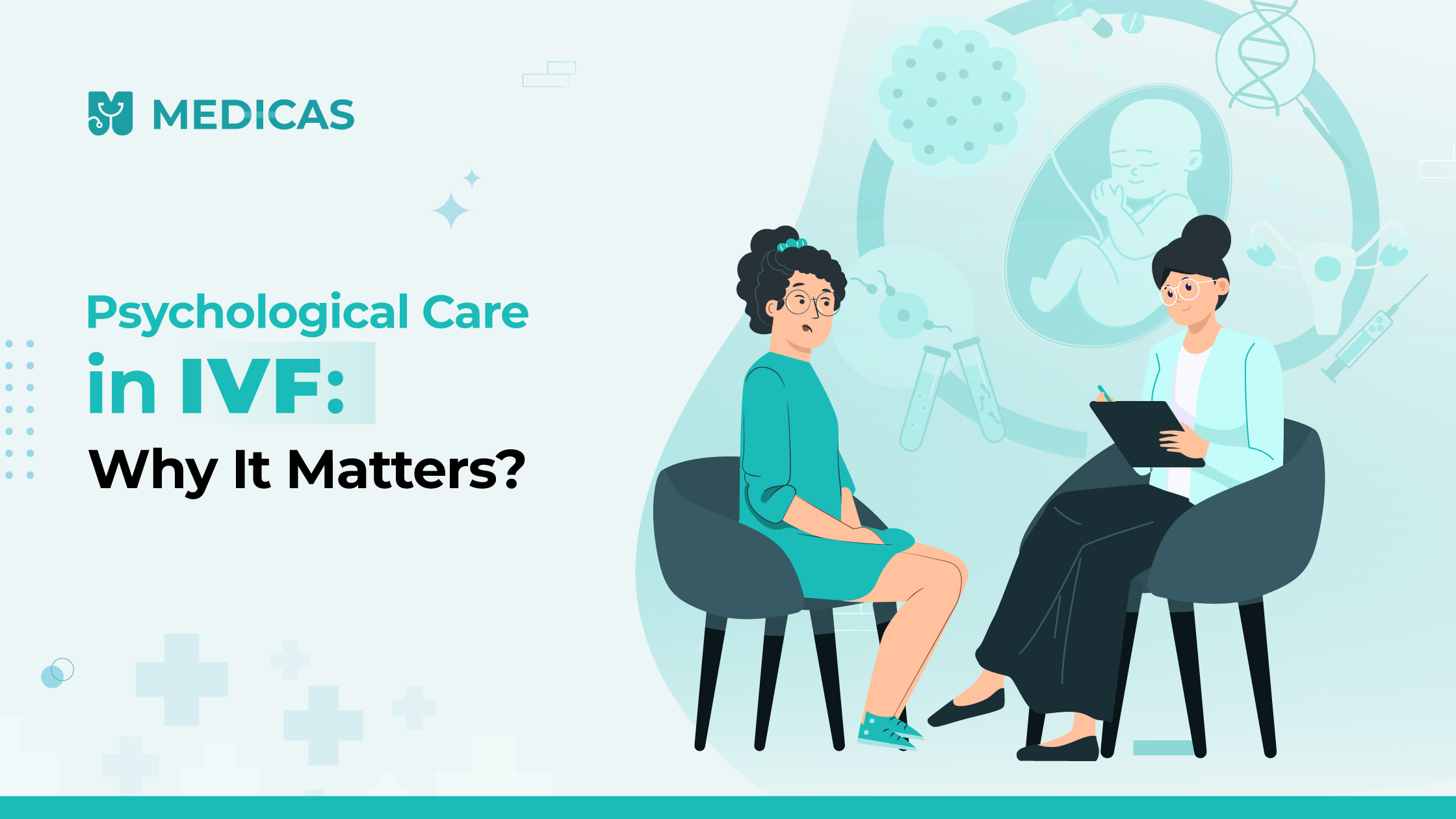
Psychologists offer their expertise to couples to guide them through the complexities of IVF treatment, either mentally or emotionally. They include:- Assessing emotional readiness before treatment begins.
- Offering individualized or couple-based therapy.
- Teaching relaxation and stress-reduction strategies.
Emotional Support and Stress Management
Psychologists help couples with stress management. This includes practicing mindfulness and deep breathing, and refraining from negative thinking. The process of IVF treatment undergoes emotional support, leading to resiliency and increased confidence on the part of the patients.Helping Couples Improve Communication
Conflict can arise when there is miscommunication at stressful moments. Psychologists make couples discuss fears, expectations, and frustrations openly, which allows them to stay together throughout the IVF pregnancy procedure.Guidance in Handling Treatment Failures
Not all IVF cycles lead to pregnancy. To limit the emotional cost of failure on the part of the treatment, psychologists offer grief counseling and methods of processing disappointment.Reducing Anxiety and Depression During IVF
Through targeted therapy sessions, the intensity of anxiety is reduced, and depressive states due to the period of long uncertainty associated with IVF treatment can be avoided.Supporting Decision-Making in Fertility Treatments
Couples have too many choices to make, including selecting the number of embryos to transfer and/or possibly a donor. Psychologists provide objective counseling in order to help make rational and sober decisions.Preparing Patients for Different Fertility Outcomes
Regardless of the success of the treatment, multiple pregnancies, or necessitating other channels, such as adoption, psychologists guide couples to be mentally ready in case all these happen.Enhancing Coping Strategies for Long Treatments
IVF treatment procedures can take months or years. Without becoming emotionally burned out, psychologists present an efficient coping tool in dealing with the continuous uncertainty.How Psychological Well-being Affects IVF Success Rates
Research confirms that the lower levels of stress and enhanced well-being of emotions are associated with the increased likelihood of success regarding the IVF. Psychologists also contribute to improved outcomes by being able to make the couples feel calmer and more supported.When to Seek Psychological Support During a Fertility Journey
Couples should consider therapy when they experience:- Persistent sadness or hopelessness.
- Severe anxiety before or after procedures.
- Strained relationships due to infertility stress.
- Difficulty coping with treatment outcomes.
Tips for Couples Undergoing IVF to Maintain Mental Health
- Stay Informed: Learn about what IVF treatment is and each step of the procedure.
- Practice Self-Care: Incorporate exercise, a balanced diet, and sleep hygiene.
- Seek Counseling: Explore infertility counselling for additional support.
- Connect with Support Groups: Sharing experiences with others reduces feelings of isolation.
- Plan Breaks Between Cycles: Avoid emotional exhaustion by allowing recovery time.
Conclusion
IVF pregnancy is a medically advanced and emotionally complicated process. Although the process of undergoing an IVF procedure lies entirely in the hands of fertility specialists, psychologists are as important as the former in maintaining sound mental health, stability of relationships, and clarity of emotional well-being. By addressing stress, improving communication, and preparing couples for varied outcomes, psychologists significantly enhance the quality of life during fertility care. Remember, fertility health isn’t only about the body; it’s about the mind too. For expert guidance, explore online doctor consultation or connect with a psychologist today.Frequently Asked Questions (FAQs)
What is the role of the IVF counselor?
An IVF counselor provides emotional support, stress management strategies, and helps couples cope with treatment challenges, improving communication, resilience, and mental well-being throughout the IVF journey.Can stress affect IVF pregnancy success?
Yes, stress can impact hormone regulation, reduce treatment compliance, and affect overall health. While it doesn’t directly cause failure, managing stress improves well-being and may indirectly support IVF pregnancy success.After how many weeks is an IVF pregnancy considered safe?
Like natural pregnancies, an IVF pregnancy is considered relatively stable after the first 12 weeks, when miscarriage risk drops, and fetal development progresses into the second trimester.How do you calculate due dates for IVF pregnancies?
Due dates for IVF pregnancies are calculated from the embryo transfer date. Typically, doctors add 38 weeks to the transfer date, adjusting for whether it was a day-3 or day-5 embryo.Disclaimer
Medical Advice: The information provided in this blog post is for educational purposes only and should not be considered as a substitute for professional medical advice, diagnosis, or treatment. Always consult with a qualified healthcare professional for personalized guidance regarding your specific medical condition.
Accuracy of Information: While we strive to provide accurate and up-to-date information, the field of medicine and viral fevers is constantly evolving. The content in this blog post may not reflect the most current research or medical guidelines. Therefore, it is advisable to cross-check any information provided with reliable sources or consult a healthcare professional.
Individual Variations: The symptoms, causes, treatment options, and preventive measures discussed in this blog post are general in nature and may not apply to everyone. It is important to remember that each individual’s situation is unique, and personalized medical advice should be sought when making healthcare decisions.
External Links: This blog post may contain links to external websites or resources for additional information. However, we do not endorse or have control over the content of these third-party websites. Accessing these links is done at your own risk, and we are not responsible for any consequences or damages that may arise from visiting these external sources.
Results May Vary: The effectiveness of treatment options or preventive measures mentioned in this blog post may vary from person to person. What works for one individual may not work the same way for another. It is essential to consult with a healthcare professional for personalized advice tailored to your specific needs