What is Typhoid Disease?
Typhoid disease, commonly referred to as typhoid fever, is a bacterial infection that can cause significant health issues if left untreated. It primarily spreads through contaminated food and water, making hygiene and sanitation crucial in preventing typhoid. Understanding the typhoid causes and how to protect yourself and your family is essential for public health.
Typhoid is Caused by What? Understanding the Infection
So, typhoid is caused by what, exactly? Typhoid fever is caused by the bacterium *Salmonella Typhi*. This bacterium usually enters the body through ingestion of food or water that has been contaminated by the faeces or urine of someone carrying the bacteria. Once ingested, the bacteria multiply and spread into the bloodstream, leading to the systemic infection known as typhoid. Understanding this transmission route is crucial for preventing typhoid.
Common Causes and Risk Factors of Typhoid
Several factors increase the risk of contracting typhoid fever. These include:
- Poor sanitation and hygiene practices
- Consumption of contaminated food or water
- Close contact with someone infected with *Salmonella Typhi*
- Travel to areas where typhoid is endemic
Populations in areas with inadequate water treatment and sewage disposal systems are at higher risk. Also, individuals who work in or visit these areas need to be particularly vigilant about food and water safety. Knowing these typhoid causes is the first step in taking preventive measures.
Also Read: Typhoid Test:Normal Range, Results and Interpretation
Signs and Symptoms of Typhoid Disease
Recognizing the signs and symptoms of typhoid fever is crucial for early diagnosis and treatment. Common symptoms include:
- High fever (gradually increasing)
- Headache
- Weakness and fatigue
- Stomach pain
- Constipation or diarrhea
- Loss of appetite
- Rose-colored spots on the chest or abdomen
These symptoms typically develop one to three weeks after exposure to the bacteria. Prompt medical attention is necessary if you suspect you have typhoid. Remember, early detection can significantly improve treatment outcomes.
How Typhoid Spreads: Transmission Explained
Understanding how typhoid spreads is critical in preventing the disease. Typhoid fever spreads through the fecal-oral route, meaning the bacteria are ingested through contaminated food or water. Carriers of the disease, even those who show no symptoms, can shed the bacteria in their stool and urine, contaminating the environment if proper hygiene is not maintained. Proper handwashing, safe food handling, and clean water sources are vital in breaking the chain of transmission. This is key to preventing typhoid effectively.
Diagnosis and Tests for Typhoid Fever
Diagnosing typhoid fever typically involves a combination of physical examination, medical history review, and laboratory tests. Common diagnostic tests include:
- Blood culture: To detect the presence of *Salmonella Typhi* in the bloodstream
- Stool culture: To identify the bacteria in the stool
- Urine culture: To check for the presence of the bacteria in the urine
- Typhoid antibody tests (e.g., Widal test): To detect antibodies against *Salmonella Typhi*
A bone marrow culture is the gold standard for diagnosing typhoid fever. Consulting with a healthcare provider and Book Lab Test is crucial for accurate diagnosis and appropriate treatment.
Treatment Options for Typhoid Disease
Timely treatment is essential for managing typhoid fever and preventing complications. The primary treatment involves antibiotics to kill the *Salmonella Typhi* bacteria. Commonly prescribed antibiotics include:
- Ciprofloxacin
- Azithromycin
- Ceftriaxone
In addition to antibiotics, supportive care such as fluid replacement, rest, and proper nutrition are important for recovery. Severe cases may require hospitalization. It’s important to complete the full course of antibiotics, even if symptoms improve, to ensure the infection is completely eradicated. You can also seek Online Doctor Consultation if required.
Also Read: What to Eat and What Not to Eat in Typhoid
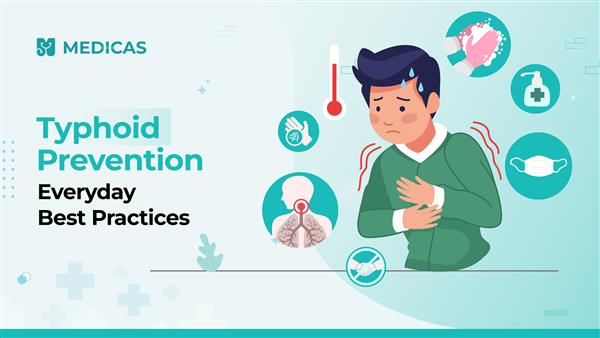
Preventing Typhoid: Best Practices
Preventing typhoid involves several key strategies aimed at minimizing exposure to the *Salmonella Typhi* bacteria:
- Wash hands frequently with soap and water, especially before eating and after using the toilet.
- Drink safe, treated water. If water sources are questionable, boil water for at least one minute before consumption.
- Eat food that is thoroughly cooked and served hot.
- Avoid raw fruits and vegetables unless you can peel them yourself.
- Be cautious of street food, especially in areas where sanitation is poor.
Maintaining good hygiene and sanitation practices is crucial in preventing the spread of typhoid fever. By following these practices, you can significantly reduce your risk of contracting the disease.
Vaccination for Typhoid: What You Should Know
Vaccination is an effective way to protect against typhoid fever, especially for those traveling to high-risk areas. There are two main types of typhoid vaccines available:
- Injectable vaccine: This inactivated vaccine requires a single dose and is effective for about two years.
- Oral vaccine: This live attenuated vaccine requires four doses taken every other day and provides protection for about five years.
Consult with a healthcare provider to determine which vaccine is best for you based on your travel plans and health status. Vaccination, combined with safe food and water practices, offers the best protection against typhoid disease.
When to Seek Medical Attention
It’s essential to seek medical attention promptly if you experience symptoms of typhoid fever, such as high fever, headache, and abdominal pain. Early diagnosis and treatment can prevent serious complications. Additionally, if you have recently traveled to an area where typhoid is common and develop these symptoms, inform your healthcare provider about your travel history. Early intervention can significantly improve outcomes and reduce the risk of spreading the disease. If you have any concerns, Book appointment today to consult with your doctor.
Preventing Typhoid: Best Practices for Everyday Life
In your daily life, there are several steps you can take to minimize your risk of typhoid fever:
- Always wash your hands thoroughly with soap and water before preparing or eating food.
- Ensure that food is properly cooked and stored at safe temperatures.
- Use separate cutting boards and utensils for raw and cooked foods.
- Drink bottled or boiled water, especially when traveling.
- Avoid ice from unknown sources, as it may be made with contaminated water.
These practices, combined with vaccination when appropriate, can greatly reduce your chances of contracting typhoid.
Conclusion: Stay Safe Through Prevention
Typhoid fever is a preventable disease. By understanding the typhoid causes, practising good hygiene, and getting vaccinated when necessary, you can significantly reduce your risk. Stay informed, stay vigilant, and prioritise your health to protect yourself and your community from the dangers of typhoid fever. Always consult with healthcare professionals for personalised advice and treatment. You can consult me directly via Medicas — Consult Now
Frequently Asked Questions (FAQs)
What causes typhoid disease and how does it spread?
Typhoid disease is caused by the *Salmonella Typhi* bacteria. It spreads through contaminated food and water, usually due to poor sanitation and hygiene practices. The bacteria enter the body through ingestion and then multiply and spread into the bloodstream.
What are the common symptoms of typhoid fever?
Common symptoms include high fever, headache, weakness, stomach pain, constipation or diarrhea, loss of appetite, and sometimes a rash of rose-colored spots on the chest or abdomen. These symptoms typically appear one to three weeks after exposure.
How can I prevent typhoid disease?
You can preventing typhoid by practicing good hygiene, such as frequent handwashing, drinking safe water, eating thoroughly cooked food, and getting vaccinated if you are traveling to high-risk areas. Avoiding street food and raw fruits and vegetables in areas with poor sanitation can also help.
When should I see a doctor for typhoid symptoms?
You should see a doctor immediately if you experience symptoms of typhoid fever, especially if you have recently traveled to an area where typhoid is common. Early diagnosis and treatment are crucial to prevent serious complications.
Disclaimer
Medical Advice: The information provided in this blog post is for educational purposes only and should not be considered as a substitute for professional medical advice, diagnosis, or treatment. Always consult with a qualified healthcare professional for personalized guidance regarding your specific medical condition.
Accuracy of Information: While we strive to provide accurate and up-to-date information, the field of medicine and viral fevers is constantly evolving. The content in this blog post may not reflect the most current research or medical guidelines. Therefore, it is advisable to cross-check any information provided with reliable sources or consult a healthcare professional.
Individual Variations: The symptoms, causes, treatment options, and preventive measures discussed in this blog post are general in nature and may not apply to everyone. It is important to remember that each individual’s situation is unique, and personalized medical advice should be sought when making healthcare decisions.
External Links: This blog post may contain links to external websites or resources for additional information. However, we do not endorse or have control over the content of these third-party websites. Accessing these links is done at your own risk, and we are not responsible for any consequences or damages that may arise from visiting these external sources.
Results May Vary: The effectiveness of treatment options or preventive measures mentioned in this blog post may vary from person to person. What works for one individual may not work the same way for another. It is essential to consult with a healthcare professional for personalized advice tailored to your specific needs