What Is Vitamin D Deficiency?
Vitamin D deficiency occurs when your body doesn’t have enough vitamin D. Vitamin D is crucial because it helps the body absorb calcium, which is essential for bone health. It also supports immune function and has anti-inflammatory properties. Knowing the importance of vitamin D and sunlight for overall health is the first step in preventing a deficiency. Low levels of vitamin D can lead to various health problems, making it important to understand and address this deficiency. Many overlook how much sun exposure for vitamin d is needed, leading to insufficient levels.Common Causes of Vitamin D Deficiency
Several factors can contribute to vitamin D deficiency. Understanding these causes of vitamin D deficiency can help you take proactive steps to maintain healthy levels.Limited Sun Exposure
Sunlight is a primary source of vitamin D. When sunlight hits your skin, it triggers vitamin D production. People who spend most of their time indoors, live in areas with limited sunlight, or wear clothing that covers most of their skin are at higher risk. Remember, the intensity of sunlight varies with the season and time of day. Thus, you may have to rely on supplements for vitamin D deficiency.Dietary Gaps and Absorption Issues
A diet lacking foods rich in vitamin D can also lead to deficiency. Few foods naturally contain significant amounts of vitamin D. Additionally, certain medical conditions that affect nutrient absorption, such as Crohn’s disease or celiac disease, can reduce the body’s ability to absorb vitamin D from food. Addressing these causes of vitamin d deficiency through diet or medical intervention can be beneficial.Skin Tone and Ageing Factors
Melanin, the pigment in the skin, affects vitamin D absorption. People with darker skin have more melanin, which reduces their skin’s ability to produce vitamin D from sunlight. Ageing also affects vitamin D production, as the skin becomes less efficient at synthesizing vitamin D as people get older. Therefore, darker-skinned and older individuals may need to pay extra attention to ensure adequate vitamin D levels. In addition to sunlight, consider vitamin D-rich foods for vegetarians to supplement your intake. Also Read: Top Food Sources for Vitamin B12Symptoms You Shouldn’t Ignore
The symptoms of Vitamin D deficiency can be subtle, making it easy to overlook them. Common symptoms include fatigue, bone pain, muscle weakness, and frequent infections. Prolonged deficiency can lead to more severe health issues, such as osteoporosis, increased risk of fractures, and cardiovascular problems. Monitoring your health and being aware of these symptoms can help in early detection and treatment. If you experience any of these symptoms, consider an Online Doctor Consultation to assess your condition.Best Vitamin D Sources to Restore Levels
To combat vitamin D deficiency, incorporating various vitamin D sources into your lifestyle is essential.Foods Rich in Vitamin D
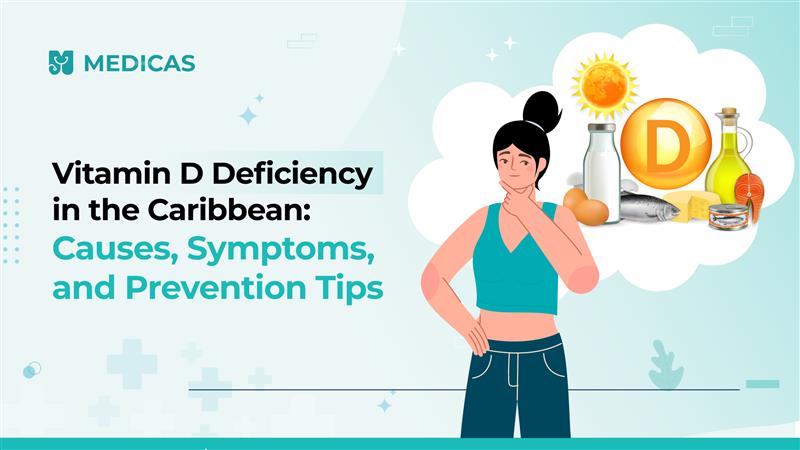
Including foods rich in vitamin D in your diet can significantly boost your vitamin D levels. Fatty fish, such as salmon, tuna, and mackerel, are excellent sources. Fortified foods, like milk, yoghurt, and cereals, also contribute to vitamin D intake. Additionally, egg yolks and cheese contain small amounts of vitamin D. Plan your meals around these vitamin D sources to increase your daily intake.Vitamin D-Rich Foods for Vegetarians
For vegetarians, finding adequate vitamin D-rich foods can be challenging, but is certainly achievable. Fortified plant-based milk alternatives (almond, soy, oat), fortified cereals, and certain types of mushrooms exposed to UV light are good options. Supplements for vitamin D deficiency tailored for vegetarians are also available and can be a reliable way to meet your vitamin D requirements. Make sure to read labels carefully to choose fortified foods with sufficient vitamin D content.Role of Sunlight in Vitamin D Production
Sunlight plays a crucial role in vitamin D production. When your skin is exposed to sunlight, it synthesises vitamin D. The amount of vitamin D produced depends on factors such as the time of day, season, latitude, and skin pigmentation. Aim for at least 15-20 minutes of sun exposure daily, preferably during midday when the sun’s rays are strongest. However, be mindful of the risks of excessive sun exposure, such as sunburn and skin cancer. For personalised guidance, you can always book an appointment with a healthcare professional.Supplements for Vitamin D Deficiency
When dietary and sunlight sources are insufficient, supplements for vitamin d deficiency can be an effective solution. Vitamin D supplements are available in two forms: D2 (ergocalciferol) and D3 (cholecalciferol). Vitamin D3 is generally considered more effective at raising vitamin D levels in the blood. Consult with a healthcare provider to determine the appropriate dosage based on your individual needs and current vitamin D levels. To check your Vitamin D levels, you can Book Lab Test.How to Prevent Vitamin D Deficiency Long-Term
How to prevent vitamin D deficiency requires a combination of dietary adjustments, regular sun exposure, and, if necessary, supplementation. Monitor your vitamin D levels through regular check-ups, especially if you are at high risk of deficiency. Make a conscious effort to include vitamin D-rich foods in your diet, spend time outdoors, and consider taking a vitamin D supplement during the winter months or when sun exposure is limited. Making these lifestyle changes can help maintain optimal vitamin D levels and prevent deficiency in the long term. Consider an Online Doctor Consultation with me for personalised advice on maintaining healthy vitamin D levels.When to Consult a Doctor or Nutritionist
Knowing when to seek professional help is crucial in managing vitamin D deficiency. If you experience persistent symptoms, such as fatigue, bone pain, or muscle weakness, consult a doctor or nutritionist. Also, if you have risk factors for vitamin D deficiency, such as limited sun exposure, a restrictive diet, or certain medical conditions, seeking professional guidance is advisable. A healthcare provider can assess your vitamin D levels, determine the underlying cause of the deficiency, and recommend appropriate treatment strategies.Conclusion
Addressing vitamin D deficiency involves a multifaceted approach, including dietary adjustments, regular sun exposure, and supplementation when necessary. By understanding the causes of vitamin D deficiency, recognizing the symptoms, and implementing preventive strategies, you can maintain optimal vitamin D levels and promote overall health and well-being. Stay proactive in managing your health and consult with healthcare professionals for personalized guidance and support.Frequently Asked Questions (FAQs)
Can vitamin D deficiency cause mood changes or depression?
Yes, there is evidence linking vitamin D deficiency to mood changes and depression. Vitamin D plays a role in brain function, and low levels may affect neurotransmitters associated with mood regulation. While vitamin D supplementation may help improve mood in some individuals, it’s essential to consult with a healthcare provider for proper diagnosis and treatment of depression.Does darker skin affect vitamin D absorption?
Yes, darker skin contains more melanin, which reduces the skin’s ability to produce vitamin D from sunlight. People with darker skin may require longer sun exposure to synthesize the same amount of vitamin D as those with lighter skin. Therefore, individuals with darker skin should be particularly mindful of their vitamin D intake and consider supplementation if necessary.Is it safe to get vitamin D from sunlight every day?
Getting vitamin D from sunlight is generally safe, but moderation is key. Excessive sun exposure can increase the risk of sunburn and skin cancer. Aim for 15-20 minutes of sun exposure daily, preferably during midday, and protect your skin with sunscreen if you plan to stay in the sun for longer periods. Balance the need for vitamin D with the importance of protecting your skin from sun damage.How do I know if I need a vitamin D test?
If you experience symptoms of vitamin D deficiency, such as fatigue, bone pain, or muscle weakness, or if you have risk factors for deficiency, such as limited sun exposure or a restrictive diet, consider getting a vitamin D test. A healthcare provider can order a blood test to measure your vitamin D levels and determine if you need supplementation.What time of day is best for sunlight to get vitamin D?
The best time of day for sunlight exposure to produce vitamin D is typically midday, between 10 a.m. and 3 p.m., when the sun’s rays are strongest. During these hours, the sun’s UVB rays are most effective at triggering vitamin D synthesis in the skin. However, be mindful of the risks of excessive sun exposure and protect your skin accordingly.Disclaimer
Medical Advice: The information provided in this blog post is for educational purposes only and should not be considered as a substitute for professional medical advice, diagnosis, or treatment. Always consult with a qualified healthcare professional for personalized guidance regarding your specific medical condition.
Accuracy of Information: While we strive to provide accurate and up-to-date information, the field of medicine and viral fevers is constantly evolving. The content in this blog post may not reflect the most current research or medical guidelines. Therefore, it is advisable to cross-check any information provided with reliable sources or consult a healthcare professional.
Individual Variations: The symptoms, causes, treatment options, and preventive measures discussed in this blog post are general in nature and may not apply to everyone. It is important to remember that each individual’s situation is unique, and personalized medical advice should be sought when making healthcare decisions.
External Links: This blog post may contain links to external websites or resources for additional information. However, we do not endorse or have control over the content of these third-party websites. Accessing these links is done at your own risk, and we are not responsible for any consequences or damages that may arise from visiting these external sources.
Results May Vary: The effectiveness of treatment options or preventive measures mentioned in this blog post may vary from person to person. What works for one individual may not work the same way for another. It is essential to consult with a healthcare professional for personalized advice tailored to your specific needs