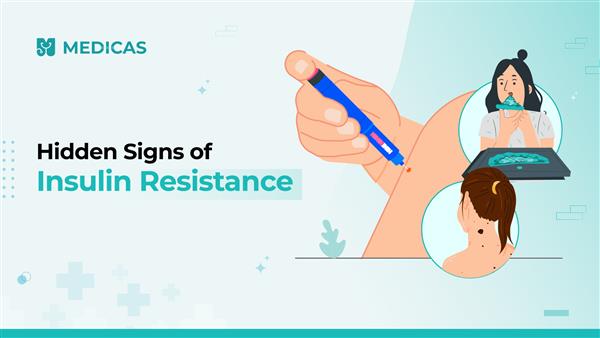
Over a third of the adult population can be insulin resistant without any realisation. The bad part is that insulin resistance symptoms can usually go unnoticed, and they contribute to the development of type 2 diabetes, heart disease, and PCOS. It is necessary to know the silent symptoms of insulin resistance so that it can be detected and prevented early.
In this blog, we are going to discover the slightest of physical and hormonal shifts that could indicate insulin resistance and what you can do to regulate it in its naturally occurring form and stage before it advances.
What Is Insulin Resistance?
Insulin resistance occurs when your body’s cells stop responding properly to insulin, the hormone responsible for moving glucose (sugar) from your blood into cells for energy. When this happens, your pancreas produces more insulin to compensate. Over time, this leads to high insulin and blood sugar levels.
This imbalance can result in weight gain, fatigue, and an increased risk of chronic diseases. Left untreated, insulin resistance may progress to prediabetes or type 2 diabetes.
Also Read: Blood Tests for Chronic Fatigue Syndrome
Early Signs and Symptoms of Insulin Resistance
The identification of the symptoms and signs of insulin resistance early can help prevent the occurrence of complications in the long run. The disease usually progresses silently with only slight physical alteration, but severe illnesses arise.
The insulin resistance symptoms and signs include:
- Weight gain, particularly in the abdomen, has no explanation.
- Fatigue even after rest
- Hunger or cravings for sugar.
- Problem losing weight even when exercising.
- Cognitive impairment or clouded thinking.
They tend to be disregarded, but they can be the first indicator that your cells are not responding to insulin well.
Early Physical Changes
Your body will give physical signals before the blood sugar levels have soared very high. Watch for:
- High waist circumference is one of the primary risk factors of insulin resistance.
- Skin tags are small soft growths on areas such as the neck or armpits.
- Dark, velvety spots (Acanthosis nigricans), particularly in the neck, elbow, or knee.
These are some physical signs of being insulin resistant, and they are some of the first signs of hormone disproportion . If you notice these changes, it’s best to book an appointment with an endocrinologist for a thorough evaluation and early management.
Skin and Hormonal Indicators
Insulin influences metabolism and hormones. The causes of hormonal imbalance may result in:
- Excessive insulin and androgen secretion cause acne and oily skin.
- Women have thinning hair or more facial hair.
- Menstrual anomalies and infertility.
These symptoms may present long before insulin resistance is officially diagnosed, especially in women of childbearing age.
Insulin Resistance Symptoms in Females
Females are prone to the presence of insulin resistance symptoms associated with hormonal disorders such as Polycystic Ovary Syndrome (PCOS). This complex is termed PCOS insulin resistance and is indicated by:
- Irregular or missed periods
- Hirsutism (undesirable hair growth).
- Weight gain around the waist
- Ovarian cysts
- Persistent acne
Also Read: Is Infertility Genetic? Exploring the Role of Genetics in Reproductive Challenges
Insulin Resistance Symptoms in Males
Insulin resistance symptoms in males are:
- Decreased testosterone and decreased libido.
- Additional belly fat or “spare tyre”.
- Fatigue and mood swings
- Brain fog or poor focus
- Decreased muscle mass
Insulin Resistance During Pregnancy
The development of insulin resistance during pregnancy is normal because hormonal changes occur, particularly in the second and third trimesters. Although mild resistance is a normal condition, extreme cases of insulin resistance can give rise to gestational diabetes.
The signs of insulin resistance during pregnancy are:
- Unusual fatigue
- Excessive thirst or hunger
- Frequent urination
- Sudden weight gain
If you spot these changes during pregnancy, please speak to a gynaecologist immediately. Early consultation can help manage your blood sugar levels, protect your baby’s health, and ensure a safe pregnancy journey.
High and Severe Insulin Resistance Symptoms
The symptoms intensify and become more difficult to disregard when the resistance against insulin develops. High insulin resistance symptoms include:
- Feeling of brain fog and perpetual fatigue.
- Hunger, particularly cravings for carbohydrates and sweets.
- Abnormal level of cholesterol or triglycerides.
- Elevated blood pressure
- Constant abdominal obesity.
Health Risks Linked to Untreated Insulin Resistance
Neglecting insulin-resistant symptoms may result in severe health issues, such as:
- Type 2 diabetes
- Heart disease
- Obesity and metabolic syndrome.
- Fatty liver disease without alcoholism.
- Impotence in PCOS women.
Also Read: Early Signs of Diabetes Most Indians Get Wrong.
How to Detect Insulin Resistance Early
Insulin resistance is a progressive process, and hence both blood tests and clinical observation may be needed to diagnose it. Your doctor may recommend:
- Fasting glucose test
- Fasting insulin test
- HbA1c (glycated haemoglobin)
- BMI (to assess obesity)
Managing Insulin Resistance Naturally
The positive aspect is that insulin resistance at an early age can be corrected without using drugs. Here’s how:
- Eat a healthy diet: Focus on whole grains, vegetables, lean foods, and healthy fats. Do not consume processed sugars or refined carbs.
- Regular exercise: Aerobic exercise and resistance training enhance insulin sensitivity.
- Have a normal weight: A 5-10% decrease is also able to improve insulin response.
- Adequate sleep: Inadequate sleep influences the control of insulin and cortisol.
- Control stress: Stress in the long term raises cortisol, and this aggravates insulin resistance.
When to Consult a Doctor
When you feel constantly tired, you gain weight, or you have any other insulin resistance symptoms, do not disregard them. Book an online doctor consultation if:
- There is a history of diabetes or PCOS in your family.
- You have a hormonal imbalance.
- You are chubby and always hungry or way too tired.
Conclusion: Listen to the Silent Signals
Insulin resistance often whispers before it shouts. The silent symptoms of insulin resistance are fatigue, skin changes, cravings, or irregular periods, which may seem harmless but are early warnings of deeper metabolic imbalance.
By identifying these signs early and making lifestyle changes, you can prevent diabetes and related conditions. Small daily choices like mindful eating, regular movement, and routine check-ups can have a powerful effect on your long-term health.
If you suspect insulin resistance, schedule a doctor appointment today to take control of your metabolic health.
Frequently Asked Questions (FAQs)
What are the early signs of insulin resistance?
Early signs include fatigue, sugar cravings, weight gain around the abdomen, and dark skin patches, especially around the neck or armpits.
What are the red flags of insulin resistance?
Red flags include constant hunger, skin tags, high triglycerides, irregular periods, and persistent tiredness despite enough rest.
How do I determine if I’m insulin-resistant?
A fasting glucose or insulin test and HOMA-IR index help detect insulin resistance. Regular monitoring is key if you have risk factors like PCOS or obesity.
Can pregnancy trigger insulin resistance?
Yes, pregnancy hormones can reduce insulin sensitivity, especially in the later stages, potentially leading to gestational diabetes if unmanaged.
Disclaimer
Medical Advice: The information provided in this blog post is for educational purposes only and should not be considered as a substitute for professional medical advice, diagnosis, or treatment. Always consult with a qualified healthcare professional for personalized guidance regarding your specific medical condition.
Accuracy of Information: While we strive to provide accurate and up-to-date information, the field of medicine and viral fevers is constantly evolving. The content in this blog post may not reflect the most current research or medical guidelines. Therefore, it is advisable to cross-check any information provided with reliable sources or consult a healthcare professional.
Individual Variations: The symptoms, causes, treatment options, and preventive measures discussed in this blog post are general in nature and may not apply to everyone. It is important to remember that each individual’s situation is unique, and personalized medical advice should be sought when making healthcare decisions.
External Links: This blog post may contain links to external websites or resources for additional information. However, we do not endorse or have control over the content of these third-party websites. Accessing these links is done at your own risk, and we are not responsible for any consequences or damages that may arise from visiting these external sources.
Results May Vary: The effectiveness of treatment options or preventive measures mentioned in this blog post may vary from person to person. What works for one individual may not work the same way for another. It is essential to consult with a healthcare professional for personalized advice tailored to your specific needs