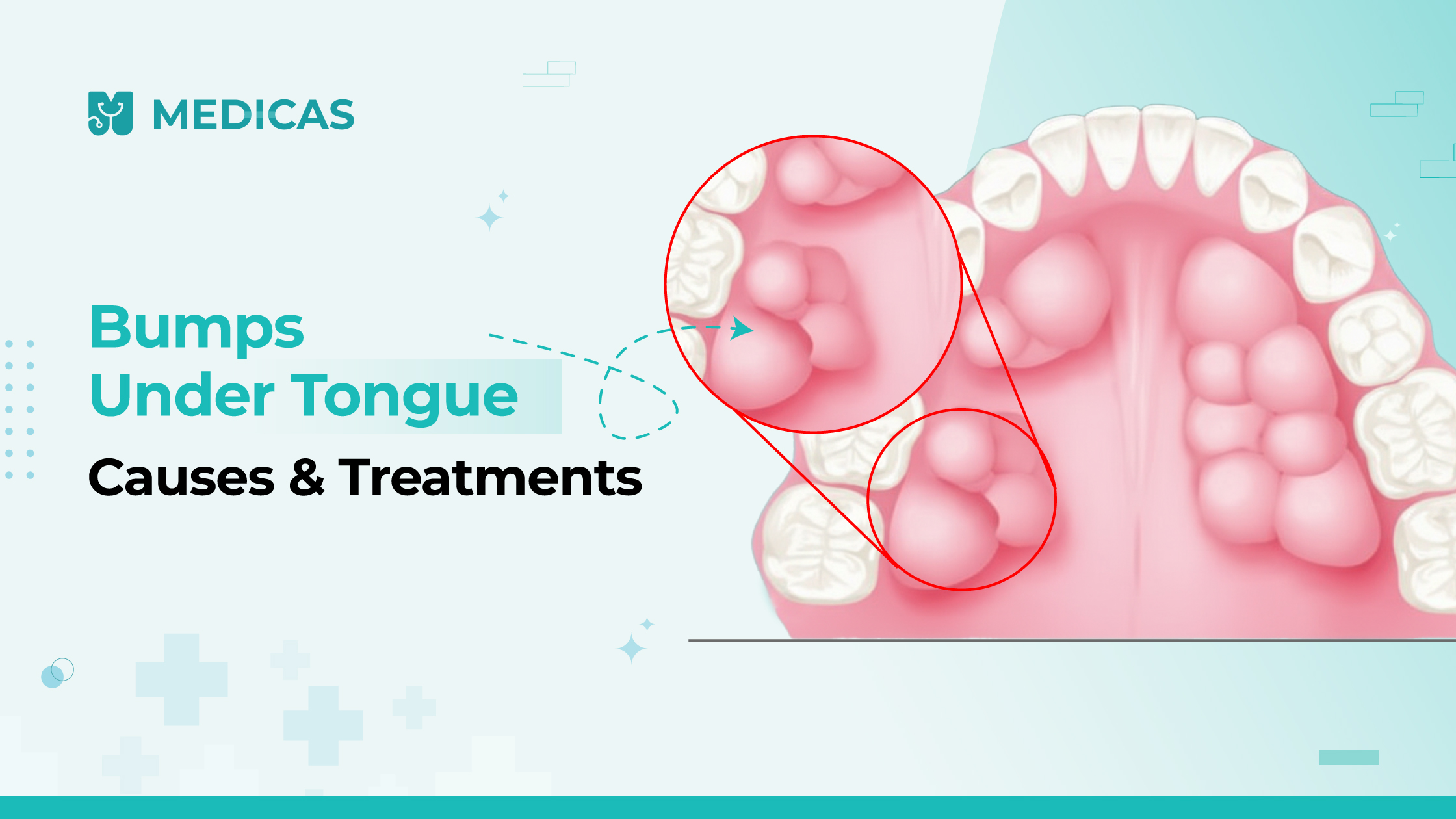
Finding a bumps under tongue can be alarming, but often, they are harmless and temporary. Understanding the potential causes and knowing when to seek medical advice can help ease your concerns. This guide provides a comprehensive overview of bumps on the tongue, including symptoms, diagnosis, treatment, and prevention.
Understanding Tongue Bumps: Are They Normal?
Discovering a bump on your tongue can be unsettling, but it’s important to know that many tongue bumps are benign and resolve on their own. These bumps can vary in size, shape, and location, and their presence doesn’t automatically indicate a serious problem. However, being aware of what’s normal for your tongue and recognizing when something has changed is key to maintaining good oral health.
Occasional bumps on the tongue are often related to minor irritations or infections. Distinguishing between temporary annoyances and potentially concerning symptoms is crucial. If a bump persists for more than a week or is accompanied by other troubling symptoms, seeking medical advice is advisable.
Common Causes of Bumps on the Tongue
Several factors can lead to the development of bumps on tongue. These range from minor irritations to more significant health issues. Here are some of the most common causes:
- Trauma or Injury: Accidentally biting your tongue or scraping it against sharp food can cause a bump to form.
- Canker Sores: These small, painful ulcers can appear on the tongue and are often triggered by stress or certain foods.
- Irritation: Habits like teeth grinding or constant rubbing against dental appliances can irritate the tongue and lead to bumps.
- Infections: Viral or bacterial infections can sometimes manifest as bumps on the tongue.
- Allergic Reactions: Certain foods or medications can cause an allergic reaction resulting in tongue inflammation and bumps.
What Causes a Bump on the Tongue?
Delving deeper into the causes, specific conditions are often responsible for these oral anomalies. Understanding these can help you better manage and address the issue.
- Fungal Infections: Oral thrush, a fungal infection caused by Candida yeast, can present as white or yellowish bumps on the tongue.
- Viral Infections: Viruses like herpes simplex can cause painful blisters on the tongue and around the mouth.
- Syphilis: This sexually transmitted infection can cause painless sores called chancres to develop on the tongue.
- Scarlet Fever: This bacterial illness can cause the tongue to appear red and bumpy, often referred to as “strawberry tongue.”
Bumps on the Back of the Tongue: What They Mean
Bumps on the back of tongue can be particularly alarming because they are often difficult to see. In many cases, these bumps are simply normal structures, but sometimes they can indicate an underlying issue.
- Circumvallate Papillae: These are large, normal papillae located at the back of the tongue. They contain taste buds and can sometimes appear more prominent.
- Lingual Tonsils: These are small masses of lymphatic tissue located at the base of the tongue. They can become inflamed and enlarged, especially during an infection.
- Infections: Viral or bacterial infections can affect the lingual tonsils, causing them to swell and appear as bumps.
Lump at the Back of the Tongue: When to Be Concerned
While most lump at the back of my tongue are benign, certain signs warrant medical attention. Being vigilant and recognizing concerning symptoms can help in early detection and treatment.
- Persistent Lump: A lump that doesn’t go away after a few weeks should be evaluated by a healthcare professional.
- Pain or Discomfort: If the lump is causing significant pain, difficulty swallowing, or ear pain, it’s important to seek medical advice.
- Changes in Size or Shape: Any noticeable changes in the size, shape, or texture of the lump should be checked by a doctor.
- Accompanying Symptoms: Symptoms such as fever, weight loss, or swollen lymph nodes in the neck can indicate a more serious condition.
Symptoms That Accompany Tongue Bumps
Understanding accompanying symptoms can provide clues about the underlying cause of tongue bumps. Common symptoms that may occur alongside tongue bumps include:
- Pain or Tenderness: Bumps can be painful to the touch or cause discomfort when eating or speaking.
- Burning Sensation: Some bumps may cause a burning sensation on the tongue.
- Difficulty Swallowing: Large or painful bumps can make swallowing difficult.
- Changes in Taste: Bumps affecting taste buds can alter your sense of taste.
- Redness or Inflammation: The area around the bump may appear red or inflamed.
Temporary vs. Persistent Tongue Bumps
Distinguishing between temporary and persistent tongue bumps is crucial for determining the appropriate course of action. Temporary bumps often resolve on their own within a few days to a week, while persistent bumps may require medical intervention.
- Temporary Bumps: These are usually caused by minor irritations, such as biting your tongue or eating spicy foods. They typically heal quickly without treatment.
- Persistent Bumps: Bumps that last for more than a week or recur frequently may indicate an underlying condition that needs medical evaluation.
Risk Factors for Tongue Bumps
Certain factors can increase your risk of developing tongue bumps. Being aware of these risk factors can help you take preventive measures.
- Poor Oral Hygiene: Inadequate brushing and flossing can lead to bacterial and fungal infections in the mouth.
- Smoking or Tobacco Use: Tobacco products can irritate the tongue and increase the risk of oral lesions.
- Alcohol Consumption: Excessive alcohol intake can also irritate the tongue and contribute to oral health problems.
- Weakened Immune System: Conditions that weaken the immune system, such as HIV/AIDS or autoimmune disorders, can increase the risk of oral infections.
- Certain Medications: Some medications can cause dry mouth or other side effects that make the tongue more susceptible to bumps.
Diagnosis: How Doctors Identify the Cause of Tongue Bumps
When you see a doctor for bumps under tongue, they will conduct a thorough examination to determine the underlying cause. This may include:
- Medical History: The doctor will ask about your symptoms, medical history, and any medications you are taking.
- Physical Examination: The doctor will examine your tongue, mouth, and throat to look for any abnormalities.
- Biopsy: In some cases, a biopsy may be necessary to determine the cause of the bump. This involves taking a small sample of tissue for examination under a microscope.
- Blood Tests: Blood tests may be ordered to check for infections or other underlying conditions.
At-Home Care Tips for Minor Tongue Bumps
For minor bumps on tongue, several at-home care tips can help alleviate symptoms and promote healing:
- Saltwater Rinse: Rinse your mouth with warm salt water several times a day to reduce inflammation and promote healing.
- Avoid Irritants: Avoid spicy, acidic, or hot foods that can irritate the tongue.
- Maintain Good Oral Hygiene: Brush and floss your teeth regularly to prevent infection.
- Over-the-Counter Pain Relief: Use over-the-counter pain relievers, such as ibuprofen or acetaminophen, to manage pain.
- Topical Anesthetics: Apply topical anesthetics, such as benzocaine, to numb the area and relieve pain.
Medical Treatments for Severe or Persistent Tongue Bumps
If what cause a bump on the tongue is a more serious condition, medical treatments may be necessary. These treatments may include:
- Antibiotics: If the bump is caused by a bacterial infection, antibiotics may be prescribed.
- Antifungal Medications: For fungal infections like oral thrush, antifungal medications may be used.
- Antiviral Medications: Viral infections like herpes may require antiviral medications.
- Corticosteroids: In some cases, corticosteroids may be prescribed to reduce inflammation.
- Surgery: In rare cases, surgery may be necessary to remove a persistent or suspicious lump.
Oral Hygiene Practices to Prevent Tongue Issues
Maintaining good oral hygiene is essential for preventing tongue bumps and other oral health problems. Here are some key practices:
- Brush Your Teeth Regularly: Brush your teeth at least twice a day with fluoride toothpaste.
- Floss Daily: Floss between your teeth daily to remove plaque and debris.
- Use Mouthwash: Use an antiseptic mouthwash to kill bacteria and freshen your breath.
- Clean Your Tongue: Use a tongue scraper or brush to remove bacteria and debris from the surface of your tongue.
- Visit Your Dentist Regularly: Schedule regular dental checkups and cleanings to maintain good oral health.
When to See a Doctor for Bumps Under Your Tongue
Knowing when to seek medical attention for bumps under tongue is crucial. Consult a doctor if:
- The bump persists for more than a week.
- The bump is causing significant pain or discomfort.
- You have difficulty swallowing or speaking.
- You notice changes in the size, shape, or color of the bump.
- You develop other symptoms, such as fever, weight loss, or swollen lymph nodes.
If you are concerned about bumps under your tongue, you can get an Online Doctor Consultation with a qualified medical professional.
Conclusion: Understanding and Managing Tongue Bumps
Bumps under tongue are a common occurrence and are often benign. Understanding the potential causes, recognizing concerning symptoms, and practicing good oral hygiene can help you manage and prevent these issues. However, if you have any concerns, don’t hesitate to seek medical advice.
Regular check-ups and prompt attention to any unusual symptoms can ensure early diagnosis and treatment, contributing to better oral and overall health.
Frequently Asked Questions
What causes bumps under or on the tongue?
Bumps on the tongue can be caused by various factors, including trauma, canker sores, infections, allergic reactions, and certain medical conditions. Poor oral hygiene, smoking, and excessive alcohol consumption can also contribute to their development.
Are tongue bumps a sign of infection or something serious?
While many tongue bumps are harmless and temporary, some can indicate an infection or a more serious underlying condition. Persistent bumps, especially those accompanied by pain, difficulty swallowing, or other concerning symptoms, should be evaluated by a healthcare professional.
How do you treat bumps on the back of the tongue?
Treatment for bumps on the back of the tongue depends on the underlying cause. Minor irritations may resolve with simple at-home care, such as saltwater rinses and avoiding irritants. Infections may require antibiotics or antifungal medications. In some cases, medical intervention may be necessary to remove or treat the bumps. Maintaining good oral hygiene can also help prevent future occurrences.If you are required to Book Lab Test please do so immediately.
When should I see a doctor for tongue bumps?
You should see a doctor for tongue bumps if they persist for more than a week, cause significant pain or discomfort, make it difficult to swallow or speak, change in size or shape, or are accompanied by other symptoms like fever or swollen lymph nodes. Early diagnosis and treatment can help prevent complications and ensure better outcomes. If you are looking to Book appointment with a doctor please do so at the earliest
Disclaimer
Medical Advice: The information provided in this blog post is for educational purposes only and should not be considered as a substitute for professional medical advice, diagnosis, or treatment. Always consult with a qualified healthcare professional for personalized guidance regarding your specific medical condition.
Accuracy of Information: While we strive to provide accurate and up-to-date information, the field of medicine and viral fevers is constantly evolving. The content in this blog post may not reflect the most current research or medical guidelines. Therefore, it is advisable to cross-check any information provided with reliable sources or consult a healthcare professional.
Individual Variations: The symptoms, causes, treatment options, and preventive measures discussed in this blog post are general in nature and may not apply to everyone. It is important to remember that each individual’s situation is unique, and personalized medical advice should be sought when making healthcare decisions.
External Links: This blog post may contain links to external websites or resources for additional information. However, we do not endorse or have control over the content of these third-party websites. Accessing these links is done at your own risk, and we are not responsible for any consequences or damages that may arise from visiting these external sources.
Results May Vary: The effectiveness of treatment options or preventive measures mentioned in this blog post may vary from person to person. What works for one individual may not work the same way for another. It is essential to consult with a healthcare professional for personalized advice tailored to your specific needs