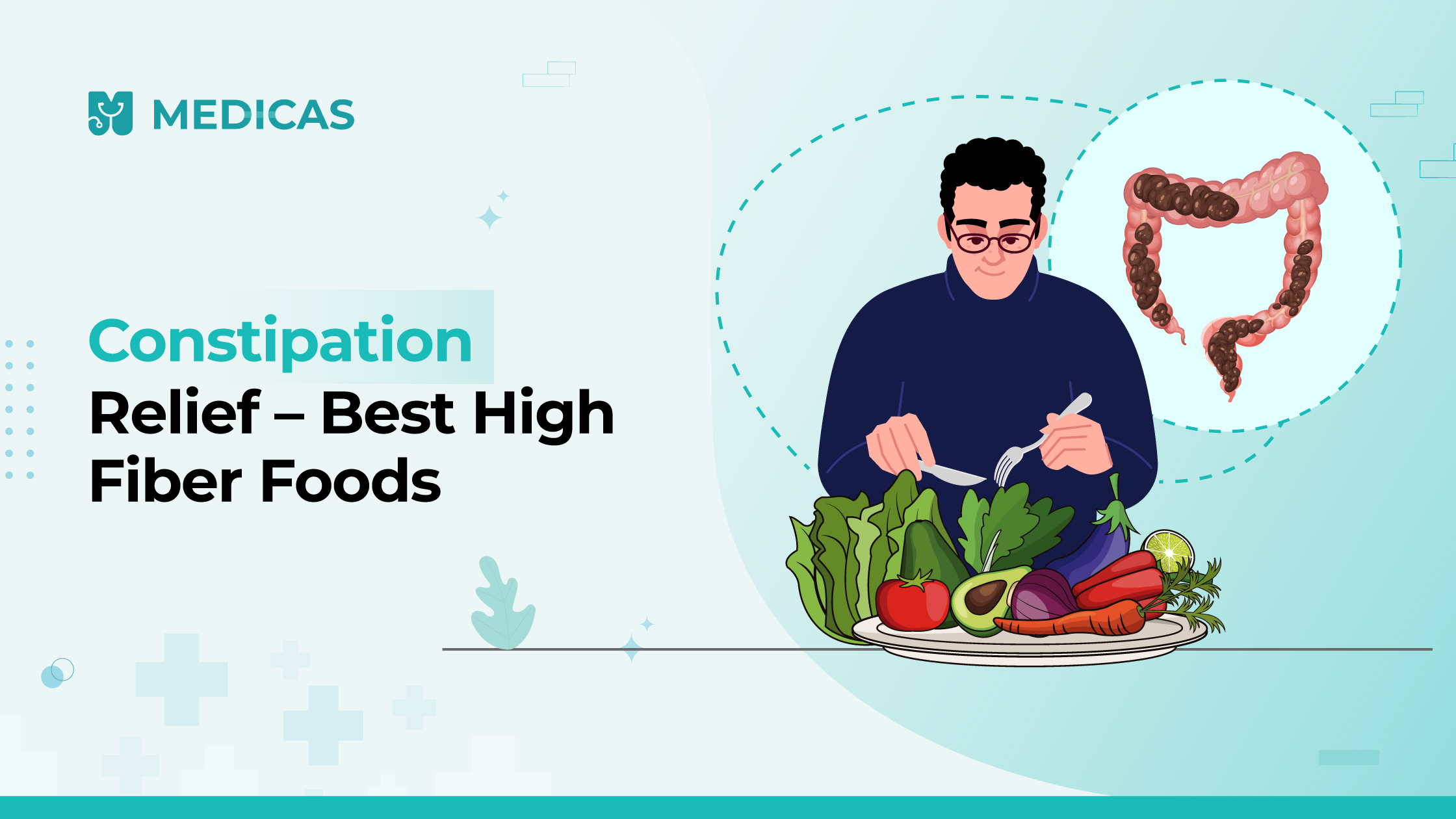
Dealing with constipation can be frustrating and uncomfortable. The good news is that often, the solution is as simple as incorporating more fibre and constipation relief methods into your diet. This comprehensive guide explores how fibre can be a game-changer for your digestive health, offering practical tips and advice to help you find lasting relief.
Understanding Constipation and Its Impact on Digestion
Constipation is a common condition characterised by infrequent bowel movements or difficulty passing stools. It can significantly impact your daily life, leading to discomfort, bloating, and even abdominal pain. Understanding the causes and effects of constipation is the first step towards finding effective relief. Many search for remedies for constipation online to understand the root cause of constipation and its effects on the digestive system. Often, people look for options on how to rid constipation with minimal effort.
Common Causes of Constipation
Several factors can contribute to constipation. Some of the most common include:
- Low-Fibre Diet: Insufficient fibre intake is a primary cause.
- Dehydration: Not drinking enough water can harden stools.
- Lack of Physical Activity: A sedentary lifestyle can slow down bowel movements.
- Certain Medications: Some medications can cause constipation as a side effect.
- Ignoring the Urge: Delaying bowel movements can lead to constipation.
Addressing these factors can often alleviate constipation and improve digestive health.
How Fibre Helps Relieve Constipation
Fibre is a type of carbohydrate that the body cannot digest. It adds bulk to the stool, making it easier to pass. Fibre also helps to retain water, softening the stool and preventing it from becoming dry and hard. Consuming enough fibre is essential for maintaining regular bowel movements and preventing constipation.
Types of Fibre: Soluble vs. Insoluble
There are two main types of fibre: soluble and insoluble. Each type plays a unique role in digestive health. Understanding the difference can help you choose the right foods to treat constipation and maintain a healthy gut.
- Soluble Fiber: Dissolves in water to form a gel-like substance. It helps lower cholesterol and regulate blood sugar levels. Good sources include oats, beans, and apples.
- Insoluble Fiber: Does not dissolve in water. It adds bulk to the stool and helps it move through the digestive system more quickly. Good sources include whole wheat, vegetables, and bran.
Also Read: Superfoods for Boosting Immunity
Best High-Fibre Foods for Constipation Relief
Incorporating high-fibre foods into your diet is a natural and effective way to relieve constipation. Here are some of the best options:
- Fruits: Apples, bananas, berries, pears
- Vegetables: Broccoli, Brussels sprouts, carrots, spinach
- Legumes: Beans, lentils, peas
- Whole Grains: Oatmeal, brown rice, whole wheat bread
- Nuts and Seeds: Almonds, chia seeds, flaxseeds
Aim to include a variety of these foods in your daily meals to ensure you’re getting a good mix of both soluble and insoluble fibre. For personalised diet planning and ongoing support, consult a nutritionist on Medicas.
Fibre-Enriched Foods to Improve Gut Health
In addition to naturally high-fibre foods, many products are now enriched with fibre. These can be a convenient way to boost your fibre intake. Look for options like:
- Fiber-enriched cereals
- Fiber-added yogurts
- Fiber-fortified breads
Be sure to read the labels and choose products that are low in added sugar and unhealthy fats.
Natural Ways to Relieve Constipation at Home
Besides diet, several other natural methods can help relieve constipation:
- Stay Hydrated: Drink plenty of water throughout the day.
- Exercise Regularly: Physical activity stimulates bowel movements.
- Try a Warm Drink: A cup of warm water or herbal tea in the morning can help.
- Massage Your Abdomen: Gentle massage can stimulate the intestines.
In case you need more personalised support, you can consult me on Medicas.
Home Remedies for Constipation
When constipation strikes, several home remedies can provide relief:
- Prune Juice: A natural laxative that helps soften stools.
- Flaxseeds: Add ground flaxseeds to your meals for a fiber boost.
- Castor Oil: Can stimulate bowel movements (use with caution).
- Epsom Salt Bath: Relaxes muscles and can ease bowel movements.
Always consult with a healthcare professional before trying new home remedies, especially if you have underlying health conditions.
Also Read: 10 High-Protein Foods for a Healthier You
How to Treat Constipation: Quick and Effective Tips
For quick relief from constipation, consider these tips:
- Over-the-Counter Laxatives: Use sparingly and as directed.
- Stool Softeners: Can help make stools easier to pass.
- Enemas or Suppositories: Provide immediate relief for severe constipation.
These methods should be used as a short-term solution, not as a replacement for a healthy diet and lifestyle.
Foods to Aid Constipation Recovery
Certain foods can help you recover from a bout of constipation and get your digestive system back on track. Focus on:
- Probiotic-Rich Foods: Yoghurt, kefir, and sauerkraut can improve gut health.
- Hydrating Fruits: Watermelon and cucumbers help keep you hydrated.
- Leafy Greens: Provide essential nutrients and fibre.
Avoid processed foods, sugary drinks, and excessive amounts of dairy, as these can worsen constipation. Timely consultation can help you manage constipation effectively and prevent long-term complications. For expert guidance on a high-fibre diet, book an online doctor consultation on Medicas.
Lifestyle Habits to Prevent Constipation
Making long-term lifestyle changes is key to preventing constipation. Consider these habits:
- Establish a Routine: Try to have bowel movements at the same time each day.
- Listen to Your Body: Don’t ignore the urge to go.
- Manage Stress: Stress can affect digestion, so practice relaxation techniques.
Also Read: Superfoods for Boosting Immunity
When to See a Doctor for Chronic Constipation
While most cases of constipation can be managed with diet and lifestyle changes, it’s important to seek medical advice if you experience:
- Severe Abdominal Pain
- Blood in Stool
- Unexplained Weight Loss
- Constipation Lasting Longer Than Three Weeks
These symptoms could indicate a more serious underlying condition.
It’s always a good idea to Book An Appointment with a healthcare practitioner to discuss your health concerns.
Myths About Constipation and Fibre
There are many misconceptions about constipation and fibre. Let’s debunk some common myths:
| Myth | Fact |
| You need to have a bowel movement every day. | Normal bowel habits vary from person to person. |
| Fibre is the only solution for constipation. | While fibre is important, other factors like hydration and exercise also play a role. |
| All fibre is the same. | Soluble and insoluble fibre have different effects on the body. |
Conclusion: Build a Fibre-Rich Diet for a Healthy Gut
Incorporating more fibre into your diet is a simple yet powerful way to relieve and prevent constipation. By understanding the different types of fiber, choosing the right foods, and adopting healthy lifestyle habits, you can improve your digestive health and enjoy a more comfortable life. Don’t forget to Book Lab Test to know more about your health vitals.
Frequently Asked Questions (FAQs)
How does fiber help relieve constipation naturally?
Fiber adds bulk to the stool and helps retain water, making it easier to pass through the digestive system. This natural process prevents constipation and promotes regular bowel movements.
What are the best high-fiber foods to prevent constipation?
The best high-fiber foods include fruits (apples, berries), vegetables (broccoli, spinach), legumes (beans, lentils), whole grains (oatmeal, brown rice), and nuts and seeds (almonds, chia seeds). These foods provide a mix of soluble and insoluble fiber, essential for digestive health. Remember to Book appointment with your doctor for a diet plan.
Are there any home remedies for quick constipation relief?
Yes, several home remedies can provide quick relief. Prune juice is a natural laxative. Flaxseeds add fiber to your diet. A warm drink in the morning can stimulate bowel movements. However, consult a healthcare professional before trying new remedies.
When should I consult a doctor for constipation problems?
You should consult a doctor if you experience severe abdominal pain, blood in the stool, unexplained weight loss, or constipation lasting longer than three weeks. These symptoms could indicate a more serious underlying condition that requires medical attention.
Disclaimer
Medical Advice: The information provided in this blog post is for educational purposes only and should not be considered as a substitute for professional medical advice, diagnosis, or treatment. Always consult with a qualified healthcare professional for personalized guidance regarding your specific medical condition.
Accuracy of Information: While we strive to provide accurate and up-to-date information, the field of medicine and viral fevers is constantly evolving. The content in this blog post may not reflect the most current research or medical guidelines. Therefore, it is advisable to cross-check any information provided with reliable sources or consult a healthcare professional.
Individual Variations: The symptoms, causes, treatment options, and preventive measures discussed in this blog post are general in nature and may not apply to everyone. It is important to remember that each individual’s situation is unique, and personalized medical advice should be sought when making healthcare decisions.
External Links: This blog post may contain links to external websites or resources for additional information. However, we do not endorse or have control over the content of these third-party websites. Accessing these links is done at your own risk, and we are not responsible for any consequences or damages that may arise from visiting these external sources.
Results May Vary: The effectiveness of treatment options or preventive measures mentioned in this blog post may vary from person to person. What works for one individual may not work the same way for another. It is essential to consult with a healthcare professional for personalized advice tailored to your specific needs