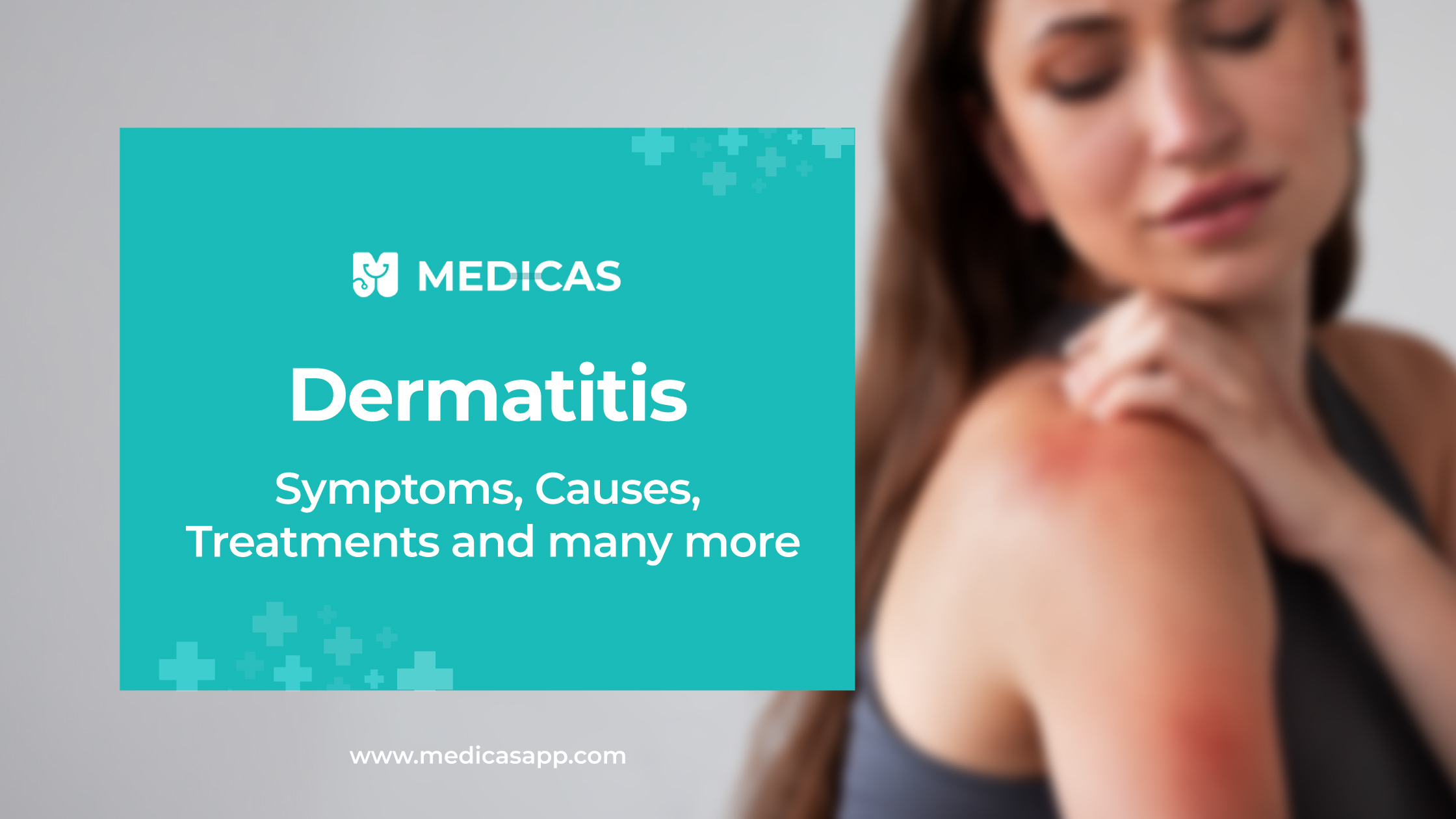
Dermatitis, a common skin condition, manifests as inflammation causing itchy, dry, and often painful rashes. It’s not contagious, but it can be persistent and uncomfortable. Understanding dermatitis—its causes, symptoms, and treatment options—is crucial for managing this condition effectively. Imagine your skin as a finely tuned instrument; dermatitis is like a discord in its harmony. This article aims to bring clarity and actionable information to those affected by dermatitis, empowering you to take control of your skin health. Did you know that there are several types of dermatitis, each with unique triggers? Keep reading to learn more!
Table of Contents
Common Symptoms of Dermatitis
Dermatitis presents a variety of symptoms that can vary in intensity. The most common include:
- Itchy skin: This is often the most bothersome symptom, leading to scratching and further irritation.
- Dry, flaky skin: The skin may appear rough and scaly, especially in colder months.
- Redness and inflammation: Affected areas become visibly red and swollen.
- Rashes: These can appear as small bumps, blisters, or large, inflamed patches.
- Thickened, leathery skin: Chronic scratching can lead to skin thickening.
- Oozing and crusting: In some cases, the skin may weep clear fluid or develop crusts.
Symptoms can flare up periodically, with periods of remission in between. The location and appearance of symptoms can also help determine the specific type of dermatitis. Remember, identifying these symptoms early is the first step toward effective management. Are you experiencing any of these symptoms? It might be time to consult a dermatologist. An Online Doctor Consultation can be a great starting point.
Major Causes of Dermatitis
The causes of dermatitis are multifaceted and often involve a combination of factors. These include:
- Genetics: A family history of dermatitis, asthma, or hay fever increases your risk.
- Immune system dysfunction: An overactive immune system can trigger inflammation in response to harmless substances.
- Environmental factors: Allergens, irritants, and weather conditions can exacerbate dermatitis.
- Irritants: Soaps, detergents, fragrances, and certain fabrics can irritate the skin.
- Allergens: Pollen, pet dander, mold, and certain foods can trigger allergic reactions leading to dermatitis.
- Stress: Emotional stress can worsen dermatitis symptoms.
Identifying and avoiding triggers is crucial in managing dermatitis. Think of your skin as a detective, constantly gathering clues about its environment. By paying attention to what irritates it, you can help reduce flare-ups. Sometimes, the culprit is something as simple as a new laundry detergent!
Risks associated with Dermatitis
The risks associated with dermatitis can vary depending on the type and severity of the condition. Understanding these risks can help you take proactive steps to manage your skin health:
- Secondary Infections: Constant scratching can break the skin, increasing the risk of bacterial or fungal infections.
- Sleep Disturbances: Intense itching can disrupt sleep, leading to fatigue and reduced quality of life.
- Skin Thickening and Scarring: Chronic scratching can cause the skin to thicken (lichenification) and potentially scar.
- Asthma and Allergies: People with dermatitis are more likely to develop asthma and other allergies.
- Mental Health Impact: The visible symptoms and discomfort of dermatitis can lead to anxiety and depression.
Addressing dermatitis early can minimize these risks. Managing the itch-scratch cycle is particularly important to prevent complications. Don’t underestimate the impact of dermatitis on your overall well-being. Taking care of your skin is also taking care of your mind!
Diagnosis of Dermatitis
Diagnosing dermatitis typically involves a physical examination of the skin and a review of your medical history. Your doctor may also perform the following tests:
- Skin Patch Testing: To identify specific allergens that trigger your dermatitis.
- Skin Biopsy: A small sample of skin is examined under a microscope to rule out other conditions.
- Allergy Testing: Blood tests or skin prick tests to identify potential allergens.
A thorough diagnosis is essential to determine the type of dermatitis you have and develop an effective treatment plan. Don’t hesitate to ask your doctor questions about your condition and treatment options. Remember, you are an active participant in your healthcare journey!
Prevention of Dermatitis
While it may not always be possible to prevent dermatitis entirely, there are steps you can take to minimize flare-ups:
- Moisturize Regularly: Apply moisturizers liberally, especially after bathing.
- Avoid Irritants: Use mild, fragrance-free soaps and detergents.
- Identify and Avoid Allergens: Undergo allergy testing and avoid known triggers.
- Manage Stress: Practice stress-reducing techniques such as yoga or meditation.
- Wear Protective Clothing: Protect your skin from extreme temperatures and irritants.
- Use a Humidifier: Keep indoor air moist, especially during dry seasons.
Prevention is key! Think of these measures as building a shield around your skin, protecting it from potential threats. Small changes in your daily routine can make a big difference in managing dermatitis.
Common Treatment Options for Dermatitis
Treatment for dermatitis aims to relieve symptoms, reduce inflammation, and prevent flare-ups. Common approaches include:
Lifestyle Modifications for Dermatitis
Making changes to your daily habits can significantly impact your dermatitis:
- Gentle Skin Care: Use mild, fragrance-free cleansers and moisturizers.
- Avoid Scratching: Keep nails short and consider wearing gloves at night.
- Wet Wraps: Applying cool, wet cloths to affected areas can soothe itching and reduce inflammation.
- Stress Management: Engage in relaxation techniques to reduce stress levels.
Medications for Dermatitis
Various medications can help manage dermatitis symptoms:
- Topical Corticosteroids: Reduce inflammation and itching.
- Topical Calcineurin Inhibitors: Suppress the immune system to reduce inflammation.
- Antihistamines: Relieve itching, especially at night.
- Oral Corticosteroids: Used for severe flare-ups to reduce inflammation.
- Biologics: Injectable medications that target specific parts of the immune system.
Talk to your doctor about the best treatment options for your specific condition. Treatment is not one-size-fits-all, and what works for one person may not work for another. Book Appointment with a Dermatologist now.
When to See the Doctor for Dermatitis
It’s important to consult a doctor if:
- Your symptoms are severe or worsening.
- Over-the-counter treatments are not effective.
- You suspect a skin infection.
- Dermatitis is interfering with your daily activities.
Don’t hesitate to seek professional help. Early intervention can prevent complications and improve your quality of life. Your skin is your body’s largest organ – take care of it!
Things to Consider during Treatment/Procedure
When undergoing treatment for dermatitis, consider the following:
- Adherence to Treatment Plan: Follow your doctor’s instructions carefully.
- Potential Side Effects: Be aware of potential side effects of medications.
- Long-Term Management: Dermatitis is often a chronic condition requiring ongoing management.
- Cost of Treatment: Discuss the cost of medications and procedures with your doctor.
Being informed and proactive can help you navigate the treatment process successfully. Remember, you are an active partner in your care!
Related Articles
- Eczema: Causes, Symptoms, Diagnosis, and Treatment
- Acne: Causes, Symptoms, Diagnosis, and Treatment
- Skin Cancer: Causes, Symptoms, Diagnosis, and Treatment
- Psoriasis: Causes, Symptoms, Diagnosis, and Treatment
- Melanoma: Causes, Symptoms, Diagnosis, and Treatment
- Vitiligo: Causes, Symptoms, Diagnosis, and Treatment
- Urticaria: Causes, Symptoms, Diagnosis, and Treatment
- Rash: Causes, Symptoms, Diagnosis, and Treatment
- Dandruff: Causes, Symptoms, Diagnosis, and Treatment
- Hair Loss (Alopecia): Causes, Symptoms, Diagnosis, and Treatment
- Itching (Pruritus): Causes, Symptoms, Diagnosis, and Treatment
Disclaimer
The Medicas Health Library provides general health information for educational purposes only. It is not a substitute for professional medical advice, diagnosis, or treatment. Always seek the guidance of a qualified healthcare provider with any questions you may have regarding a medical condition or treatment. While we strive to keep content accurate and up to date, medical knowledge is constantly evolving, and individual circumstances may vary. Medicas does not assume responsibility for decisions made based on this information.
Frequently Asked Questions (FAQs)
-
What is the difference between eczema and dermatitis?
Eczema is a type of dermatitis. The terms are often used interchangeably.
-
Is dermatitis contagious?
No, dermatitis is not contagious.
-
Can food allergies cause dermatitis?
Yes, food allergies can trigger dermatitis in some people, especially children.
-
How often should I moisturize my skin?
Moisturize at least twice a day, especially after bathing.
-
What kind of soap should I use if I have dermatitis?
A mild, fragrance-free soap is best, to avoid irritating your skin.
-
Can stress cause dermatitis flare-ups?
Yes, stress can worsen dermatitis symptoms.
-
Are there natural remedies for dermatitis?
Some people find relief with natural remedies like oatmeal baths or coconut oil, but it’s best to discuss these with your doctor.
-
How long does a dermatitis flare-up last?
Flare-ups can last from a few days to several weeks.
-
Can I swim with dermatitis?
Swimming is generally safe, but rinse off with fresh water and moisturize immediately afterward.
-
Is it okay to scratch my skin if I have dermatitis?
Try to avoid scratching your skin if you have dermatitis. It only worsens the irritation.
-
Can I use makeup if I have dermatitis?
Yes, use mild makeup products without too many chemicals.
-
How does weather affect dermatitis?
Very cold or very hot and humid weather may irritate the skin.
-
Does sun exposure help with dermatitis?
Moderate sun exposure may help, but too much of it can irritate the skin.
-
Can I get a lab test to identify the causes of my dermatitis?
Yes. You can Book Lab Test to identify potential allergens.
-
Are genetics related to dermatitis?
Yes, genetics are related to dermatitis.