Understanding Bleeding Gums
Table of Contents
Common Symptoms
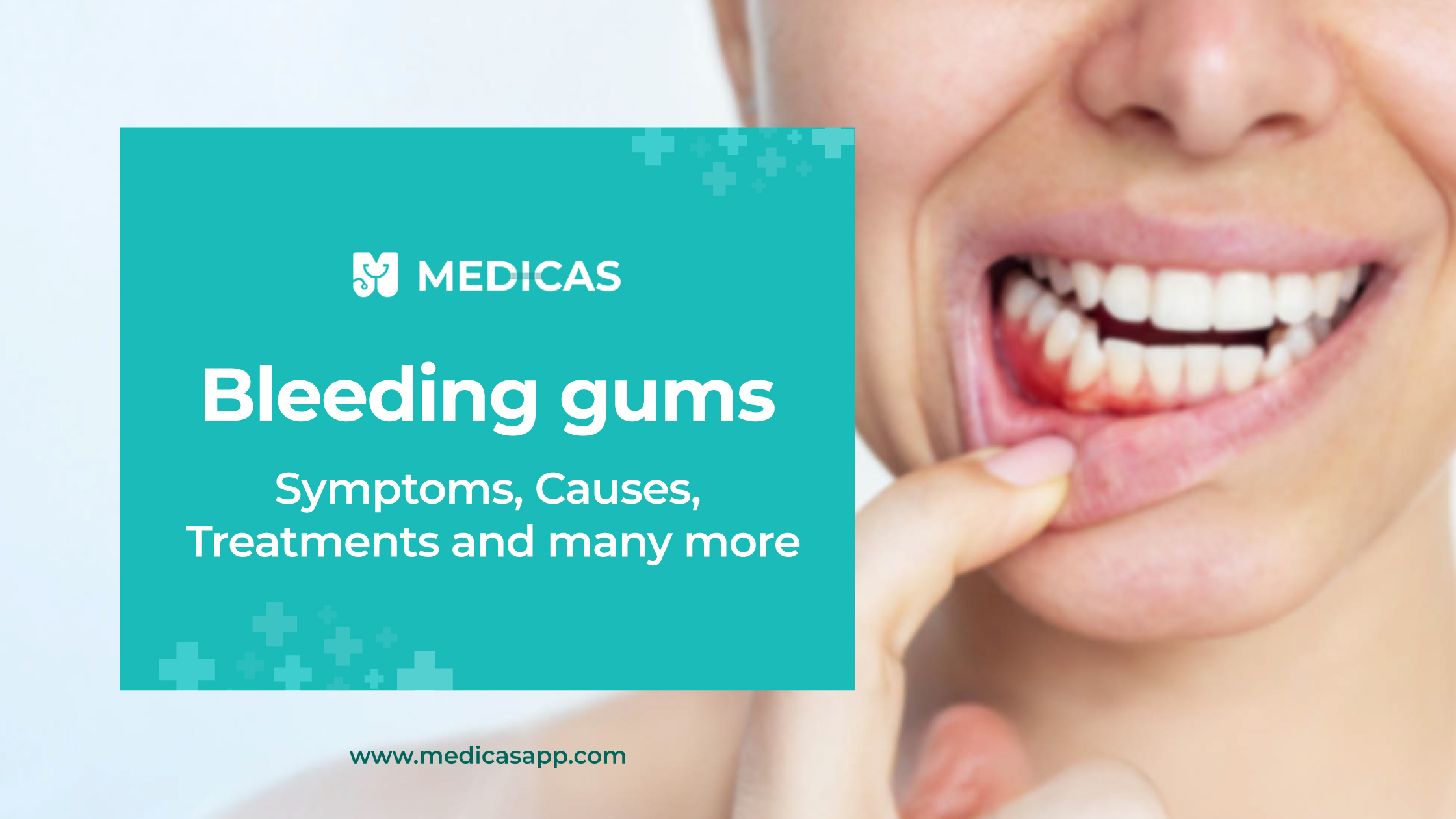
The primary symptom of bleeding gums is, unsurprisingly, blood appearing when you brush or floss your teeth. However, other related symptoms might include redness and swelling of the gums, persistent bad breath, and a receding gum line. Sometimes, even touching your gums can cause them to bleed. If you experience any of these symptoms, it’s essential to pay closer attention to your oral hygiene routine and consider seeking professional dental advice. Ignoring these early warning signs could potentially lead to more severe conditions. Are your gums throbbing or unusually sensitive? Don’t ignore it!
Major Causes
Several factors can contribute to bleeding gums. The most common culprit is poor oral hygiene, leading to plaque and tartar buildup along the gum line. This buildup irritates the gums, causing inflammation known as gingivitis. Other potential causes include:
- Gingivitis: Inflammation of the gums due to plaque buildup.
- Periodontitis: A more advanced form of gum disease that can damage the soft tissue and bone supporting your teeth.
- Aggressive Brushing: Using too much force while brushing can injure your gums.
- Poor Nutrition: A lack of essential nutrients, especially vitamin C and K, can weaken gum tissue.
- Smoking: Smoking weakens the immune system and makes it harder for your gums to heal.
- Certain Medications: Some medications, like blood thinners, can increase the risk of bleeding.
- Underlying Health Conditions: Conditions like diabetes, leukemia and pregnancy can also affect gum health.
Understanding the root cause is the first step in addressing bleeding gums effectively. If you suspect an underlying health condition, consult with your dentist or physician for proper diagnosis and treatment. Remember, maintaining optimal oral health is a holistic approach.
Risks
Ignoring bleeding gums can lead to a range of complications. Initially, you might experience persistent bad breath and discomfort. However, if left untreated, gingivitis can progress to periodontitis, a more severe form of gum disease. Periodontitis can cause irreversible damage to the bone and tissues that hold your teeth in place, eventually leading to tooth loss. Moreover, studies suggest a link between gum disease and other health problems, such as heart disease, stroke, and diabetes complications. Taking proactive steps to address bleeding gums is crucial for both your oral and overall health. Don’t let a little blood turn into a big problem!
Diagnosis
Diagnosing the cause of bleeding gums typically involves a thorough dental examination. Your dentist will assess your gums for signs of inflammation, recession, and bleeding. They may also measure the depth of the pockets between your teeth and gums to check for periodontitis. Additionally, X-rays might be taken to evaluate the condition of the underlying bone. In some cases, your dentist may recommend blood tests to rule out any underlying health conditions that could be contributing to the problem. Early and accurate diagnosis is key to preventing the progression of gum disease. Wondering what those little probes are for? Now you know!
Prevention
Preventing bleeding gums is often as simple as adopting a consistent and effective oral hygiene routine. Here are some essential preventive measures:
- Brush your teeth at least twice a day using a soft-bristled toothbrush and fluoride toothpaste.
- Floss daily to remove plaque and food particles from between your teeth.
- Use an antiseptic mouthwash to kill bacteria and reduce inflammation.
- Maintain a healthy diet rich in vitamins and minerals.
- Avoid smoking and excessive alcohol consumption.
- Schedule regular dental checkups and cleanings to remove plaque and tartar buildup.
By incorporating these habits into your daily life, you can significantly reduce your risk of developing bleeding gums and maintain optimal oral health. Remember, consistency is key!
Common Treatment Options
The treatment for bleeding gums depends on the underlying cause. In many cases, improving your oral hygiene routine and undergoing professional dental cleanings can resolve the issue. However, more advanced cases of gum disease may require additional interventions.
Lifestyle Modifications
Simple lifestyle changes can often make a significant difference in improving gum health. These include quitting smoking, reducing stress, and adopting a healthier diet. Online Doctor Consultation can give you guidance on managing stress and nutrition, which indirectly affect your dental health.
Medications
In some cases, your dentist may prescribe medications to treat bleeding gums. These might include:
- Antibiotic mouthwash: To kill bacteria and reduce inflammation.
- Antibiotic gels: Applied directly to the gums to fight infection.
- Oral antibiotics: For more severe infections.
In more severe cases of periodontitis, surgical procedures may be necessary to repair damaged tissue and bone. These procedures can include flap surgery, bone grafting, and guided tissue regeneration. Your dentist can help you determine the most appropriate treatment option based on your individual needs. Always consult with your dentist before starting any new medication or treatment.
When to See the Doctor
While minor bleeding gums might resolve with improved oral hygiene, it’s essential to seek professional dental advice if:
- Bleeding persists for more than a week.
- Your gums are severely swollen or painful.
- You have persistent bad breath.
- Your teeth are loose.
- You have a family history of gum disease.
These signs could indicate a more serious underlying condition that requires prompt treatment. Don’t hesitate to Book Appointment with your dentist if you have any concerns about your gum health. Early intervention can often prevent more serious complications.
Things to Consider During Treatment/Procedure
If you require treatment for bleeding gums, there are several things to keep in mind. First, it’s essential to follow your dentist’s instructions carefully and attend all scheduled appointments. Be sure to maintain excellent oral hygiene at home, even if your gums are sensitive. If you’re undergoing surgery, be prepared for some discomfort and swelling. Your dentist may prescribe pain medication to help manage any pain. Also, Book Lab Test if your doctor has requested it.
Frequently Asked Questions (FAQs)
-
Is bleeding gums always a sign of gum disease?
Not always. While it’s a common symptom of gum disease, it can also be caused by aggressive brushing, ill-fitting dentures, or certain medications. -
Can stress cause bleeding gums?
Yes, stress can weaken your immune system and make you more susceptible to gum infections. -
What is the best toothpaste for bleeding gums?
Fluoride toothpaste with antiseptic properties can help. Consult your dentist for specific recommendations. -
How often should I floss if I have bleeding gums?
You should floss daily, even if your gums are bleeding. It helps remove plaque and bacteria from between your teeth. -
Can I use mouthwash to stop bleeding gums?
Antiseptic mouthwash can help kill bacteria and reduce inflammation, but it’s not a substitute for brushing and flossing. -
Are electric toothbrushes better for bleeding gums?
Electric toothbrushes with soft bristles can be gentler on gums. Look for one with a pressure sensor to avoid brushing too hard. -
Is it normal for pregnant women to experience bleeding gums?
Yes, hormonal changes during pregnancy can make gums more sensitive and prone to bleeding. -
Can certain foods cause bleeding gums?
Foods high in sugar and carbohydrates can contribute to plaque buildup, which may irritate the gums. -
Will oil pulling help with bleeding gums?
While some people find oil pulling beneficial, there isn’t enough scientific evidence to prove its effectiveness. It should not replace conventional dental care. -
Is there a link between bleeding gums and heart disease?
Research suggests a possible link between gum disease and heart disease, as both involve inflammation in the body. -
How long does it take for bleeding gums to heal?
With proper oral hygiene, mild cases can improve within one to two weeks. Persistent bleeding may require professional treatment. -
Can I use hydrogen peroxide for bleeding gums?
Diluted hydrogen peroxide can be used as a mouthwash, but long-term use is not recommended without dental supervision. -
Can diabetes cause bleeding gums?
Yes, people with diabetes are more prone to gum disease and bleeding gums due to reduced ability to fight infection. -
What should I do if my gums bleed after a dental cleaning?
Some bleeding is normal after a cleaning, but it should stop within a day or two. If it continues, contact your dentist. -
Can receding gums cause bleeding?
Yes, receding gums can expose tooth roots, making them more sensitive and prone to bleeding.
Related Articles
Disclaimer
The Medicas Health Library provides general health information for educational purposes only. It is not a substitute for professional medical advice, diagnosis, or treatment. Always seek the guidance of a qualified healthcare provider with any questions you may have regarding a medical condition or treatment. While we strive to keep content accurate and up to date, medical knowledge is constantly evolving, and individual circumstances may vary. Medicas does not assume responsibility for decisions made based on this information.