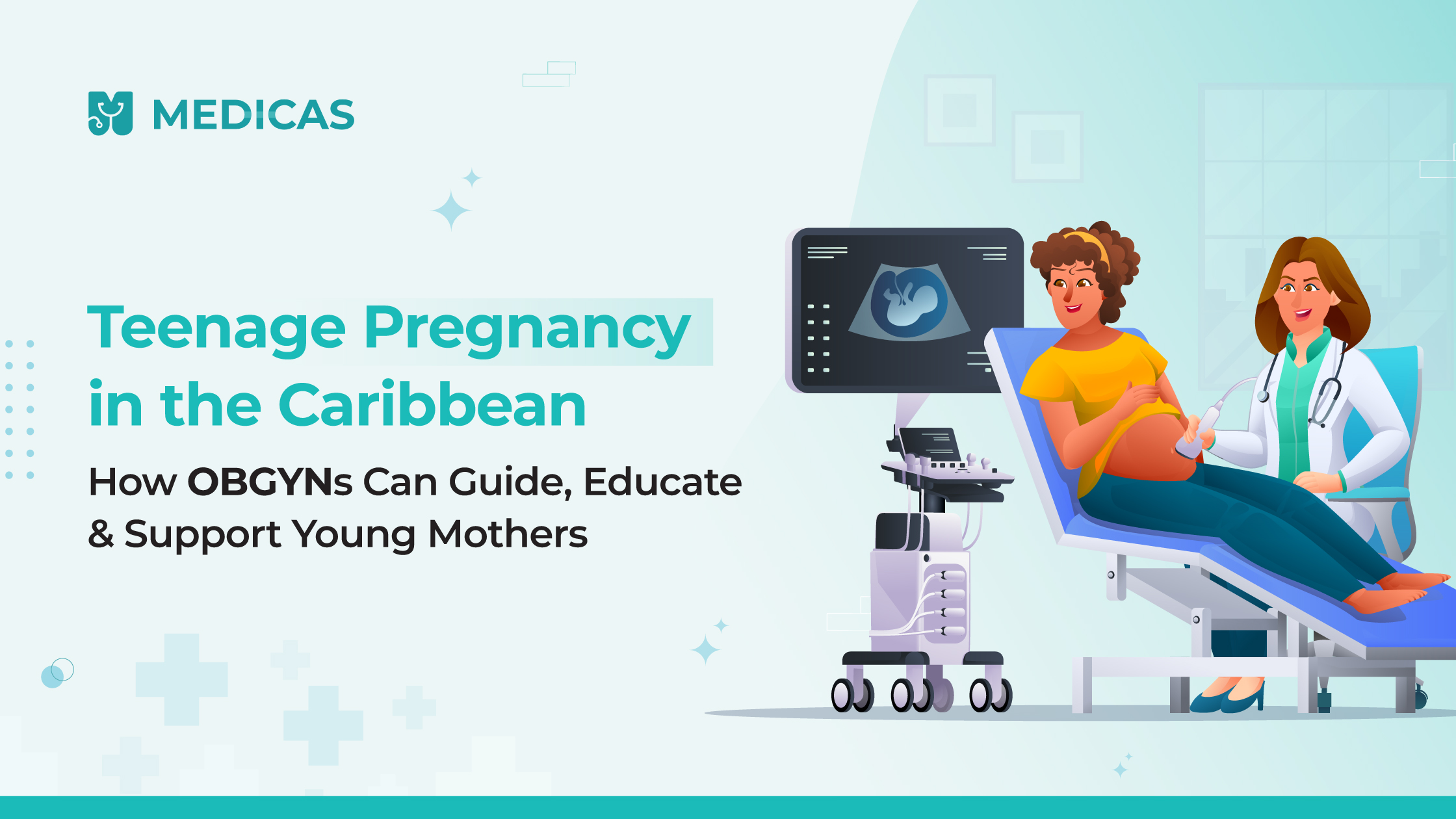
Teenage pregnancy is a persistent public health issue across the Caribbean, with significant medical, psychological, and socio-economic consequences. In countries like Trinidad and Tobago, Jamaica, Guyana, and the Dominican Republic, adolescent pregnancies contribute substantially to maternal morbidity and school dropout rates. According to the Pan American Health Organization (PAHO), Caribbean nations report some of the highest adolescent birth rates in the Americas. The teenage pregnancy issue is more than a reproductive health crisis—it reflects systemic gaps in education, healthcare access, and social support. The challenges of teenage pregnancy include increased health risks for mother and baby, economic instability, and disrupted futures. Tackling this issue requires a multi-pronged approach with OBGYNs at the forefront of education, early intervention, and support.
Causes of Teenage Pregnancy in the Caribbean
Lack of Sexual Education and Contraceptive Awareness
Many Caribbean adolescents receive little to no formal sexual education, especially in rural and religiously conservative areas. Without accurate knowledge of reproductive health and contraception, myths and misinformation flourish. This increases the chances of unprotected sex and, ultimately, teenage pregnancy.
Peer Pressure and Early Sexual Activity
Social acceptance, curiosity, and peer influence drive many teenagers to initiate sexual activity early, often before they are emotionally or cognitively prepared. The lack of safe spaces to discuss sex and relationships leaves many adolescents vulnerable to risky behaviours.
Poverty and Socioeconomic Inequality
Teenage pregnancy is closely linked to poverty. In low-income families, adolescent girls may see motherhood as a route to social status, independence, or even access to government support. Limited economic opportunities and low educational attainment further perpetuate the cycle.
Family Breakdown or Absence of Parental Guidance
Single-parent households, absent fathers, and poor family communication can contribute to early pregnancies. Without guidance, teenagers may seek validation through relationships, often leading to early and unprotected sexual encounters.
Cultural Norms and Gender Expectations
In some Caribbean communities, early motherhood is not heavily stigmatised and may even be seen as a rite of passage. Societal expectations around masculinity and femininity can pressure teens into relationships that lead to unplanned pregnancies.
Health and Social Effects of Teenage Pregnancy
The physical effects of teenage pregnancy can be severe. Young mothers face higher risks of anaemia, preeclampsia, preterm labour, and complications during delivery. Babies born to teenage mothers are more likely to suffer from low birth weight, developmental delays, and infant mortality. The psychological effects of teenage pregnancy include depression, anxiety, isolation, and identity confusion. Adolescents often struggle with the abrupt transition into parenthood while navigating academic, social, and emotional upheavals. The disadvantages of teenage pregnancy also extend to reduced career prospects, interrupted education, and a lifetime of socioeconomic challenges.
Role of OBGYNs in Education, Support, and Care
Recognising Early Signs of Pregnancy
OBGYNs are often the first point of contact for adolescents who suspect they might be pregnant. Recognising the early signs of pregnancy and seeking timely help can reduce health risks for both the mother and the baby.
Providing Nonjudgmental Counseling
Teenagers need safe, nonjudgmental spaces to talk about their fears, options, and rights. OBGYNs are trained to provide empathetic counselling that supports decision-making, whether the teen chooses to continue the pregnancy or not. If you’re looking for counselling for yourself or your child, you can reach out to psychologists near you here.
Offering Access to Prenatal and Postnatal Care
Early prenatal care is critical for monitoring health markers, nutritional status, and foetal development. OBGYNs guide teens on essential practices, including following a pregnancy food chart, managing stress, and recognising danger signs. Postnatal care ensures that the adolescent mother is monitored for postpartum depression and supported in newborn care.
Collaborating with Schools and Families
To address the broader challenges of teenage pregnancy, OBGYNs work alongside educators, social workers, and families to provide wraparound support. They help schools design health modules and refer teens to mental health services when necessary.
Promoting Long-Term Reproductive Health Literacy
Beyond immediate care, OBGYNs play a preventive role by educating teenagers on topics like birth control options, natural solutions to prevent pregnancy, irregular periods, and PCOD/PCOS. This equips young women with tools to avoid repeat pregnancies and make informed choices.
Prevention and Community Solutions
The most effective ways to prevent teenage pregnancy include:
- Comprehensive sexuality education in schools
- Community outreach programs focused on youth empowerment
- Making contraception accessible without stigma
- Promoting abstinence and delaying first sexual encounter
- Engaging parents in open discussions
Youth-friendly clinics and teenage pregnancy support services can offer nonjudgmental advice, contraception, and health screening. Encouraging young people to explore safe, legal, and confidential healthcare services is key to curbing adolescent pregnancies.
Government and NGO Initiatives in the Caribbean
Several governments and NGOs in the Caribbean are actively tackling this crisis. The Trinidad and Tobago Ministry of Health runs school-based interventions, while organisations like UNFPA and CAFRA conduct community workshops, distribute contraceptives, and train peer educators. Jamaica’s “Respect for Life” program and Guyana’s adolescent health services aim to educate and empower young women. NGOs like Girls of a Feather and WAND (Women and Development Unit) have been instrumental in advocating for policy reform and youth access to reproductive care. Despite these initiatives, consistent funding, political will, and cultural change are still needed to make a lasting impact.
Conclusion
Teenage pregnancy remains a multifaceted challenge in the Caribbean, influenced by cultural, social, economic, and health factors. The cause and effect of teenage pregnancy must be addressed holistically—by empowering young people, improving access to healthcare, and confronting systemic barriers. OBGYNs are uniquely positioned to educate, support, and guide teens through this vulnerable phase of life. Their role extends far beyond clinical care—they are also educators, advocates, and allies in the fight to prevent teenage pregnancy. If you or someone you know may be facing this challenge, consider speaking to an OBGYN. Book an appointment with a gynaecologist or consult online through Medicas. You can also reach out to me directly here.
Frequently Asked Questions (FAQs) about Teenage Pregnancies
What are the physical effects of teenage pregnancy on young girls?
Teenage mothers are at higher risk for anaemia, high blood pressure, premature delivery, and complications during labour. Their babies are more prone to low birth weight and developmental delays.
What challenges do teenage mothers face in the Caribbean?
They often face school dropout, financial hardship, social stigma, and emotional distress. Limited access to healthcare and community support further complicates their journey.
What role do OBGYNs play in preventing teenage pregnancy?
OBGYNs educate teens on contraception, recognise early pregnancy symptoms, provide counselling, and ensure access to prenatal care. They also engage in school programs and reproductive health advocacy.
Are teenage pregnancy rates rising or declining in the Caribbean?
Rates vary by country, but many Caribbean nations have seen stagnation or slight decline. However, the rates remain among the highest in the Western Hemisphere, underscoring the need for continued action.
Disclaimer
Medical Advice: The information provided in this blog post is for educational purposes only and should not be considered as a substitute for professional medical advice, diagnosis, or treatment. Always consult with a qualified healthcare professional for personalized guidance regarding your specific medical condition.
Accuracy of Information: While we strive to provide accurate and up-to-date information, the field of medicine and viral fevers is constantly evolving. The content in this blog post may not reflect the most current research or medical guidelines. Therefore, it is advisable to cross-check any information provided with reliable sources or consult a healthcare professional.
Individual Variations: The symptoms, causes, treatment options, and preventive measures discussed in this blog post are general in nature and may not apply to everyone. It is important to remember that each individual’s situation is unique, and personalized medical advice should be sought when making healthcare decisions.
External Links: This blog post may contain links to external websites or resources for additional information. However, we do not endorse or have control over the content of these third-party websites. Accessing these links is done at your own risk, and we are not responsible for any consequences or damages that may arise from visiting these external sources.
Results May Vary: The effectiveness of treatment options or preventive measures mentioned in this blog post may vary from person to person. What works for one individual may not work the same way for another. It is essential to consult with a healthcare professional for personalized advice tailored to your specific needs