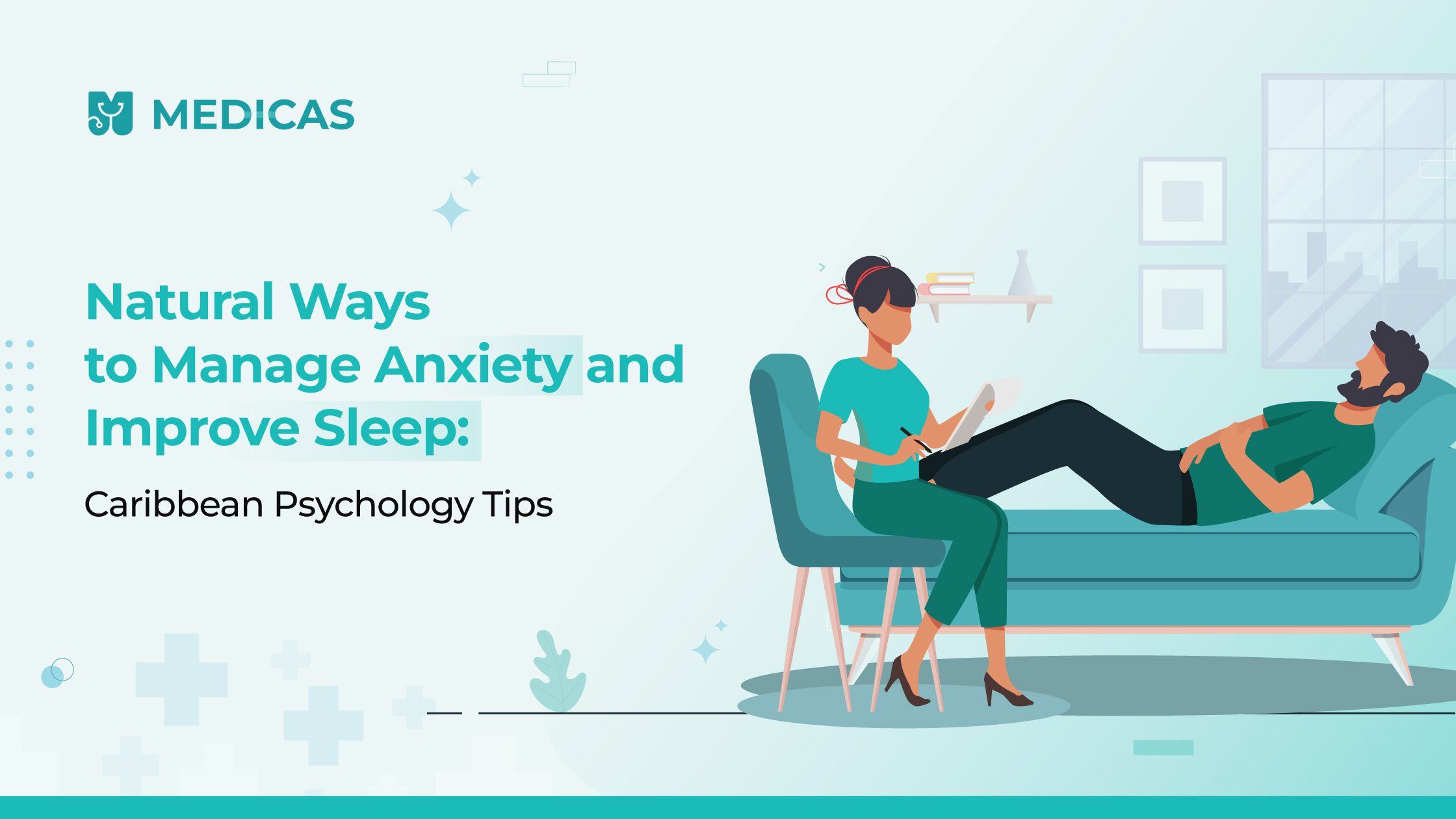
In my practice, I see many patients struggling with persistent anxiety and disrupted sleep. They often come in asking, “How can I manage anxiety naturally?” or “Why can’t I sleep due to stress and anxiety?” These concerns are not isolated. They are deeply intertwined, often creating a cycle where poor sleep exacerbates anxiety, and anxiety further disrupts restful sleep. Over time, if these patterns go unaddressed, they can lead to significant emotional, cognitive, and physical health challenges. Many people are hesitant to start with medication immediately, preferring to understand if there are natural ways to manage anxiety and sleep disturbances. The good news is—yes, there are. This blog outlines holistic, evidence-based strategies for managing anxiety without medication and improving sleep naturally. Rooted in psychological best practices and aligned with the wellness traditions of the Caribbean, these methods are gentle, sustainable, and often highly effective.
Understanding the Link Between Anxiety and Sleep
Anxiety and sleep are closely connected. Individuals experiencing anxiety often report trouble falling asleep, frequent awakenings during the night, or feeling unrested even after hours of sleep. Conversely, chronic sleep deprivation can heighten feelings of anxiety, irritability, and emotional instability. Physiologically, anxiety activates the body’s fight-or-flight response, releasing cortisol and adrenaline—hormones that increase heart rate, alertness, and muscle tension. These responses make it harder for the brain to settle into sleep. When this becomes a nightly pattern, individuals often find themselves asking: “How can I sleep with anxiety and depression?” Understanding this link helps in addressing both issues simultaneously. Healing sleep can calm an anxious mind, and managing anxiety can pave the way for restful nights.
Signs You May Be Struggling With Anxiety or Sleep Issues
Many patients overlook their symptoms or dismiss them as “normal stress.” However, there are telltale signs that suggest you might be dealing with anxiety or sleep-related concerns:
- Persistent worrying or overthinking
- Difficulty falling or staying asleep
- Waking up feeling tired or unrested
- Irritability and mood changes
- Muscle tension or frequent headaches
- A sense of dread or impending doom
- Nightmares or racing thoughts at bedtime
If these symptoms last for more than two weeks and interfere with daily functioning, they may point to an anxiety disorder or a sleep disorder, both of which are treatable.
Natural Methods to Manage Anxiety Without Medication
Deep Breathing and Relaxation Techniques
Breathing exercises are among the most effective tools to calm the nervous system. Techniques such as diaphragmatic breathing, box breathing, and the 4-7-8 method help regulate heart rate and reduce cortisol levels.
Journaling and Mindful Writing
Writing down thoughts before bed can clear mental clutter and create emotional distance from distressing thoughts. Prompts such as “What am I feeling right now?” or “What is in my control?” help you reflect rather than ruminate.
Nature Walks and Caribbean Environmental Therapies
Spending time in nature reduces anxiety, improves mood, and supports circadian rhythms. Walking barefoot on the beach, sitting near trees, or swimming in the ocean can all have therapeutic effects.
Social Connection and Talking Therapies
Connecting with others—friends, family, support groups—can provide emotional validation and reduce isolation. For deeper healing, talking to a psychologist or therapist can help unpack root causes of anxiety. Book an online consultation with a licensed therapist to get started.
Reducing Caffeine and Stimulants
Caffeine, nicotine, and some processed foods can worsen anxiety symptoms and disturb sleep. Consider switching to herbal teas like chamomile or lemongrass, which promote calmness. Caribbean Lifestyle Tips to Improve Sleep Naturally
Bedtime Routines Inspired by Caribbean Wellness
Establish a consistent bedtime and include wind-down rituals such as warm baths, light stretching, or reading calming literature. Creating a restful environment is key to better sleep.
Herbal Teas and Natural Sleep Aids
Caribbean households often use teas like soursop leaf, chamomile, and mint to aid sleep. These teas have sedative properties and are safe for most people when consumed in moderation. Read more about soursop and sleep.
Relaxing Sounds: Ocean Waves, Rainforest Audio
Listening to natural sounds mimics the brain’s relaxed state during REM sleep. Rain, ocean waves, and birdsong can help signal the brain to transition into sleep mode.
Disconnecting from Digital Devices Before Bed
Digital devices emit blue light, which interferes with melatonin production. Turning off screens at least one hour before bedtime improves both sleep quality and sleep onset.
Guided Meditation and Breathing Exercises
Guided meditations focusing on body scanning or visual imagery are proven to reduce pre-sleep anxiety. They help train the mind to let go of stressors and enter a state of rest. The Role of Nutrition and Supplements
Best Vitamins for Sleep and Anxiety
- Magnesium: Supports GABA activity for calmness
- Vitamin D: Regulates mood and energy
- Vitamin B Complex: Supports brain function and reduces fatigue
- L-Theanine: Found in green tea, encourages relaxation
- Melatonin: Regulates sleep-wake cycles
Book a lab test to check your vitamin levels.
Foods That Help Calm the Mind
Include complex carbohydrates, fatty fish, bananas, oats, almonds, and leafy greens. These foods are rich in nutrients that promote serotonin and dopamine production.
Avoiding Foods That Trigger Anxiety
Limit sugar, processed foods, excessive caffeine, and alcohol—these can cause spikes and crashes in blood sugar and mood.
Hydration and Herbal Remedies
Dehydration increases stress. Staying hydrated and using herbal infusions like ginger-mint or tulsi can support the nervous system.
Caribbean Superfoods and Their Psychological Benefits
- Soursop: Mild sedative, reduces restlessness
- Coconut water: Rehydrates and provides magnesium
- Breadfruit: Stabilises blood sugar
- Turmeric: Reduces inflammation, improves mood
Learn more about the gut-brain connection.
When to Seek Help: Knowing the Limits of Natural Treatments
While natural methods are effective for many, they are not a replacement for professional care in severe cases. If you:
- Experience panic attacks
- Have thoughts of self-harm
- Cannot function in daily life due to anxiety
- Suffer from chronic insomnia lasting more than 3–4 weeks
…it is time to speak to a healthcare professional. Book an appointment or consult a sleep medicine specialist.
Conclusion
Anxiety and sleep disturbances are increasingly common, but they are also highly manageable. With a combination of natural therapies, nutritional awareness, consistent routines, and emotional support, it is absolutely possible to reclaim both your peace of mind and your sleep. Start small. Breathe deeply. And remember—help is available, both naturally and professionally.
Frequently Asked Questions (FAQs) about Anxiety Management
How can I manage anxiety naturally without medication?
Through deep breathing, journaling, spending time in nature, herbal teas, reducing stimulants, and talking therapy.
How do vitamins help with anxiety and sleep problems?
They regulate neurotransmitters and hormonal cycles, supporting emotional regulation and better sleep.
Can anxiety be cured naturally?
While not always “cured,” anxiety can be managed effectively through natural, evidence-based practices.
Why can’t I sleep due to anxiety or stress?
Stress hormones and mental hyperarousal prevent the body from entering restful states.
What foods or supplements can reduce anxiety naturally?
Magnesium, B-vitamins, omega-3s, soursop, oats, bananas, and almonds are beneficial.
Are there Caribbean herbs that help treat anxiety naturally?
Yes—soursop, lemongrass, chamomile, mint, and moringa are all known for their calming effects.
What are simple daily habits to combat anxiety naturally?
Breathe deeply, write daily, reduce screen time, eat whole foods, connect with others, and spend time outdoors.
Disclaimer
Medical Advice: The information provided in this blog post is for educational purposes only and should not be considered as a substitute for professional medical advice, diagnosis, or treatment. Always consult with a qualified healthcare professional for personalized guidance regarding your specific medical condition.
Accuracy of Information: While we strive to provide accurate and up-to-date information, the field of medicine and viral fevers is constantly evolving. The content in this blog post may not reflect the most current research or medical guidelines. Therefore, it is advisable to cross-check any information provided with reliable sources or consult a healthcare professional.
Individual Variations: The symptoms, causes, treatment options, and preventive measures discussed in this blog post are general in nature and may not apply to everyone. It is important to remember that each individual’s situation is unique, and personalized medical advice should be sought when making healthcare decisions.
External Links: This blog post may contain links to external websites or resources for additional information. However, we do not endorse or have control over the content of these third-party websites. Accessing these links is done at your own risk, and we are not responsible for any consequences or damages that may arise from visiting these external sources.
Results May Vary: The effectiveness of treatment options or preventive measures mentioned in this blog post may vary from person to person. What works for one individual may not work the same way for another. It is essential to consult with a healthcare professional for personalized advice tailored to your specific needs