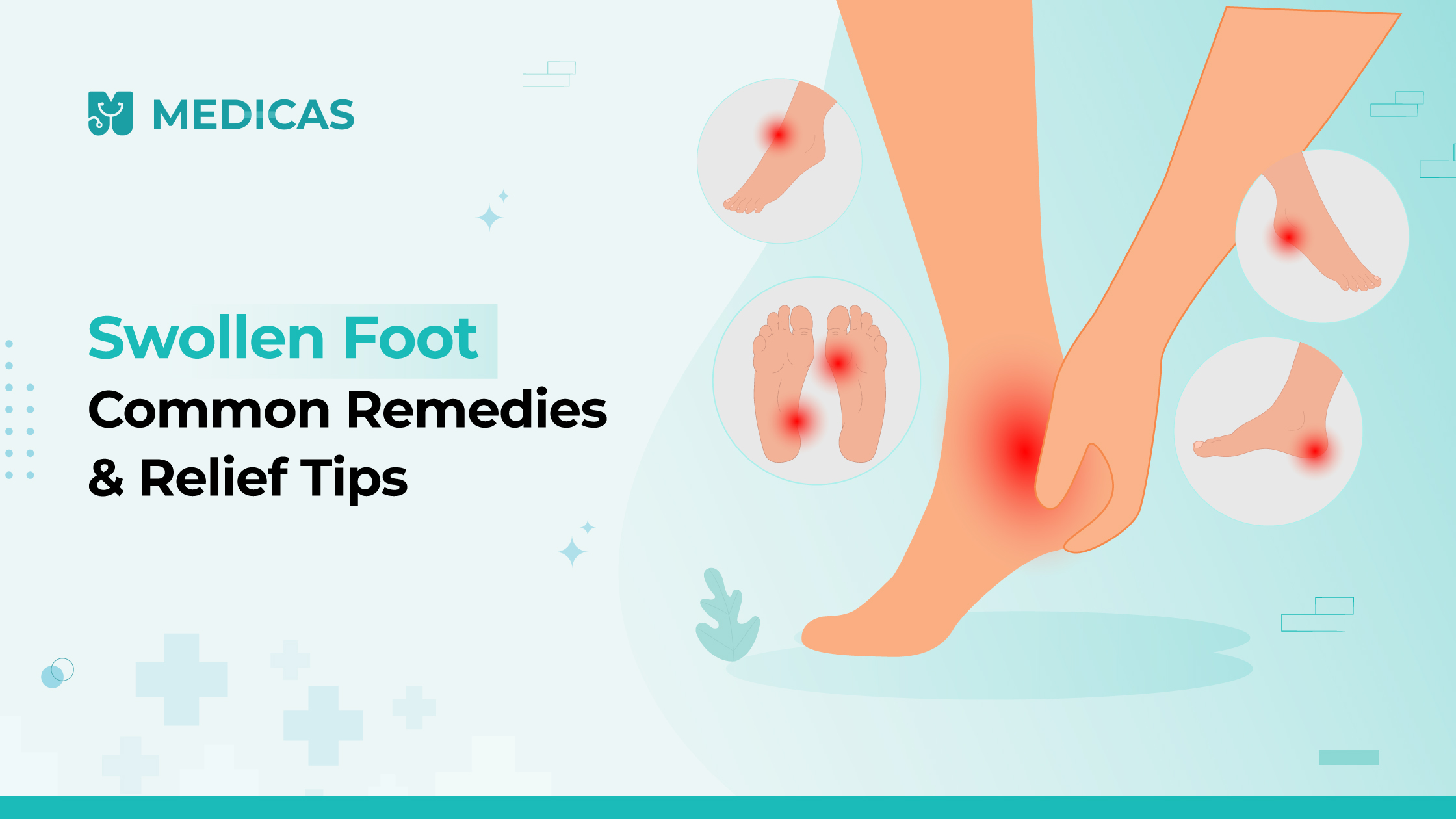

Dealing with swollen foot remedies can be frustrating and uncomfortable, impacting your daily life. Whether it’s due to prolonged standing, an injury, or an underlying health condition, understanding the causes and effective treatments is crucial. This guide provides a comprehensive overview of at-home remedies, medical treatments, and preventive measures to help you manage and alleviate foot swelling.
Understanding Foot and Leg Swelling
Foot and leg swelling, also known as edema, occurs when excess fluid accumulates in the tissues. Several factors can contribute to this condition, ranging from minor issues like prolonged standing to more serious health problems. Recognizing the underlying causes is the first step in finding effective foot and leg swelling treatment. Let’s delve deeper into what might be causing your discomfort.
Common Causes of Foot Swelling
Several factors can lead to foot swelling treatment. Common culprits include:
- Prolonged Standing or Sitting: Gravity can cause fluid to pool in your lower extremities.
- Injury: Sprains, strains, and fractures can cause inflammation and swelling.
- Pregnancy: Hormonal changes and increased blood volume during pregnancy can lead to swelling in the feet and ankles.
- Medications: Certain drugs, such as those for high blood pressure or diabetes, can have swelling as a side effect.
- Underlying Health Conditions: Kidney disease, heart failure, and liver problems can all cause fluid retention.
Also Read: Foot Pain Relief: Why Early Treatment Matters
Symptoms That Accompany Foot and Ankle Swelling
Along with visible swelling, you may experience other symptoms, including:
- Tight or stretched skin
- Difficulty walking or moving your foot
- Pain or tenderness
- Skin discoloration
- Reduced flexibility in the ankle
When Swollen Feet May Indicate a Serious Health Condition
While many cases of foot swelling are benign, it’s important to recognize when it could signal a more serious underlying condition. Conditions such as heart failure, kidney disease, and liver problems can manifest as edema in the feet and legs. If you experience sudden or severe swelling, especially if accompanied by shortness of breath, chest pain, or dizziness, seek immediate medical attention.
At-Home Remedies to Relieve Feet Swelling
For mild to moderate foot swelling, several at-home remedies can provide relief. These include:
- Elevation: Elevating your feet above your heart can help drain excess fluid.
- Compression: Wearing compression socks can improve circulation and reduce swelling.
- Soaking: Soaking your feet in cool water with Epsom salts can soothe inflammation.
- Massage: Gently massaging your feet and legs can help move fluid away from the area.
Also Read: Joint Pain at 35: Recognising Early Signs
Best Foot Elevation and Compression Techniques
Proper elevation and compression techniques can significantly reduce foot swelling. When elevating your feet, aim for a position above your heart for at least 30 minutes, several times a day. Use pillows or a recliner to achieve the optimal angle. For compression, choose socks that provide firm but comfortable support. Make sure they are not too tight, as this can restrict circulation.
Dietary Changes to Reduce Swelling
Certain dietary changes can help reduce fluid retention and alleviate swelling. Consider the following:
- Reduce Sodium Intake: High sodium levels can cause your body to retain water.
- Increase Potassium Intake: Potassium helps balance sodium levels and can promote fluid drainage.
- Stay Hydrated: Drinking plenty of water helps your kidneys flush out excess fluid.
- Avoid Processed Foods: These often contain high levels of sodium and unhealthy additives.
Making small changes in your diet can contribute significantly towards relieve feet swelling.
Medical Treatments for Severe Foot and Leg Swelling
If at-home remedies are not providing sufficient relief, medical treatments may be necessary. Diuretics, also known as water pills, can help your body eliminate excess fluid through urine. Your doctor may also recommend treating any underlying conditions contributing to the swelling. Book appointment to determine the appropriate treatment plan for your specific situation.
Cure for Feet Swelling: Professional Care Options
When seeking professional care for cure for feet swelling, several options are available. A podiatrist can diagnose and treat foot-related conditions, while a vascular specialist can address circulatory issues. Physical therapy may also be beneficial for improving lymphatic drainage and reducing swelling.
Foot Inflammation Treatment: Reducing Pain & Discomfort
Foot inflammation can cause significant pain and discomfort. Over-the-counter pain relievers like ibuprofen or naproxen can help reduce inflammation. Topical creams containing menthol or capsaicin may also provide localized relief. For more severe inflammation, your doctor may prescribe corticosteroids. Get an Online Doctor Consultation for personalized advice.
Also Read: Best Exercises for Back Pain Relief
Tips for Preventing Foot Swelling
Preventing foot swelling involves addressing the underlying causes and adopting healthy habits. Consider the following tips:
- Maintain a Healthy Weight: Obesity can increase the risk of swelling.
- Stay Active: Regular exercise improves circulation and reduces fluid retention.
- Wear Comfortable Shoes: Avoid shoes that are too tight or constricting.
- Take Breaks: If you spend long periods standing or sitting, take frequent breaks to move around.
Exercises to Improve Circulation and Reduce Swelling
Specific exercises can improve circulation and reduce swelling in your feet and legs. These include:
- Ankle Pumps: Point your toes up and down to stimulate blood flow.
- Calf Raises: Stand on your toes to strengthen calf muscles and improve circulation.
- Toe Curls: Curl your toes inward and release to improve foot flexibility.
Conditions Linked to Chronic Swelling (Diabetes, Kidney, Heart Issues)
Chronic foot swelling can be linked to several underlying health conditions. Diabetes can damage blood vessels and nerves, leading to poor circulation and swelling. Kidney disease can impair the body’s ability to regulate fluid balance, while heart failure can cause fluid to back up into the lower extremities. Managing these conditions is crucial for reducing chronic swelling.
When to See a Doctor for Persistent Swollen Feet
It’s essential to know when to seek medical attention for persistent swollen feet. If your swelling is sudden, severe, or accompanied by other concerning symptoms, see a doctor immediately. Additionally, if at-home remedies are not providing relief, or if you have underlying health conditions, consult a healthcare professional for evaluation and treatment. You can also Book Lab Test to rule out any potential serious conditions.
Quick Relief Checklist: Steps for Instant Comfort
For quick relief from swollen feet, follow these steps:
- Elevate your feet above your heart.
- Apply a cold compress to reduce inflammation.
- Gently massage your feet and legs.
- Wear compression socks.
- Drink plenty of water.
Conclusion: Managing and Preventing Foot Swelling
Managing and preventing foot inflammation treatment requires a combination of lifestyle adjustments, at-home remedies, and medical treatments. By understanding the causes of foot swelling and adopting proactive measures, you can alleviate discomfort and improve your overall quality of life. Remember to consult with a healthcare professional for personalized advice and treatment options. You can also consult with me directly via Medicas.
Frequently Asked Questions (FAQs)
What are the most common causes of foot swelling?
The most common causes include prolonged standing or sitting, injury, pregnancy, medications, and underlying health conditions like kidney disease or heart failure.
How can I quickly relieve swelling in my feet at home?
Elevating your feet, applying a cold compress, gently massaging the area, wearing compression socks, and drinking plenty of water can provide quick relief.
When should I see a doctor for swollen feet and legs?
You should see a doctor if the swelling is sudden, severe, accompanied by other concerning symptoms, if at-home remedies are not providing relief, or if you have underlying health conditions.
What medical treatments are available for foot inflammation?
Medical treatments include over-the-counter pain relievers, topical creams, prescription corticosteroids, diuretics, and treatment for any underlying conditions contributing to the inflammation.
Disclaimer
Medical Advice: The information provided in this blog post is for educational purposes only and should not be considered as a substitute for professional medical advice, diagnosis, or treatment. Always consult with a qualified healthcare professional for personalized guidance regarding your specific medical condition.
Accuracy of Information: While we strive to provide accurate and up-to-date information, the field of medicine and viral fevers is constantly evolving. The content in this blog post may not reflect the most current research or medical guidelines. Therefore, it is advisable to cross-check any information provided with reliable sources or consult a healthcare professional.
Individual Variations: The symptoms, causes, treatment options, and preventive measures discussed in this blog post are general in nature and may not apply to everyone. It is important to remember that each individual’s situation is unique, and personalized medical advice should be sought when making healthcare decisions.
External Links: This blog post may contain links to external websites or resources for additional information. However, we do not endorse or have control over the content of these third-party websites. Accessing these links is done at your own risk, and we are not responsible for any consequences or damages that may arise from visiting these external sources.
Results May Vary: The effectiveness of treatment options or preventive measures mentioned in this blog post may vary from person to person. What works for one individual may not work the same way for another. It is essential to consult with a healthcare professional for personalized advice tailored to your specific needs