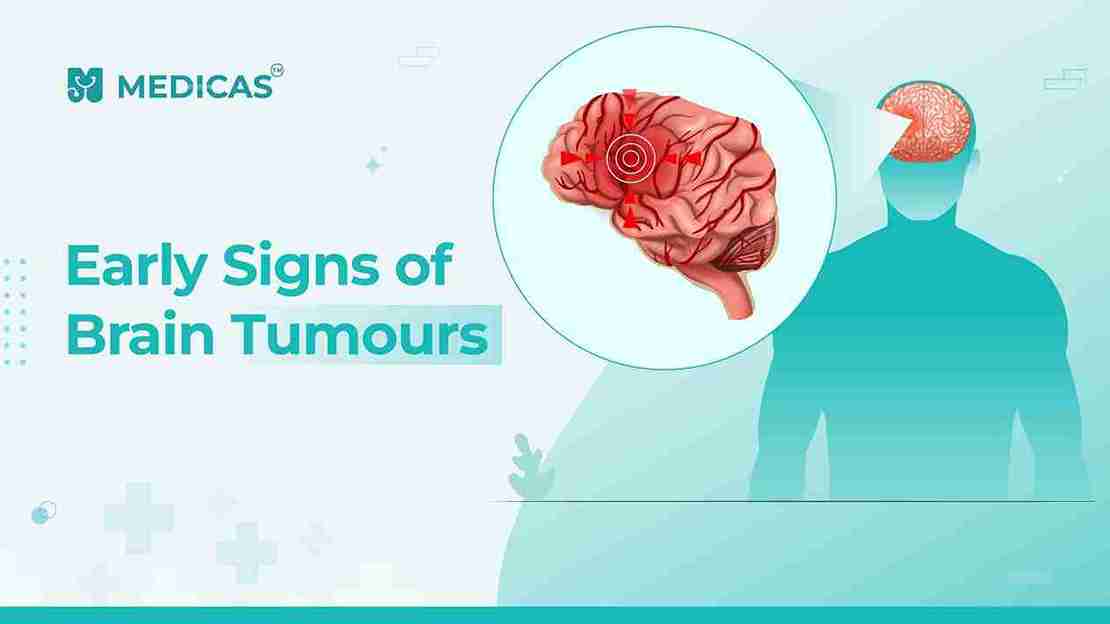

Brain tumours are often feared because they involve one of the most sensitive organs in the human body. What makes them particularly challenging is that their early symptoms can look very similar to everyday conditions like migraines, stress, sinus issues, personality changes, or even fatigue. The difference is that brain tumour warning signs gradually become more persistent and progressive. Recognising these early indicators is crucial because early detection can significantly improve treatment outcomes and quality of life.
As a doctor, I often emphasise that not all headaches or vision issues indicate a tumour, but understanding the patterns of these symptoms is essential. People who are aware of early warning signs are far more likely to seek medical help on time. This article will help you understand the early warning signals in adults and children, the neurological symptoms to watch closely, and when it is important to consult a doctor or neurologist. It also explains diagnosis, treatment, and how life continues after a brain tumour diagnosis.
If you ever feel unsure about symptoms, you can connect with a doctor instantly through Online Doctor Consultation available on Medicas.
What Is a Brain Tumour
A brain tumour is an abnormal growth of cells within the brain. Some tumours grow slowly while others grow rapidly. They can be benign or malignant, but both types can affect brain function because the skull is a closed space. Even a small tumour can create pressure on tissues or disrupt nerve pathways.
There are two major types of brain tumours:
- Primary brain tumours that originate in the brain
- Secondary or metastatic tumours that spread from cancers elsewhere in the body
Regardless of the type, brain tumour warning signs usually occur because the tumour interferes with normal brain processes such as movement, sensation, memory, vision, or speech.
Why Early Detection of Brain Tumour Matters
Early detection of brain tumours can significantly influence treatment success. When symptoms are recognised early, doctors can diagnose the tumour before it increases in size or spreads to other regions. This leads to better treatment options and better long term outcomes.
Some people ignore subtle symptoms at the beginning. For example, persistent headaches that worsen over time or sudden vision changes are often dismissed as stress. Recognising these signals allows for earlier scans and testing. If you experience persistent neurological symptoms, you should not delay consultation. You can always book an appointment with a specialist through Medicas if you notice anything unusual.
Common Brain Tumour Warning Signs in Adults
Adults experience a specific set of symptoms depending on the location and size of the tumour. Warning signs of brain tumour in adults often begin subtly and intensify gradually. People may ignore them initially, assuming they are stress or sleep related.
Here are the most common early symptoms:
- Persistent or worsening headaches
- Morning headaches accompanied by nausea
- Unexplained vomiting
- Blurred or double vision
- Sudden changes in personality
- Difficulty speaking or understanding words
- Weakness on one side of the body
- New onset seizures
- Balance problems or frequent falls
- Difficulty concentrating
- Hearing changes or ringing in the ears
If you ever experience headaches that feel different from your usual pattern or do not respond to regular pain relievers, it is important to consider a medical evaluation. Many people choose to book a lab test for imaging or a neurological review to rule out serious causes.
Also Read: Cancer Overview: Causes, Early Symptoms, Types, and Treatment Options
Early Warning Signs of a Brain Tumour in Children
Warning signs of brain tumour in child populations differ from adults. Children may not always explain their symptoms clearly, so parents must closely observe behavioural or physical changes. Early detection can make a significant difference in treatment outcomes.
Common signs in children include:
- Frequent morning headaches
- Irritability or unexplained mood changes
- Delayed physical or mental development
- Difficulty walking or clumsiness
- Persistent nausea with no stomach illness
- Sudden decline in school performance
- Poor coordination
- Abnormal eye movements
- Seizures that appear suddenly
- Weakness in limbs
- Vision problems such as squinting or blurred vision
If your child experiences symptoms like persistent vomiting or balance issues, consult a paediatric neurologist immediately. Early diagnosis helps guide the right treatment path.
Neurological Symptoms to Watch For
Brain tumours often affect nerve pathways and brain structures, which leads to neurological symptoms. These symptoms are strong indicators that something deeper may be happening in the brain. They tend to worsen gradually.
Watch for the following neurological warning signals:
- Difficulty with speech or language
- Tingling or numbness in the face or limbs
- Difficulty with writing or reading
- Seizures with no prior history
- Coordination problems
- Memory loss or confusion
- Vision or hearing disturbances
- Uncontrolled movements or tremors
If you ever feel unsure about whether your symptoms are neurological or related to common issues like migraines or stress, you can use the Online Doctor Consultation service on Medicas to discuss your concerns quickly.
When to Consult a Doctor or Neurologist
You should consult a doctor if:
- Headaches worsen in frequency or intensity
- You suddenly develop seizures
- You notice weakness in one side of your body
- You have difficulty speaking or understanding words
- Vision problems appear suddenly
- Personality or behaviour changes become obvious
- Symptoms persist for more than two weeks
- Symptoms intensify despite home care
Many individuals book an appointment directly with a neurologist to avoid delays in diagnosis. If you prefer quick access, you can use Book Appointment feature on Medicas to connect with some of the country’s top neurologists from the comfort of your home.
Diagnosis and Tests for Brain Tumours
Diagnosis begins with a neurological evaluation, where the doctor checks reflexes, coordination, speech, eye movements, and muscle strength. This helps identify which part of the brain might be affected.
The most common diagnostic tests include:
- MRI scan of the brain
- CT scan
- EEG in case of seizures
- Blood tests to rule out infections or metabolic causes
- Biopsy for final tumour classification
If you require imaging, using Book Lab Test on Medicas makes it easy to schedule scans such as MRI and CT safely and conveniently.
Treatment Options After Diagnosis
Treatment varies based on tumour type, location, size, and whether it is benign or malignant. Early detection usually offers more choices.
The main treatment options are:
- Surgery to remove the tumour
- Radiation therapy
- Chemotherapy
- Targeted therapy
- Steroid medications to reduce brain swelling
- Anti seizure medications
Your doctor will create an individualised treatment plan based on tumour characteristics. Surgery is often the first step when the tumour is accessible. Radiation and chemotherapy are used for tumours that cannot be fully removed or require additional control.
After diagnosis, patients often need follow up care and repeated imaging to monitor progress. You can use Book Appointment on Medicas to schedule follow ups with specialists.
Living With a Brain Tumour: Support and Care
A brain tumour diagnosis affects emotional, physical, and mental health. Patients may experience fatigue, cognitive changes, anxiety, or balance issues. Support from family, caregivers, and medical professionals plays a crucial role in improving quality of life.
Important aspects of life after diagnosis include:
- Regular follow ups with neurologists or oncologists
- Rehabilitation therapies such as physiotherapy and speech therapy
- Mental health support for emotional wellbeing
- Cognitive training exercises
- Maintaining a healthy lifestyle and nutrition
- Managing medication schedules carefully
- Building a support system with family and friends
Supportive care helps patients adapt and maintain functionality. Early warning signs of a brain tumour are important to identify because timely treatment improves long term outcomes.
Conclusion
Recognising brain tumour warning signs early is critical for improving treatment success. Symptoms that appear subtle initially can gradually progress, so paying attention to persistent headaches, neurological changes, speech difficulties, weakness, or behavioural changes is important. If you notice warning signs of brain tumour in adults or children, do not delay consultation. Early detection allows doctors to intervene before complications arise.
You can connect immediately with a doctor through Online Doctor Consultation on Medicas or Book Appointment for a full neurological examination. If imaging is suggested, Book Lab Test on Medicas makes the process easy and reliable. Staying informed and taking action early can make a life changing difference.
Disclaimer
Medical Advice: The information provided in this blog post is for educational purposes only and should not be considered as a substitute for professional medical advice, diagnosis, or treatment. Always consult with a qualified healthcare professional for personalized guidance regarding your specific medical condition.
Accuracy of Information: While we strive to provide accurate and up-to-date information, the field of medicine and viral fevers is constantly evolving. The content in this blog post may not reflect the most current research or medical guidelines. Therefore, it is advisable to cross-check any information provided with reliable sources or consult a healthcare professional.
Individual Variations: The symptoms, causes, treatment options, and preventive measures discussed in this blog post are general in nature and may not apply to everyone. It is important to remember that each individual’s situation is unique, and personalized medical advice should be sought when making healthcare decisions.
External Links: This blog post may contain links to external websites or resources for additional information. However, we do not endorse or have control over the content of these third-party websites. Accessing these links is done at your own risk, and we are not responsible for any consequences or damages that may arise from visiting these external sources.
Results May Vary: The effectiveness of treatment options or preventive measures mentioned in this blog post may vary from person to person. What works for one individual may not work the same way for another. It is essential to consult with a healthcare professional for personalised advice tailored to your specific needs