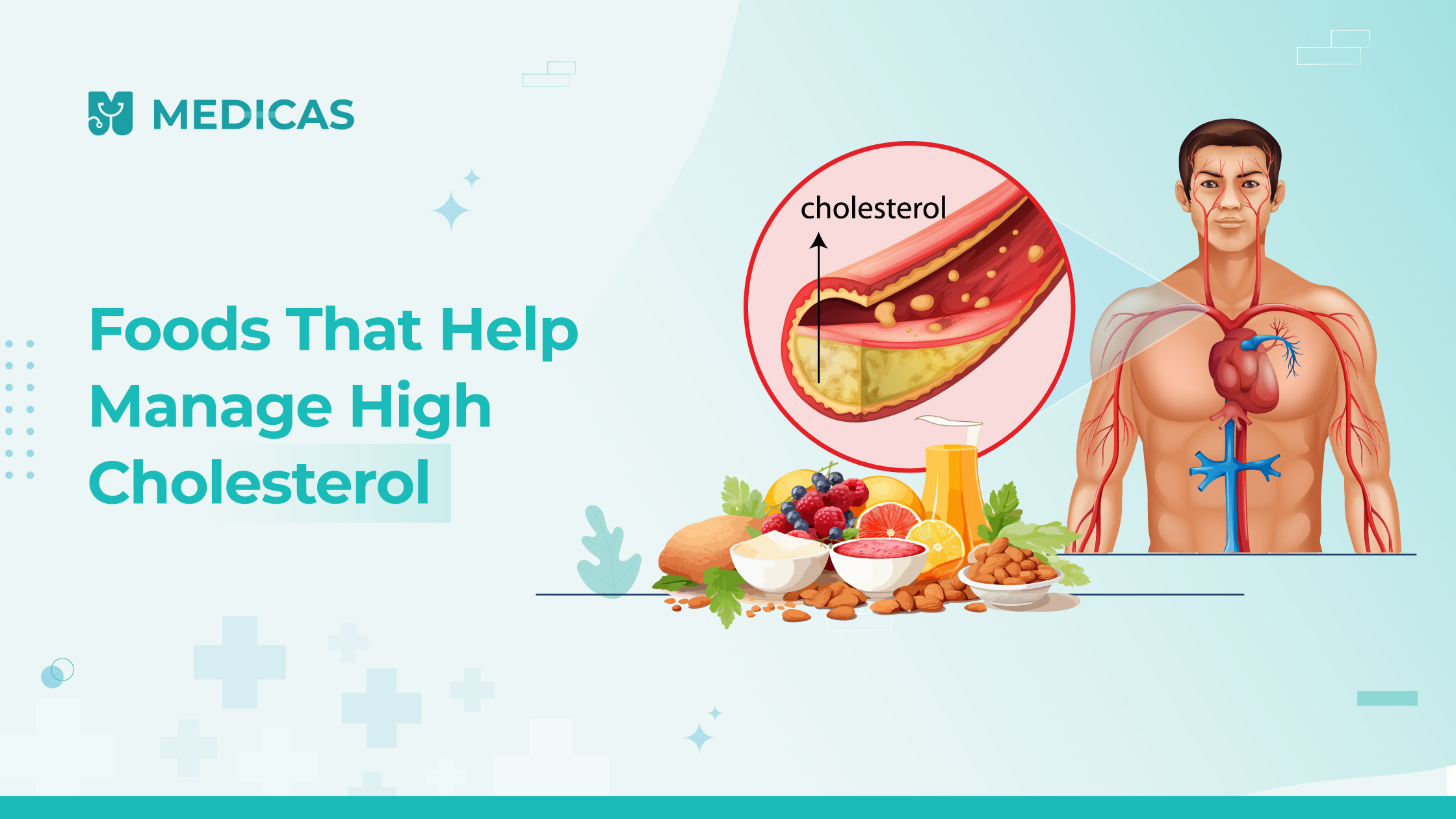
Managing cholesterol levels is crucial for maintaining a healthy heart. Understanding which high cholesterol foods to avoid and which heart-healthy foods to embrace is the first step. This guide will walk you through everything you need to know to make informed dietary choices. A diet for high cholesterol is important in our daily lives. High-cholesterol foods impact people in different ways.
Understanding Cholesterol: LDL vs HDL
Cholesterol is a waxy substance found in your blood. There are two main types: LDL (low-density lipoprotein) and HDL (high-density lipoprotein). Understanding the difference between LDL and HDL cholesterol is crucial for maintaining heart health. LDL cholesterol is often referred to as “bad” cholesterol because it can build up in the arteries and increase the risk of heart disease. HDL cholesterol, on the other hand, is known as “good” cholesterol because it helps remove LDL cholesterol from the arteries. Maintaining a healthy balance between LDL and HDL is essential. Regular monitoring and dietary adjustments can significantly impact these levels. High fibre foods for cholesterol can really make a difference.
Good Fats vs Bad Fats – What You Need to Know
Not all fats are created equal. Knowing the difference between good fats vs bad fats can significantly influence your cholesterol levels and overall health. Unsaturated fats, including monounsaturated and polyunsaturated fats, are considered “good” fats. These fats can help improve blood cholesterol levels and reduce the risk of cardiovascular disease. Good sources include olive oil, avocados, nuts, and fatty fish. Saturated and trans fats are considered “bad” fats. Saturated fats, found in red meat and full-fat dairy products, can raise LDL cholesterol levels. Trans fats, often found in processed and fried foods, are even worse, as they not only raise LDL cholesterol but also lower HDL cholesterol. Avoiding these fats is crucial for a diet for high cholesterol. Also Read: Superfoods for Boosting Immunity
Top Foods to Lower Cholesterol Naturally
Incorporating certain foods to lower cholesterol into your diet can make a significant difference. Here are some top choices:
Oats and whole grains
Oats and whole grains are excellent sources of soluble fibre, which can help reduce LDL cholesterol levels. Starting your day with a bowl of oatmeal can be a heart-healthy choice. These are great indian foods to lower cholesterol.
Fatty fish with omega-3
Fatty fish like salmon, mackerel, and sardines are rich in omega-3 fatty acids, which can help lower triglycerides and raise HDL cholesterol. Aim to include fatty fish in your diet at least twice a week. Eating foods that raise HDL and lower LDL can be great for you.
Nuts and seeds
Nuts and seeds are packed with healthy fats, fibre, and nutrients. Almonds, walnuts, chia seeds, and flaxseeds are all great options for improving cholesterol levels. Just be mindful of portion sizes, as nuts are high in calories.
Leafy greens and fruits
Leafy greens like spinach and kale, and fruits like apples, berries, and citrus, are rich in fibre and antioxidants, which can help lower cholesterol. These are also part of the heart-healthy foods category. For a more detailed consultation on your diet or to customise your diet as per your lifestyle, you can consult with me directly on Medicas. Also Read: 16 Best Brain-Boosting Foods to Improve Memory and Prevent Dementia Naturally
High Cholesterol Foods to Avoid
Knowing what not to eat with high cholesterol is just as important as knowing what to eat. Here are some high-cholesterol foods to avoid:
Fried and processed foods
Fried and processed foods are often high in trans fats and saturated fats, which can raise LDL cholesterol levels. These foods should be limited or avoided altogether.
Red meat and full-fat dairy
Red meat and full-fat dairy products are high in saturated fats, which can increase LDL cholesterol. Opt for leaner cuts of meat and low-fat or non-fat dairy options.
Baked goods with trans fats
Many baked goods, such as cookies, cakes, and pastries, contain trans fats, which can negatively impact cholesterol levels. Check the ingredient list and avoid products that contain partially hydrogenated oils.
Creating an Effective Diet for High Cholesterol
Creating an effective diet for high cholesterol involves a combination of incorporating heart-healthy foods and avoiding high-cholesterol foods. Focus on a diet rich in fruits, vegetables, whole grains, lean proteins, and healthy fats.
| Food Group | Recommended Foods | Foods to Limit |
| Fruits and Vegetables |
|
|
| Grains |
|
|
| Proteins |
|
|
| Dairy |
|
|
| Fats |
|
|
Consider consulting with a registered dietitian or nutritionist to create a personalized meal plan that meets your specific needs and goals. You can also book an online doctor consultation to discuss your cholesterol levels and potential treatment options. High fiber foods for cholesterol are highly recommended by experts. You may want to book a lab test regularly.
When to Seek Medical or Nutritional Advice
If you have high cholesterol or are at risk of developing it, it’s important to seek medical or nutritional advice. A healthcare professional can assess your risk factors, perform blood tests to check your cholesterol levels, and recommend appropriate lifestyle changes or medical treatments. Consider a diet for high cholesterol from a nutritionist. For your regular check-ups, book an appointment with specialists on Medicas.
Conclusion
Managing cholesterol levels through diet and lifestyle changes is essential for maintaining a healthy heart. By understanding the difference between LDL and HDL cholesterol, incorporating heart-healthy foods into your diet, and avoiding high-cholesterol foods, you can take control of your cholesterol levels and reduce your risk of heart disease. If you have any concerns about your cholesterol levels, consult with a qualified dietician for personalized advice.
Frequently Asked Questions (FAQs)
What are high cholesterol foods I should avoid?
You should avoid foods high in saturated and trans fats, such as fried foods, processed foods, red meat, full-fat dairy products, and baked goods with partially hydrogenated oils. These foods can raise LDL cholesterol levels and increase the risk of heart disease.
How do LDL and HDL cholesterol differ?
LDL (low-density lipoprotein) cholesterol is considered “bad” cholesterol because it can build up in the arteries and increase the risk of heart disease. HDL (high-density lipoprotein) cholesterol is considered “good” cholesterol because it helps remove LDL cholesterol from the arteries.
How can I lower cholesterol naturally through diet?
You can lower cholesterol naturally through diet by incorporating foods rich in soluble fiber, such as oats and whole grains, and healthy fats, such as fatty fish, nuts, and seeds. Additionally, limiting your intake of saturated and trans fats can help lower LDL cholesterol levels.
What is the difference between good fats and bad fats?
Good fats, such as unsaturated fats, can help improve blood cholesterol levels and reduce the risk of cardiovascular disease. Bad fats, such as saturated and trans fats, can raise LDL cholesterol levels and increase the risk of heart disease.
Disclaimer
Medical Advice: The information provided in this blog post is for educational purposes only and should not be considered as a substitute for professional medical advice, diagnosis, or treatment. Always consult with a qualified healthcare professional for personalized guidance regarding your specific medical condition.
Accuracy of Information: While we strive to provide accurate and up-to-date information, the field of medicine and viral fevers is constantly evolving. The content in this blog post may not reflect the most current research or medical guidelines. Therefore, it is advisable to cross-check any information provided with reliable sources or consult a healthcare professional.
Individual Variations: The symptoms, causes, treatment options, and preventive measures discussed in this blog post are general in nature and may not apply to everyone. It is important to remember that each individual’s situation is unique, and personalized medical advice should be sought when making healthcare decisions.
External Links: This blog post may contain links to external websites or resources for additional information. However, we do not endorse or have control over the content of these third-party websites. Accessing these links is done at your own risk, and we are not responsible for any consequences or damages that may arise from visiting these external sources.
Results May Vary: The effectiveness of treatment options or preventive measures mentioned in this blog post may vary from person to person. What works for one individual may not work the same way for another. It is essential to consult with a healthcare professional for personalized advice tailored to your specific needs