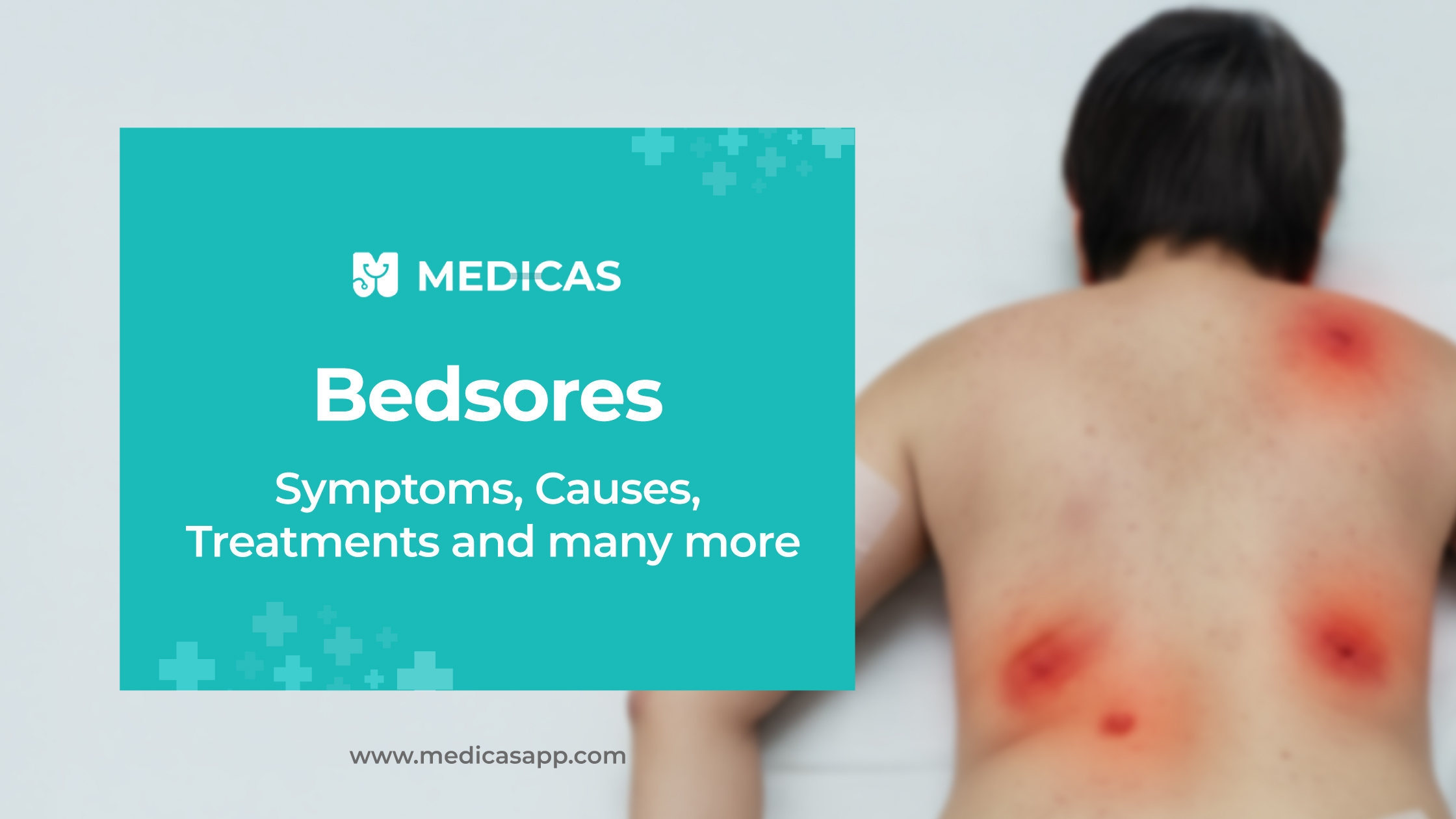
Understanding and Managing Bedsores
Bedsores, also known as pressure ulcers or decubitus ulcers, are localized injuries to the skin and underlying tissue—usually over a bony prominence—as a result of prolonged pressure. They’re a common concern, especially for individuals with limited mobility, but understanding the causes, prevention strategies, and treatment options can significantly improve outcomes. Think of it like this: your skin needs regular blood flow, just like a garden needs watering. When pressure cuts off that flow, problems can arise. Early detection and intervention are key to preventing serious complications.
Table of Contents
Common Symptoms of Bedsores
Recognizing the early signs of bedsores is crucial for timely intervention. The symptoms can vary depending on the stage of the ulcer. Initially, you might notice a patch of skin that is discolored – red in fair-skinned individuals or blue/purple in darker skin tones. The area might also feel warmer or cooler than the surrounding skin. As the bedsore progresses, it can develop into an open sore, which may be accompanied by pain. In severe cases, the ulcer can extend deep into the muscle and bone. Keep an eye out for any unusual skin changes, especially over bony areas like the heels, hips, and tailbone. Are you feeling any unusual discomfort in areas that experience prolonged pressure? This could be an early warning sign.
Major Causes of Bedsores
Bedsores are primarily caused by sustained pressure that reduces blood flow to the skin and underlying tissues. This pressure is often exacerbated by friction and shear. Think of it like a kink in a garden hose: the water (blood) can’t flow properly, causing the plants (skin and tissues) to suffer. Immobility is a major contributing factor, as it prevents individuals from shifting their weight and relieving pressure. Other causes include poor nutrition, dehydration, and medical conditions that affect blood flow, such as diabetes and vascular disease. Understanding these causes helps in implementing effective prevention strategies. Could changes in your lifestyle or medical condition be contributing to increased pressure on certain areas of your body?
Risks associated with Bedsores
The risk of developing bedsores varies depending on several factors, including mobility, overall health, and skin condition. The progression of bedsores is often categorized into stages, each with its own set of risks. Stage 1 involves non-blanchable redness of intact skin. Stage 2 presents as a partial-thickness skin loss involving the epidermis or dermis. Stage 3 involves full-thickness skin loss, where subcutaneous fat may be visible. Stage 4 is characterized by full-thickness tissue loss with exposed bone, tendon, or muscle. Each stage carries a higher risk of infection, pain, and delayed healing. Individuals with diabetes, poor circulation, or compromised immune systems are particularly vulnerable. Ignoring early signs can lead to severe complications. Early intervention is key!
Diagnosis of Bedsores
Diagnosing bedsores typically involves a visual examination of the skin, along with a review of the patient’s medical history and risk factors. A healthcare professional will assess the size, depth, and stage of the ulcer. They may also look for signs of infection, such as pus, redness, or odor. In some cases, blood tests or tissue cultures may be performed to rule out underlying medical conditions or infections. Differential diagnosis might include other skin conditions such as dermatitis or vascular ulcers. Early and accurate diagnosis is essential for developing an appropriate treatment plan. When was the last time you had a thorough skin check, especially in areas prone to pressure?
Prevention of Bedsores
Prevention is always better than cure, especially when it comes to bedsores. The cornerstone of prevention is regular repositioning to relieve pressure on vulnerable areas. This should be done at least every two hours for bedridden individuals. Using pressure-relieving support surfaces, such as special mattresses and cushions, can also significantly reduce the risk. Maintaining good skin hygiene, ensuring adequate nutrition and hydration, and managing underlying medical conditions are also crucial. Educating patients and caregivers about proper prevention techniques is paramount. Are there simple changes you can make to your daily routine to reduce pressure and protect your skin?
Common Treatment Options for Bedsores
Treatment for bedsores depends on the stage and severity of the ulcer. The primary goals of treatment are to relieve pressure, clean and dress the wound, prevent infection, and promote healing. This often involves a combination of approaches tailored to the individual’s specific needs. It is ideal to consult a doctor online or offline before you begin treatment at home.
Lifestyle Modifications for Bedsores
Lifestyle modifications play a significant role in both preventing and treating bedsores. Regular repositioning, as mentioned earlier, is crucial. Maintaining a healthy diet rich in protein, vitamins, and minerals can support the body’s healing processes. Adequate hydration is also essential. Quitting smoking, if applicable, can improve blood flow and promote faster healing. Simple adjustments to your daily routine can make a big difference. Incorporating these changes not only aids in healing but also improves overall well-being.
Medications for Bedsores
Medications may be used to manage pain, prevent or treat infections, and promote wound healing. Pain relievers, such as acetaminophen or ibuprofen, can help alleviate discomfort. Antibiotics may be prescribed if an infection is present. Topical creams and ointments containing ingredients like collagen or growth factors can help stimulate tissue repair. Consulting with a healthcare professional is essential to determine the most appropriate medications for your specific situation. Could certain medications be contributing to your skin’s vulnerability? A thorough review with your doctor can provide valuable insights.
When to See the Doctor for Bedsores
It’s important to consult a doctor or wound care specialist if you notice any signs of a bedsore, especially if the skin is broken, infected, or not healing. Early intervention can prevent the ulcer from progressing to a more severe stage. Individuals with underlying medical conditions, such as diabetes or vascular disease, should be particularly vigilant and seek prompt medical attention. If you’re unsure whether a skin change is a cause for concern, it’s always best to err on the side of caution and consult a healthcare professional. Remember, early detection and appropriate treatment can significantly improve outcomes and prevent serious complications. Don’t hesitate to Book Appointment for a consultation if you have any concerns.
Things to Consider During Treatment/Procedure
During the treatment of bedsores, several factors should be considered to ensure optimal outcomes. These include adherence to the prescribed treatment plan, proper wound care techniques, and regular monitoring for signs of infection or complications. It’s also important to manage pain effectively and maintain good nutrition and hydration. Communicating openly with your healthcare team about any concerns or changes in your condition is crucial. Consider your lifestyle and how it impacts wound healing. A holistic approach that addresses both physical and emotional well-being can promote faster and more complete recovery.
Related Articles
- Eczema: Causes, Symptoms, Diagnosis, and Treatment
- Acne: Causes, Symptoms, Diagnosis, and Treatment
- Skin Cancer: Causes, Symptoms, Diagnosis, and Treatment
- Psoriasis: Causes, Symptoms, Diagnosis, and Treatment
- Melanoma: Causes, Symptoms, Diagnosis, and Treatment
- Vitiligo: Causes, Symptoms, Diagnosis, and Treatment
- Urticaria: Causes, Symptoms, Diagnosis, and Treatment
- Rash: Causes, Symptoms, Diagnosis, and Treatment
- Dermatitis: Causes, Symptoms, Diagnosis, and Treatment
Disclaimer
The Medicas Health Library provides general health information for educational purposes only. It is not a substitute for professional medical advice, diagnosis, or treatment. Always seek the guidance of a qualified healthcare provider with any questions you may have regarding a medical condition or treatment. While we strive to keep content accurate and up to date, medical knowledge is constantly evolving, and individual circumstances may vary. Medicas does not assume responsibility for decisions made based on this information.
Frequently Asked Questions (FAQs)
- What are the early signs of a bedsore?The earliest sign is usually a patch of skin that is red (or darker than the surrounding skin), warm, or painful to the touch.
- Who is most at risk for developing bedsores?Individuals with limited mobility, such as those who are bedridden or wheelchair-bound, are at the highest risk.
- How often should I reposition someone to prevent bedsores?Repositioning should be done at least every two hours to relieve pressure on vulnerable areas.
- Can bedsores become infected?Yes, bedsores can easily become infected if not properly treated. Signs of infection include pus, redness, swelling, and fever.
- What type of dressing should I use for a bedsore?The type of dressing depends on the stage and characteristics of the ulcer. Consult with a healthcare professional for guidance.
- Is it possible to heal a bedsore at home?Early-stage bedsores can sometimes be managed at home with proper care. However, more severe ulcers require professional medical attention.
- What role does nutrition play in healing bedsores?Good nutrition, particularly a diet rich in protein, vitamins, and minerals, is essential for supporting the body’s healing processes.
- Are there any special mattresses or cushions that can help prevent bedsores?Yes, pressure-relieving support surfaces, such as foam or air mattresses and cushions, can significantly reduce the risk.
- How long does it take for a bedsore to heal?The healing time varies depending on the stage and severity of the ulcer, as well as the individual’s overall health. It can range from a few weeks to several months.
- What is the difference between a Stage 1 and a Stage 4 bedsore?A Stage 1 bedsore involves non-blanchable redness of intact skin, while a Stage 4 bedsore involves full-thickness tissue loss with exposed bone, tendon, or muscle.
- Can I use over-the-counter creams to treat bedsores?It is not advisable to use over-the-counter creams without consulting a healthcare professional, as some products may hinder healing.
- How can I tell if a bedsore is getting worse?Signs that a bedsore is worsening include increased pain, redness, swelling, pus, and foul odor. Online Doctor Consultation can provide immediate advice.
- Are bedsores contagious?Bedsores themselves are not contagious, but an infected bedsore can spread the infection to other areas of the body or to other people through direct contact.
- What is the role of debridement in treating bedsores?Debridement is the removal of dead or damaged tissue from the wound to promote healing. It may be done surgically, enzymatically, or mechanically.
- Where can I Book Lab Test to test for infection in my Bedsores?Several labs offer wound culture tests that you can easily book online.