Understanding Dental Trauma
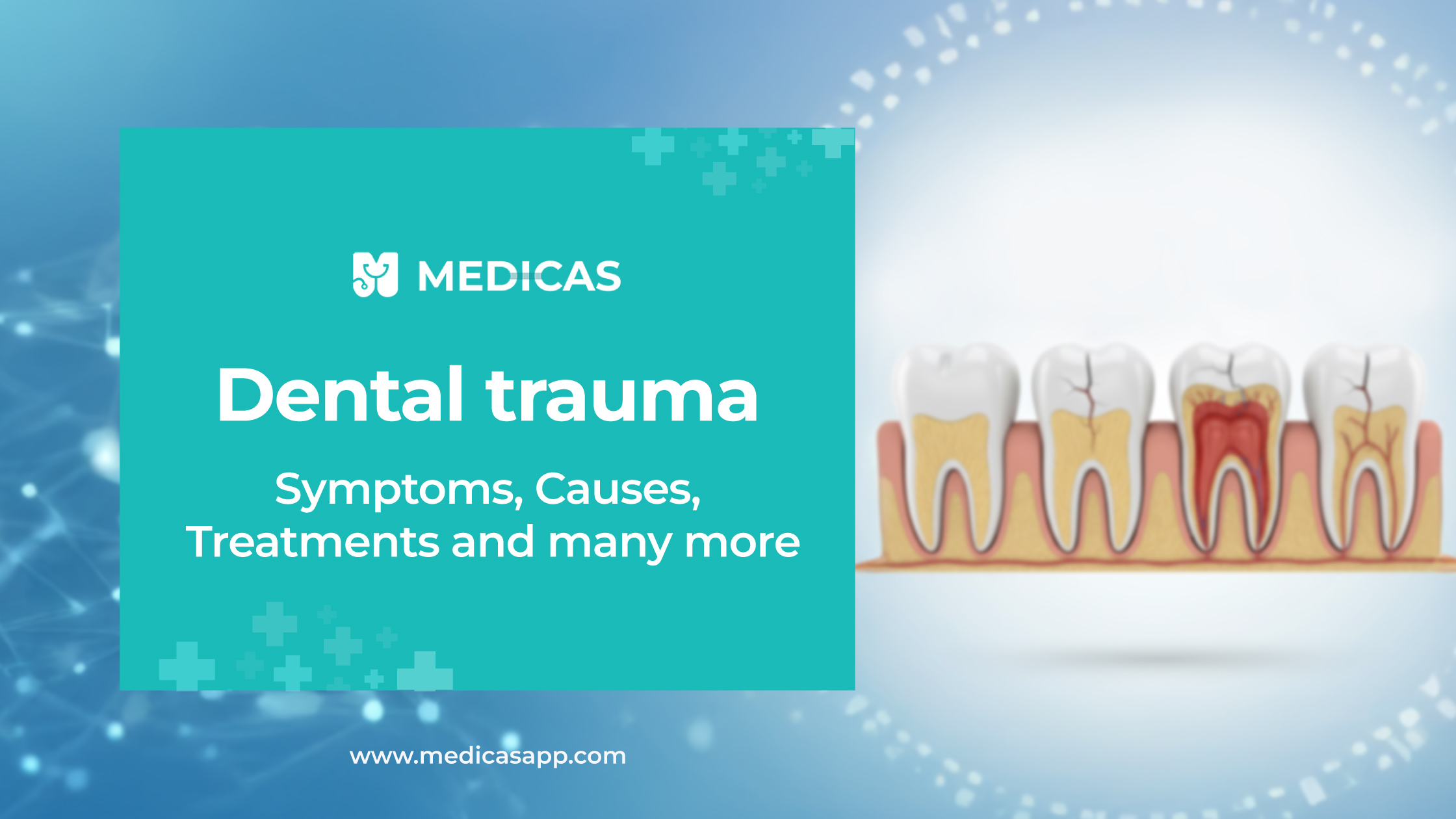
Dental trauma refers to injuries affecting the teeth, gums, and supporting structures like the jawbone. These injuries can range from minor chips and cracks to severe displacement or complete avulsion (knocked-out teeth). Dental trauma is a common occurrence, particularly among children and adolescents involved in sports, falls, or accidents. Understanding the types of dental trauma, their causes, and available treatments is crucial for prompt and effective management. Are you wondering what to do if disaster strikes your smile? Let’s dive in!
Table of Contents
Common Symptoms of Dental Trauma
The symptoms of dental trauma can vary widely depending on the nature and severity of the injury. Some common indicators include tooth pain, sensitivity to temperature or pressure, visible cracks or chips in the teeth, loose teeth, bleeding gums, swelling of the mouth or face, and difficulty chewing or speaking. In cases of tooth avulsion, the tooth may be completely knocked out of its socket. It’s important to address even seemingly minor trauma quickly; small cracks can lead to bigger problems if left untreated. Ignoring a chipped tooth is like ignoring a small leak in your roof – it will eventually cause more damage!
- Toothache
- Sensitivity to hot or cold
- Visible cracks or chips
- Loose teeth
- Bleeding gums
- Swelling
- Discoloration of teeth
Major Causes of Dental Trauma
Dental trauma can stem from a variety of causes, often related to accidents or impacts. Falls are a common culprit, particularly among young children learning to walk and older adults with balance issues. Sports-related injuries, especially in contact sports like football or basketball, can lead to significant dental damage. Car accidents are another major cause of dental trauma, often resulting in severe injuries to the face and mouth. Other potential causes include fights, accidental blows to the face, and biting down on hard objects. Even seemingly harmless habits, like chewing ice, can, over time, contribute to cracks and chips. Addressing the underlying causes, like taking precautions during sports or improving home safety, is key to prevention. If you’re an athlete, a mouthguard is your teeth’s best friend!
- Falls
- Sports injuries
- Car accidents
- Fights
- Accidental blows
- Biting on hard objects
Experiencing sudden dental pain or injury? Don’t wait—book an appointment on Medicas today to connect with qualified dentists and receive timely, expert care for dental trauma.
Risks associated with Dental Trauma
The risks associated with dental trauma extend beyond immediate pain and discomfort. Untreated dental injuries can lead to long-term complications, including tooth loss, infection, and damage to surrounding tissues. Cracked or chipped teeth are vulnerable to bacterial invasion, potentially resulting in cavities or even more serious infections that can spread to the jawbone. Displaced teeth can affect bite alignment and cause temporomandibular joint (TMJ) disorders. Moreover, the emotional and psychological impact of dental trauma should not be underestimated, as it can affect self-esteem and social interactions. Seeking prompt treatment can significantly reduce these risks and improve long-term oral health. Think of your teeth as valuable real estate – protect your investment!
The stages and risks vary depending on the type of dental trauma:
- Enamel Fracture (Chip): Risk of increased sensitivity and potential for further cracking.
- Dentin Fracture: Increased sensitivity, risk of bacterial infection reaching the pulp.
- Pulp Exposure: High risk of infection, requiring root canal treatment.
- Root Fracture: Potential for tooth loss if not treated properly.
- Tooth Intrusion/Extrusion: Damage to the periodontal ligament, potential for ankylosis (fusion of tooth to bone).
- Avulsion (Knocked-Out Tooth): Time-sensitive emergency; prompt replantation is crucial for survival.
Diagnosis of Dental Trauma
Diagnosing dental trauma typically involves a thorough clinical examination by a dentist. This includes visually assessing the teeth, gums, and surrounding tissues for signs of injury, such as cracks, chips, swelling, or bleeding. The dentist will also inquire about the circumstances of the injury and any associated symptoms. Radiographic imaging, such as X-rays, may be used to evaluate the extent of the damage and identify any hidden fractures or root injuries. Additionally, the dentist may test the tooth’s sensitivity to temperature or pressure to assess pulp vitality. A proper diagnosis is crucial for determining the appropriate treatment plan. Just like a detective solves a case, your dentist uncovers the mystery of your dental trauma!
| Diagnostic Method | Purpose | Details |
|---|---|---|
| Visual Examination | Assess visible damage | Checking for cracks, chips, swelling, and bleeding. |
| Patient History | Understand the cause of injury | Gathering information about the accident or incident. |
| Radiographic Imaging (X-rays) | Identify hidden fractures | Revealing root fractures and damage to surrounding bone. |
| Pulp Vitality Testing | Assess nerve health | Testing sensitivity to temperature or electric stimulation. |
If you need to Book Lab Test, please reach out to your dentist.
Prevention of Dental Trauma
Preventing dental trauma involves taking proactive measures to protect your teeth and mouth from injury. Wearing a mouthguard during sports activities is highly recommended, especially for contact sports. Using seatbelts while driving can significantly reduce the risk of dental trauma in car accidents. Childproofing your home can minimize the risk of falls among young children. Avoiding biting on hard objects and refraining from using your teeth as tools can also help prevent damage. Regular dental check-ups can identify potential vulnerabilities and allow for early intervention. Being mindful of your oral habits and surroundings can go a long way in preventing dental trauma. Think of prevention as your dental armor – it’s always better to be prepared!
- Wear a mouthguard during sports.
- Use seatbelts in vehicles.
- Childproof your home.
- Avoid biting on hard objects.
- Regular dental check-ups.
Common Treatment Options for Dental Trauma
The treatment for dental trauma depends on the type and severity of the injury. Minor chips and cracks may be repaired with dental bonding or fillings. More severe fractures may require a crown or root canal treatment. Displaced teeth may need to be repositioned and stabilized with splinting. In cases of tooth avulsion, prompt replantation is crucial for the tooth’s survival; if the tooth is properly preserved and replanted within an hour, the chances of success are significantly higher. If replantation is not possible, a dental implant or bridge may be considered as a replacement option. Online Doctor Consultation can help you understand which treatment option is best for you. Treatment is like putting the pieces of a puzzle back together – restoring your smile to its former glory!
Lifestyle Modifications for Dental Trauma
Following dental trauma, certain lifestyle modifications can aid in the healing process and prevent further injury. Soft foods are often recommended to minimize stress on the injured teeth. Avoiding hard or sticky foods can also help prevent further damage. Maintaining good oral hygiene is essential to prevent infection. Using a soft-bristled toothbrush and gently cleaning the affected area can promote healing. Quitting smoking is also beneficial, as smoking can impair healing and increase the risk of complications. Remember, your daily habits play a big role in your dental recovery!
Medications for Dental Trauma
Depending on the nature and severity of the dental trauma, certain medications may be prescribed to manage pain and prevent infection. Over-the-counter pain relievers, such as ibuprofen or acetaminophen, can help alleviate discomfort. In some cases, stronger prescription pain medications may be necessary. Antibiotics may be prescribed to prevent or treat bacterial infections, particularly if there is pulp exposure or significant tissue damage. Following your dentist’s instructions regarding medication use is crucial for optimal healing. Think of medications as your recovery allies – helping you conquer pain and infection!
When to See the Doctor for Dental Trauma
Prompt dental care is essential following any type of dental trauma. Even seemingly minor injuries should be evaluated by a dentist to rule out hidden damage and prevent potential complications. If you experience severe pain, bleeding, swelling, or loose teeth, seek immediate dental attention. In cases of tooth avulsion, time is of the essence; the sooner the tooth is replanted, the better the chances of success. Delaying treatment can lead to more serious problems, such as infection, tooth loss, and long-term bite problems. Don’t wait – your smile deserves immediate care!
- Severe pain
- Bleeding
- Swelling
- Loose teeth
- Knocked-out tooth
- Visible cracks or chips
Things to Consider During the Treatment/Procedure of Dental Trauma
Before undergoing any treatment for dental trauma, it’s important to discuss your options and concerns with your dentist. Ask about the potential risks and benefits of each treatment approach, as well as the expected recovery time. Understand the costs involved and explore available payment options or insurance coverage. Consider the long-term implications of the treatment on your oral health and overall well-being. Don’t hesitate to ask questions and seek clarification to ensure you’re making informed decisions. Your comfort and confidence are paramount!
- Discuss treatment options with your dentist
- Understand the risks and benefits
- Know the recovery time
- Understand the costs
- Consider long-term implications
Frequently Asked Questions (FAQs)
- What should I do if my tooth gets knocked out?Handle the tooth by the crown (the part you see in your mouth), rinse it gently with water (do not scrub), and try to replant it in the socket. If you can’t replant it, store it in milk or saliva and see a dentist immediately.
- How long do I have to replant a knocked-out tooth?Ideally, a knocked-out tooth should be replanted within 30 minutes to an hour for the best chance of survival.
- Can a chipped tooth be fixed?Yes, a chipped tooth can often be repaired with dental bonding, fillings, or veneers, depending on the severity of the chip.
- What is dental bonding?Dental bonding involves applying a tooth-colored resin material to the tooth surface to repair chips, cracks, or discoloration.
- How can I protect my teeth during sports?Wearing a custom-fitted mouthguard during sports activities can significantly reduce the risk of dental trauma.
- Is a mouthguard necessary for non-contact sports?While mouthguards are especially important for contact sports, they can also provide protection during non-contact sports where accidental impacts may occur.
- What is the cost of treating dental trauma?The cost of treating dental trauma varies depending on the type and severity of the injury, as well as the specific treatment required. Consult with your dentist for a detailed estimate.
- Can dental trauma cause long-term problems?Yes, untreated dental trauma can lead to long-term complications, such as tooth loss, infection, bite problems, and TMJ disorders.
- How can I prevent dental trauma at home?Childproofing your home, avoiding biting on hard objects, and using caution when engaging in activities that could lead to falls or accidents can help prevent dental trauma.
- What is pulp exposure, and why is it a concern?Pulp exposure occurs when the inner pulp of the tooth, containing nerves and blood vessels, is exposed due to a fracture. This can lead to infection and requires prompt treatment.
- Will my tooth be sensitive after dental trauma?It’s common to experience sensitivity to temperature or pressure following dental trauma. This sensitivity usually subsides with treatment and healing.
- What are the signs of a tooth infection?Signs of a tooth infection include persistent pain, swelling, redness, pus, and fever. Seek immediate dental attention if you suspect a tooth infection.
- Can a root canal save a traumatized tooth?Yes, a root canal can often save a traumatized tooth by removing the infected or damaged pulp and sealing the tooth to prevent further infection.
- What is splinting, and when is it used?Splinting involves stabilizing a loose or displaced tooth by bonding it to adjacent teeth. It is often used to promote healing and prevent further movement.
- How often should I have dental check-ups?Regular dental check-ups are recommended every six months to monitor your oral health and identify any potential problems early on.
Related Articles
Disclaimer
The Medicas Health Library provides general health information for educational purposes only. It is not a substitute for professional medical advice, diagnosis, or treatment. Always seek the guidance of a qualified healthcare provider with any questions you may have regarding a medical condition or treatment. While we strive to keep content accurate and up to date, medical knowledge is constantly evolving, and individual circumstances may vary. Medicas does not assume responsibility for decisions made based on this information.