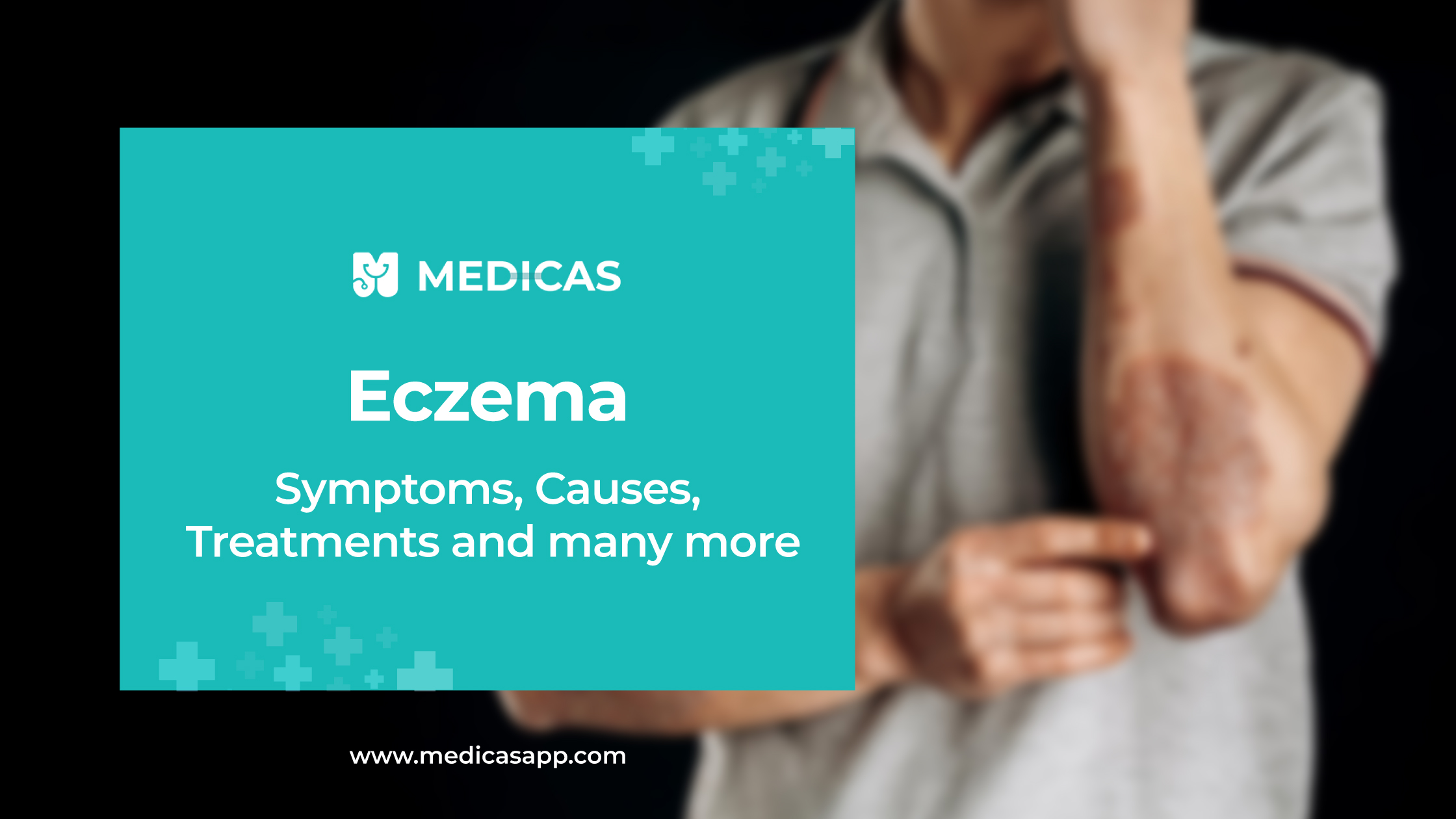
Eczema, also known as atopic dermatitis, is a chronic inflammatory skin condition affecting millions worldwide. Characterized by itchy, dry, and inflamed skin, eczema can significantly impact quality of life. Imagine your skin constantly feeling like it’s under attack – that’s often the reality for those living with eczema. While there’s no cure, effective management strategies can help control symptoms and improve skin health. Let’s delve into understanding eczema, its triggers, and how to manage it effectively. It’s not just a rash; it’s a complex condition that requires a holistic approach.
Table of Contents
Common Symptoms of Eczema
Eczema symptoms can vary from person to person and may fluctuate in intensity. The most common symptom is intense itching, which can be particularly bothersome at night. Other symptoms include dry, cracked, and scaly skin, small raised bumps that may leak fluid and crust over, thickened, leathery skin (lichenification) from prolonged scratching, and raw, sensitive skin from scratching. These symptoms can appear anywhere on the body, but are commonly found on the hands, feet, ankles, wrists, neck, upper chest, eyelids, and face. In infants, eczema often affects the scalp and face. Think of it as your skin throwing a tantrum – red, itchy, and utterly uncomfortable.
- Intense itching (pruritus)
- Dry, cracked skin
- Scaly patches
- Small, raised bumps
- Thickened, leathery skin (lichenification)
- Raw, sensitive skin
Major Causes of Eczema
The exact cause of eczema isn’t fully understood, but it’s believed to be a combination of genetic and environmental factors. Individuals with a family history of eczema, allergies, or asthma are more likely to develop the condition. Environmental triggers, such as irritants (soaps, detergents, fragrances), allergens (pollen, pet dander, dust mites), infections, stress, and temperature changes, can also exacerbate eczema symptoms. A dysfunctional skin barrier, which allows moisture to escape and irritants to enter, is a key feature of eczema. It’s like your skin’s security system has a major flaw, letting in all sorts of troublemakers.
- Genetic predisposition
- Environmental irritants (soaps, detergents, fragrances)
- Allergens (pollen, pet dander, dust mites)
- Infections
- Stress
- Temperature changes
- Dysfunctional skin barrier
Risks associated with Eczema
Eczema can present different risks depending on the stage and severity. In mild cases, the primary risk is discomfort from itching and dry skin. Moderate to severe eczema can lead to secondary skin infections from scratching, sleep disturbances due to intense itching, and psychosocial effects such as anxiety and depression. Chronic scratching can also cause permanent skin changes, such as thickening and discoloration. In infants and children, eczema can sometimes interfere with growth and development. It’s a bit like a snowball effect – the initial discomfort can lead to a cascade of other problems.
| Stage/Severity | Risks |
|---|---|
| Mild | Discomfort from itching and dry skin |
| Moderate to Severe | Secondary skin infections, sleep disturbances, psychosocial effects |
| Chronic | Permanent skin changes (thickening, discoloration) |
| Infants/Children | Potential interference with growth and development |
Diagnosis of Eczema
Eczema is typically diagnosed through a physical examination and review of the patient’s medical history. A dermatologist will assess the appearance and distribution of the rash, inquire about symptoms, and ask about potential triggers and family history. In some cases, allergy testing (skin prick tests or blood tests) may be performed to identify specific allergens that are contributing to the eczema. Skin biopsies are rarely necessary but may be done to rule out other skin conditions. Diagnosing eczema is like detective work – piecing together clues to identify the culprit.
- Physical examination
- Review of medical history
- Assessment of rash appearance and distribution
- Allergy testing (skin prick tests, blood tests)
- Rarely, skin biopsy
Prevention of Eczema
While eczema cannot always be prevented, there are several strategies to minimize flare-ups. Keeping the skin well-hydrated by moisturizing regularly, especially after bathing, is crucial. Identifying and avoiding known triggers, such as irritants and allergens, can also help. Using gentle, fragrance-free cleansers and detergents is recommended. Managing stress, avoiding extreme temperature changes, and wearing soft, breathable clothing can further reduce the risk of eczema flare-ups. Think of these measures as building a protective shield around your skin.
- Moisturize regularly
- Identify and avoid triggers
- Use gentle, fragrance-free cleansers and detergents
- Manage stress
- Avoid extreme temperature changes
- Wear soft, breathable clothing
Common Treatment Options for Eczema
Eczema treatment aims to relieve symptoms, reduce inflammation, and prevent flare-ups. Treatment options vary depending on the severity of the eczema and may include lifestyle modifications, topical medications, phototherapy, and systemic medications. A personalized treatment plan, developed in consultation with a dermatologist, is essential for effective eczema management. It’s about finding the right combination of tools to keep your skin happy and healthy.
Lifestyle Modifications
Lifestyle modifications play a significant role in managing eczema. These include regular moisturizing with emollients, avoiding known triggers, taking lukewarm baths or showers, and using gentle, fragrance-free skin care products. Wet wrap therapy, which involves applying a moisturizer followed by a layer of damp cloth, can also provide relief. Consider it a daily ritual of self-care for your skin.
Medications for Eczema
Various medications are available to treat eczema. Topical corticosteroids are commonly used to reduce inflammation and itching. Topical calcineurin inhibitors, such as tacrolimus and pimecrolimus, are alternatives to corticosteroids and are often used for long-term management. In severe cases, systemic medications, such as oral corticosteroids or immunosuppressants, may be prescribed. For more information on treatment, consider an Online Doctor Consultation. Your dermatologist can tailor a treatment plan specifically for you.
When to See the Doctor for Eczema
It’s important to see a doctor if eczema symptoms are severe, widespread, or not responding to over-the-counter treatments. Signs of skin infection, such as pus, crusting, or fever, warrant immediate medical attention. Additionally, if eczema is significantly impacting your quality of life or interfering with sleep, seeking professional help is recommended. Don’t hesitate to reach out – your skin (and your sanity) will thank you.
- Severe or widespread symptoms
- Symptoms not responding to over-the-counter treatments
- Signs of skin infection (pus, crusting, fever)
- Significant impact on quality of life
- Interference with sleep
Things to Consider During Treatment/Procedure
During eczema treatment, it’s crucial to adhere to the prescribed treatment plan and follow your doctor’s instructions carefully. Be patient, as it may take time to find the most effective treatment regimen. Monitor your skin for any adverse reactions to medications and report them to your doctor promptly. Maintain good skin hygiene and avoid scratching. Consider exploring stress management techniques, such as meditation or yoga, to help reduce flare-ups. It’s a marathon, not a sprint – consistency and self-awareness are key.
Related Articles
Disclaimer
The Medicas Health Library provides general health information for educational purposes only. It is not a substitute for professional medical advice, diagnosis, or treatment. Always seek the guidance of a qualified healthcare provider with any questions you may have regarding a medical condition or treatment. While we strive to keep content accurate and up to date, medical knowledge is constantly evolving, and individual circumstances may vary. Medicas does not assume responsibility for decisions made based on this information.
Frequently Asked Questions (FAQs)
-
What is the difference between eczema and psoriasis?
Eczema and psoriasis are both chronic skin conditions, but they have different causes and symptoms. Eczema is often characterized by intense itching and dry, inflamed skin, while psoriasis typically presents as thick, scaly plaques. A dermatologist can accurately diagnose and differentiate between the two conditions.
-
Can eczema be cured?
There is currently no cure for eczema, but symptoms can be effectively managed with a combination of treatments and lifestyle modifications.
-
Are there any dietary changes that can help with eczema?
Some people with eczema find that certain foods trigger their symptoms. Common triggers include dairy, eggs, nuts, and soy. Keeping a food diary and working with a healthcare professional can help identify potential dietary triggers.
-
Is eczema contagious?
No, eczema is not contagious. It is a chronic inflammatory skin condition that is not caused by an infection.
-
Can stress cause eczema flare-ups?
Yes, stress can be a significant trigger for eczema flare-ups. Managing stress through relaxation techniques, exercise, and mindfulness can help reduce the frequency and severity of flare-ups.
-
Are natural remedies effective for treating eczema?
Some natural remedies, such as coconut oil and oatmeal baths, may provide relief from eczema symptoms. However, it’s important to talk to your doctor before trying any new treatments, as some natural remedies can cause allergic reactions or interact with medications. For further assistance, you can always Book Lab Test online.
-
What type of clothing is best for people with eczema?
Soft, breathable fabrics like cotton are best for people with eczema. Avoid wearing wool or synthetic fabrics, as they can irritate the skin.
-
How often should I moisturize my skin if I have eczema?
You should moisturize your skin at least twice a day, especially after bathing. Choose a fragrance-free, hypoallergenic moisturizer.
-
Can eczema affect my eyes?
Yes, eczema can affect the skin around your eyes, causing itching, redness, and swelling. This is called atopic dermatitis of the eyelids. See a doctor for treatment.
-
Is it safe to use topical steroids long-term?
Long-term use of topical steroids can cause side effects, such as thinning of the skin. Talk to your doctor about the risks and benefits of long-term steroid use.
-
Can babies get eczema?
Yes, eczema often starts in infancy. The symptoms include a rash on the face, scalp, and body.
-
Does scratching make eczema worse?
Yes! Scratching can make Eczema worse and is the primary culprit. Scratching an itch can lead to more inflammation.
-
Can climate affect Eczema?
Yes, it can! Very hot or very cold weather can cause flare-ups.
-
Can swimming worsen Eczema?
Chlorine and salt water can be bad for your skin. Showering after you swim and moisturizing may alleviate any problems.
-
Is Eczema hereditary?
Yes. Eczema does seem to run in families and it has a genetic component. If family members have it, you may have a greater chance of getting it.