Did you know that one in three women may experience an endocrine disorder during their lifetime? The endocrine system regulates hormones that control metabolism, fertility, mood, and growth. But when these finely tuned glands malfunction, women face a range of health challenges, from irregular periods to infertility, weight fluctuations, and even chronic conditions like diabetes.
So, what exactly is an endocrine disorder, and why are women more affected than men? Women are particularly vulnerable due to significant hormonal shifts during puberty, pregnancy, and menopause. To prevent the problem and lead a healthy lifestyle, it is necessary to learn about the most common endocrine disorders and their effects to achieve early diagnosis, improved management, and healthier living.
What is the Endocrine System?
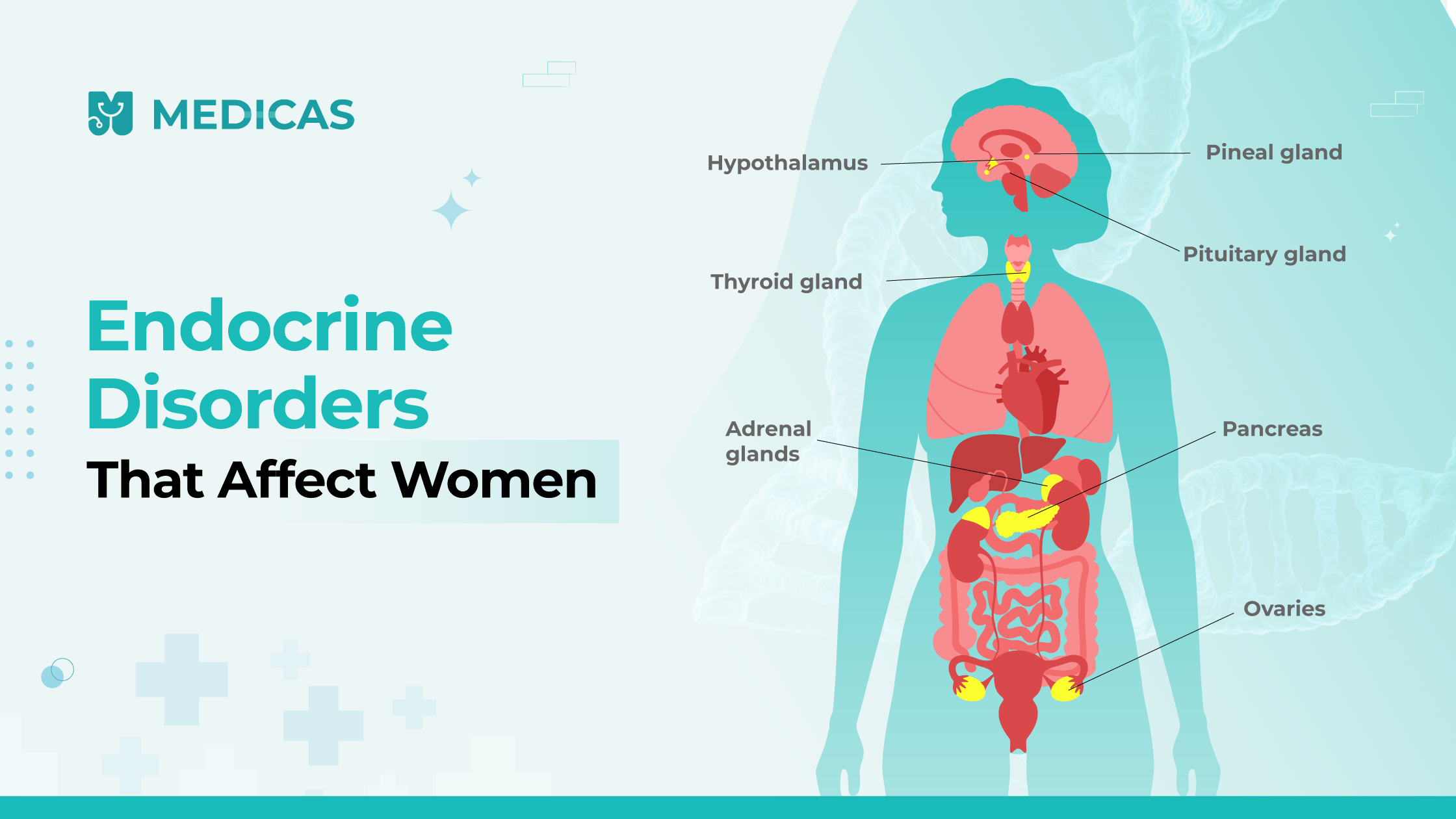
The endocrine system is a network of glands that produce hormones regulating critical body functions, including reproduction, energy balance, stress response, and metabolism. When glands like the thyroid, pituitary, or ovaries don’t function properly, they cause endocrine gland disorders that disrupt daily health.
Abnormalities in the level of hormones can present themselves in terms of unexplained tiredness, prolonged menstruation, weight gain or weight loss, mood swings, or difficulty in getting pregnant. The identification of what are some common endocrine disorders contributes to the early intervention of a woman in need of an endocrinologist.
Also Read: A Journey Toward Parenthood: Understanding Female Infertility
How Endocrine Disorders Impact Women’s Health
Endocrine-associated disorders can have adverse effects on the overall health of women. Estrogen, progesterone, and thyroid hormones are extremely important to reproductive health, bone strength, and emotional balance. When interfered with, they can result in:
- Infertility or difficulty conceiving
- Irregular or painful menstrual cycles
- Mood changes, depression, or anxiety
- Weight gain or sudden weight loss
- Increased risk of osteoporosis and heart disease
The major endocrine disorders not only impact physical health but also emotional well-being and quality of life. If you are experiencing these symptoms, Book an Appointment with a specialist on Medicas for timely care and treatment.
Common Endocrine Disorders in Women
Polycystic Ovary Syndrome (PCOS)
PCOS is a widespread endocrine condition among women of reproductive age. It causes changes in periods and growth of more hair, acne, and weight gain. Additionally, it puts one at risk of infertility and health problems such as diabetes in the long run.
Thyroid Disorders (Hypothyroidism & Hyperthyroidism)
The thyroid throttles down metabolism. The thyroid gland is associated with hypothyroidism and hyperthyroidism: the first one promotes fatigue, weight gain, and depression; the latter results in a loss of weight, anxiety, and a fast heartbeat. They are endocrine-related disorders that, in most cases, involve lifelong treatment.
Diabetes and Its Impact on Women
Diabetes is one of the key endocrine diseases that are associated with the pancreas. Diabetes among women poses increased risks of cardiovascular disease, reproductive problems, and pregnancy problems, hence one of the scariest types of endocrine disorders.
Adrenal Gland Disorders (Addison’s Disease, Cushing’s Syndrome)
Stress hormones are made in the adrenal glands. Addison’s disease produces fatigue, low blood pressure, and loss of weight, whereas Cushing syndrome leads to gaining weight, mood swings, and an increase in blood pressure. They are severe diseases of the endocrine glands, in both cases being rare.
Pituitary Gland Disorders
As the “master gland,” the pituitary also governs other hormones. Disorders that occur here can lead to infertility, abnormal growth, or irregular menstrual periods, making it important to include the endocrine disorder chart.
Menopause and Hormonal Imbalances
Natural as it is, menopause is also an endocrine-related disorder characterized by a fall in the estrogens. It causes hot flashes, sleep disturbances, mood changes, and the loss of bone, and they all demand lifestyle modifications or therapies.
Symptoms of Endocrine Disorders in Women
Recognizing symptoms of endocrine disorders can prevent complications. Watch out for:
- Irregular or absent periods
- Unexplained weight gain or loss
- Mood disturbances
- Persistent fatigue
- Infertility or miscarriage
- Hair loss or excessive hair growth
Identifying early signs of endocrine problems ensures better management. If you notice these symptoms, Consult Now on Medicas to connect with top specialists and get timely care.
Also Read: UTI Symptoms in Women: What you Shouldn’t Ignore
How Endocrine Disorders Affect Fertility and Pregnancy
Hormonal imbalances cause interference with ovulation, the quality of eggs, and the uterus. Women having thyroid diseases, PCOS, or diabetes find conception and pregnancy to be a difficult task. Stress hormones can negatively impact fertility, making it essential to prioritize the treatment of endocrine disorders when addressing reproductive health and fertility challenges.
Also Read: Infertility Counselling: How It Supports Your Emotional and Mental Health
Diagnosis and Treatment Options for Endocrine Disorders
Diagnosis begins with blood tests, imaging scans, and hormone profiling. Treatments depend on the type of disorder:
- PCOS: Lifestyle changes, medications, and fertility treatments
- Thyroid disorders: Hormone replacement or anti-thyroid drugs
- Diabetes: Diet, insulin, or oral medications
- Adrenal & pituitary disorders: Hormone therapy, surgery, or medication
The right treatment of endocrine disorders ensures long-term control and a better quality of life.
Also Read: Thyroid in Women After 30
Lifestyle Tips for Managing Endocrine Health
- Maintain a balanced diet rich in whole grains, vegetables, and lean protein.
- Exercise regularly to balance insulin and stress hormones
- Practice mindfulness and stress reduction techniques
- Avoid smoking and limit alcohol
- Get regular checkups and screenings
When to See an Endocrinologist
Seek medical help if you notice:
- Irregular cycles or infertility
- Persistent weight fluctuations
- Sudden changes in energy or mood
- Family history of endocrine-related disorders
A specialist can help identify various endocrine disorders and offer personalized treatment plans tailored to an individual’s specific needs. For further guidance, Consult Me directly on Medicas.
Conclusion
Women experience endocrine disorders differently as compared to men. Whether it is PCOS and thyroid complications, menopause and diabetes, hormonal issues have a serious impact on fertility and pregnancy, not to mention general health. Knowledge of what constitutes a disorder of the endocrine system and timely treatment can help one avoid the long-term complications.
A healthy lifestyle, periodic screening, and a visit to an endocrinologist in case of symptoms appearing will provide more control over such disorders related to the endocrine system. Women can maintain and enhance the quality of their lives by remaining knowledgeable and proactive towards their well-being in the long run.
Frequently Asked Questions (FAQs)
What are the endocrine disorders of menstruation?
Endocrine disorders of menstruation include PCOS, thyroid dysfunction, pituitary gland disorders, and adrenal imbalances. These conditions disrupt hormone regulation, causing irregular periods, heavy bleeding, infertility, and other menstrual irregularities.
Can lifestyle changes help manage endocrine disorders?
Yes, lifestyle changes such as maintaining a balanced diet, regular exercise, stress management, and adequate sleep can significantly help regulate hormones, reduce symptoms, and improve overall management of endocrine disorders.
Is PCOS an endocrine disorder?
Yes, PCOS is classified as one of the most common endocrine disorders in women. It affects ovarian hormone production, leading to irregular periods, infertility, acne, and metabolic complications.
Which endocrine gland is present in females?
Several endocrine glands are present in females, including the ovaries, thyroid, pituitary, adrenal, and pancreas. These glands regulate hormones controlling menstruation, fertility, metabolism, stress response, and overall reproductive health.
Can stress lead to endocrine-related disorders?
Yes, chronic stress disrupts cortisol and adrenaline regulation, affecting the endocrine system. It may contribute to thyroid imbalance, menstrual irregularities, infertility, and even increase the risk of diabetes and adrenal disorders.
Disclaimer
Medical Advice: The information provided in this blog post is for educational purposes only and should not be considered as a substitute for professional medical advice, diagnosis, or treatment. Always consult with a qualified healthcare professional for personalized guidance regarding your specific medical condition.
Accuracy of Information: While we strive to provide accurate and up-to-date information, the field of medicine and viral fevers is constantly evolving. The content in this blog post may not reflect the most current research or medical guidelines. Therefore, it is advisable to cross-check any information provided with reliable sources or consult a healthcare professional.
Individual Variations: The symptoms, causes, treatment options, and preventive measures discussed in this blog post are general in nature and may not apply to everyone. It is important to remember that each individual’s situation is unique, and personalized medical advice should be sought when making healthcare decisions.
External Links: This blog post may contain links to external websites or resources for additional information. However, we do not endorse or have control over the content of these third-party websites. Accessing these links is done at your own risk, and we are not responsible for any consequences or damages that may arise from visiting these external sources.
Results May Vary: The effectiveness of treatment options or preventive measures mentioned in this blog post may vary from person to person. What works for one individual may not work the same way for another. It is essential to consult with a healthcare professional for personalized advice tailored to your specific needs